





The Rise of Refined Oils
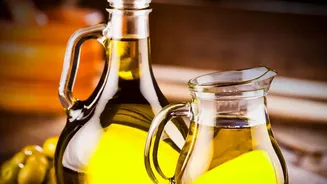
For decades, refined oils have been a staple in Indian households. Their popularity stems from a few key factors: a neutral taste that doesn't interfere with the flavour of spices, a high smoke point suitable for deep frying, and an affordable price point.
The refining process involves treating crude oil with chemicals, high heat, bleaching, and deodorising. This industrial method strips away impurities, resulting in a clear, stable oil with a long shelf life. However, this very process is now a growing source of concern for health-conscious consumers.
Why the Worry About Refining?
The primary concern with refined oils lies in what's lost—and potentially gained—during processing. The high heat and chemical treatments can strip the oil of its natural nutrients, vitamins, and antioxidants. What's left is often a calorie-dense product with little nutritional value. Furthermore, the process can create unhealthy byproducts. Heating oils to very high temperatures can lead to the formation of trans fats and free radicals, which are unstable molecules linked to cellular damage and chronic inflammation. Some health experts warn that long-term consumption of these oils could be associated with an increased risk of heart disease, insulin resistance, and other metabolic disorders.
Enter Cold-Pressed Sesame Oil
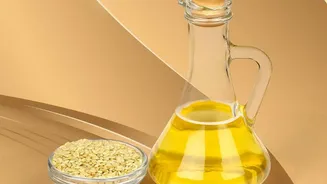
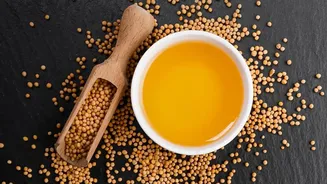
In response to these concerns, many are turning back to traditional methods, with cold-pressed sesame oil emerging as a favoured alternative. Known as 'til ka tel' or 'gingelly oil', it has been a part of Indian cooking and Ayurvedic practices for thousands of years. The cold-pressing method is purely mechanical; seeds are simply crushed under pressure to extract the oil, without the use of high heat or chemical solvents. This gentle process ensures that the oil retains its natural flavour, aroma, and, most importantly, its nutritional integrity.
The Nutritional Advantage
Cold-pressed sesame oil is a nutritional powerhouse compared to its refined counterpart. It is rich in heart-healthy monounsaturated and polyunsaturated fats, which can help manage cholesterol levels. Crucially, it retains potent antioxidants like sesamol and sesamin, along with Vitamin E, which are largely lost during the refining process. These antioxidants help combat oxidative stress in the body. The rich, nutty flavour of cold-pressed sesame oil also enhances dishes, a characteristic that is intentionally removed from neutral-tasting refined oils.
Practical Kitchen Considerations
Making the switch involves a few practical adjustments. Cold-pressed oils are generally more expensive due to their lower yield and less industrialised production process. Another key difference is the smoke point. Refined oils typically have a higher smoke point, making them suitable for high-heat frying. Unrefined sesame oil has a more moderate smoke point, making it ideal for tempering (tadka), sautéing, stir-frying, and as a flavourful finishing oil for dals, chutneys, and salads. While it can be used for frying, it's best to avoid prolonged exposure to very high temperatures to preserve its nutritional benefits.