







The New Economics of Entertainment
The most significant change driven by streaming is the straightforward math. For the cost of a single movie outing for two in a metropolitan multiplex—which can range from ₹600 to well over ₹1,400 for tickets alone—a person can subscribe to multiple OTT
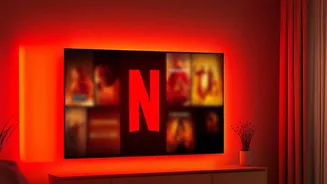
(over-the-top) platforms for a month. With the country's booming OTT market driven by affordable data and high smartphone penetration, platforms like JioHotstar, Netflix, and Amazon Prime Video have become staples. A study of Gen Z spending habits revealed that while entertainment subscriptions are a consistent part of their budget, they are integrated into a larger pool of recurring digital payments. This transforms movie-watching from a 'per-event' expense into a low-cost, predictable utility. Young consumers, conscious of their spending, now weigh the high, one-time cost of a theatre visit against the vast library available for a flat monthly fee.
Convenience is King
Beyond cost, accessibility has fundamentally altered viewing habits. The ability to watch content anytime, anywhere, on any device aligns perfectly with the dynamic lifestyles of young adults. This on-demand culture has fueled the 'binge-watching' trend, where entire seasons are consumed in a few sittings, a behavior that traditional cinema cannot accommodate. For many, the effort of traveling to a theatre, coordinating showtimes, and sitting through ads and intermissions now seems cumbersome compared to the instant gratification of streaming. This convenience factor means that OTT is no longer just an alternative; for a significant portion of content, it has become the default choice. Studies show that Indian youth spend a considerable amount of time on online video content, far exceeding global averages, cementing the role of streaming as a primary source of entertainment.
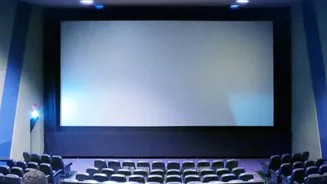
The Theatre as a Premium Event
Despite the gravitational pull of streaming, the cinema is far from obsolete. Instead, its role has been elevated. Young audiences are now more selective, reserving theatrical outings for films that promise a genuine spectacle. Large-scale action films, visually stunning epics, and major franchise releases are seen as 'event films' worth the premium price. The success of pan-Indian blockbusters like 'RRR' and other high-grossing hits underscores this trend, proving that when a movie offers an experience that a home setup cannot replicate, audiences will show up. The industry has responded by doubling down on a theatre-first release strategy, with an eight-week window becoming standard before a film moves to OTT. This delay reinforces the theatre's position as the premier viewing experience and leverages box office success to build hype for the eventual streaming release.
A New Content Divide
This shift has created a clear divide in how content is perceived and valued. Large-budget, star-driven spectacles are designated for the big screen, while smaller, story-driven films, dramas, and niche content often find a more sustainable audience on streaming platforms. A FICCI-EY report noted a sharp decline in films premiering directly on digital platforms, while the number of films releasing in theatres first has increased. This suggests that the industry is learning to cater to two distinct appetites. Young viewers are making a calculated decision: is this story big enough for a theatre, or is it better suited for a casual weeknight watch at home? As a result, films with strong word-of-mouth and compelling narratives, such as '12th Fail' or 'Laapataa Ladies', can still draw crowds, proving that content, not just scale, remains a crucial factor.