
The Modern Shag Cut
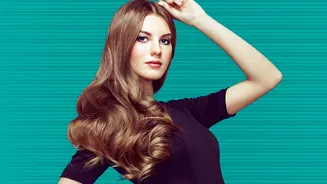
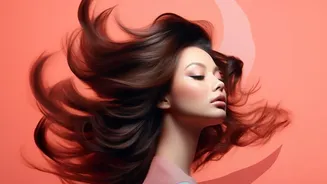
The shag is arguably the defining haircut of the 1970s, and its modern revival is all about wearability. A great shag haircut adds texture, creates volume, and shapes your face beautifully. Unlike the extreme versions of the past, today’s shag is softer
and more blended. It’s characterized by choppy layers, especially around the crown, and works on nearly every hair type—from straight to curly. The key to making it easy is the cut itself; a well-executed shag should be low-maintenance. For wavy or curly hair, simply scrunch in a curl cream or mousse and let it air-dry to enhance your natural texture. For straighter types, a bit of texturizing spray is all you need to bring out the layers and achieve that effortlessly undone look.
Effortless Curtain Bangs
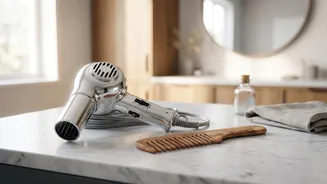
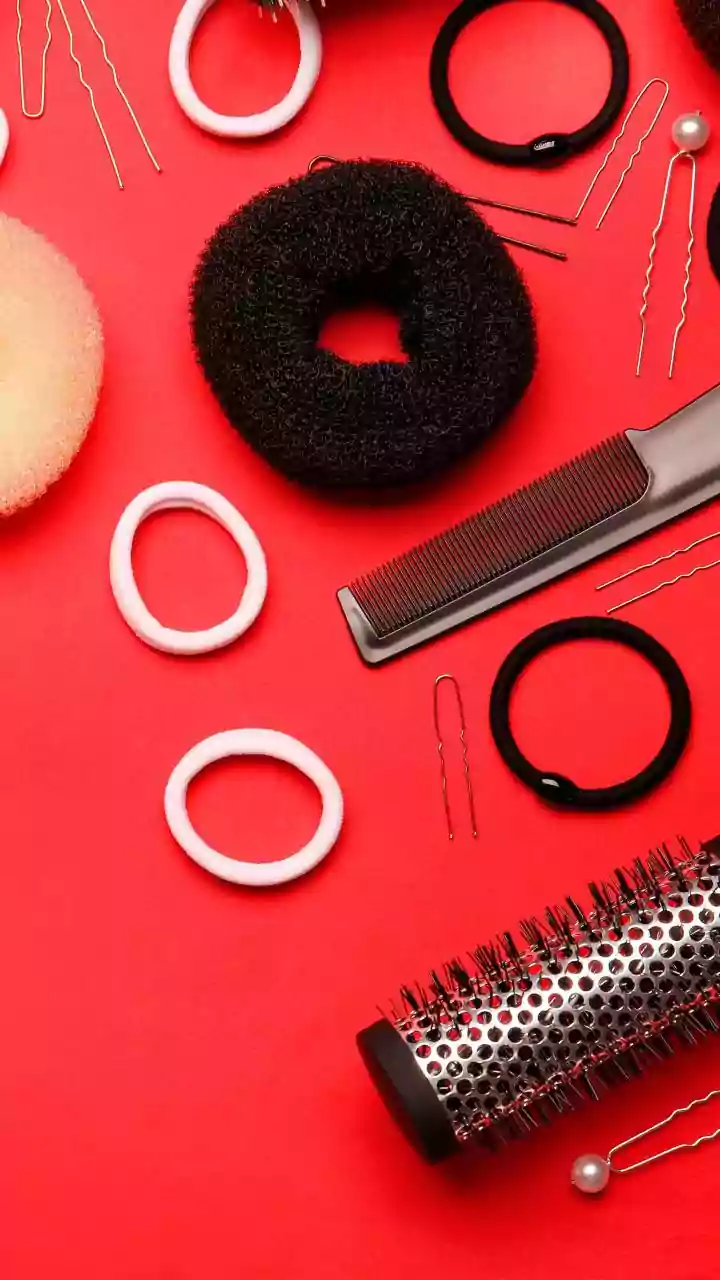
If you want a nod to the '70s without a dramatic change, curtain bangs are your answer. This face-framing fringe, parted in the middle, became popular for its soft, approachable alternative to blunt bangs. They highlight your cheekbones and can be adapted to any hair length or texture. Their modern appeal lies in their versatility; they look just as good with air-dried waves as they do with a polished blowout. Styling is simpler than it looks. A quick blast with a blow-dryer and a round brush, sweeping the bangs up and away from the face, is often enough to give them their signature shape. On days you’re short on time, they beautifully frame the face even when the rest of your hair is pulled back into a ponytail.
The Simplified Farrah Fawcett Flick
No discussion of '70s hair is complete without mentioning Farrah Fawcett's iconic feathered flip. While the original was a masterpiece of high-maintenance styling, you can achieve a similar vibe with much less effort. The modern take focuses on creating that signature flick away from the face, rather than recreating the entire voluminous style. Start with a center part. Use a large-barrel curling iron or a hot air brush on the front sections of your hair, curling the strands outward and away from your face. You don’t need to set your whole head in rollers; concentrating on the bangs and the layers framing your face will give you that recognizable 'Angel' wing effect. A spritz of volumizing spray at the roots will add a bit of lift, capturing the spirit of the style without the hours of work.
Embracing the Natural Afro
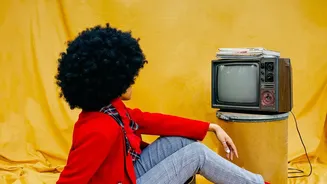
The 1970s was a pivotal decade for Black hair, with the Afro becoming a powerful symbol of pride, identity, and the 'Black is Beautiful' movement. This style celebrated natural hair texture in its full, rounded, and voluminous glory. Today, embracing the Afro is about celebrating your unique curl pattern with a focus on hair health. Modern care involves using moisturizing products to keep coils hydrated and defined. An Afro puff is a simple and stylish adaptation that captures the '70s vibe. Getting a great shape from a stylist who understands curly hair is essential, but daily maintenance is about using picks for volume and shape, and products that enhance, rather than fight, your natural texture.
Bohemian Centre-Parted Hair
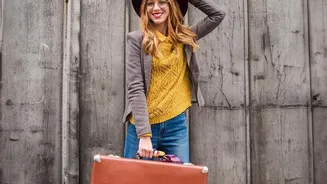
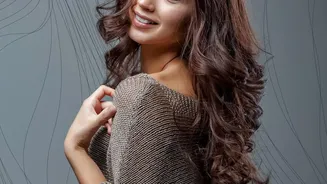
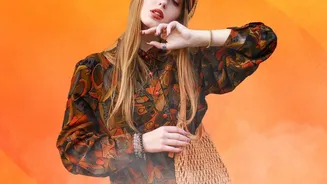
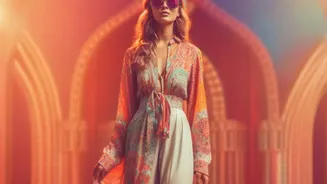
Beyond the big, styled looks, the '70s also had a strong bohemian, hippie aesthetic that championed long, natural, and free-flowing hair. Often parted in the middle, this style embraced whatever texture you had, from pin-straight to wavy. This is perhaps the easiest '70s trend to adopt. It’s less about a specific cut and more about an attitude. To get the look, simply part your hair in the center and let it do its thing. You can enhance soft waves by sleeping in loose braids or using a wave spray on damp hair. Accessories like scarves or headbands were often used to complete the look, making it a practical and expressive style that remains timelessly chic.