








The Allure of Seamless Travel
No one enjoys long queues, fumbling for IDs, or juggling passports and boarding passes. The appeal of facial boarding systems is undeniable. Proponents highlight the promise of a frictionless airport experience, where a simple glance at a camera whisks
you from the terminal entrance to the boarding gate. In India, the DigiYatra initiative aims to deliver just that—a paperless, contactless journey designed to reduce wait times and improve airport efficiency. With a traveller's face serving as a single digital token, the goal is to replace repeated document checks with swift biometric verification. This push for modernisation is presented as a win-win: faster movement for passengers and better throughput for crowded airports.
The High Price of Your Biometric Identity
Unlike a password or a lost ID card, your face is a permanent, unchangeable part of your identity. Handing over this biometric data is not a trivial act. While proponents of systems like DigiYatra state that data is encrypted and not stored in a central repository, the very act of creating and transmitting these facial templates introduces significant privacy and security risks. What happens in the event of a data breach? If a database of biometric markers is compromised, the consequences are irreversible. Concerns are not just theoretical; they touch upon the fundamental right to privacy and the potential for this highly personal data to be misused, whether for commercial purposes or expanded state surveillance beyond the airport.
When Technology Is Not Neutral
Facial recognition technology is not infallible. Numerous studies have documented significant biases in these systems. Research has consistently shown that algorithms are less accurate for women and people of colour, leading to higher rates of misidentification. A false match or a failure to recognise a passenger can lead to more than just inconvenience; it can result in missed flights, lengthy interrogations, and disproportionate scrutiny for already marginalised communities. Relying on a system with known biases to manage something as critical as air travel access risks embedding and automating discrimination on a massive scale. A person's right to travel should not depend on how well their face fits an algorithm's training data.
The Illusion of Voluntary Choice
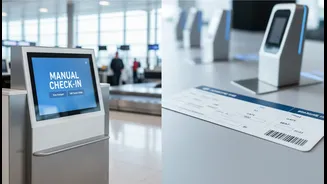
Currently, systems like DigiYatra are presented as voluntary. However, a choice is only meaningful if the alternative is genuinely viable. If manual check-in lanes become understaffed, inefficient, and stigmatised as the 'slow' option, passengers are effectively coerced into biometric scanning. Reports in early June 2026 incorrectly suggested DigiYatra was becoming mandatory for international transit at some airports, causing widespread confusion before authorities clarified it remains voluntary. This incident highlights how easily the line can blur. To preserve true choice, the manual process must remain a respected, efficient, and well-maintained-pathway, not a frustrating last resort for those who wish to protect their privacy. True consent cannot exist when one option is overwhelmingly privileged over the other.
Preserving a Fundamental Freedom
The gradual normalisation of biometric scanning in public spaces is a trend we should all be wary of. What starts as an optional convenience at the airport can set a precedent for other areas of life. The question is not whether the technology can make travel faster, but whether the price of that speed is a society with less privacy and more surveillance. A robust manual check-in process is more than just an alternative; it is a safeguard. It provides an essential off-ramp for those who cannot or will not participate in biometric systems, whether for reasons of privacy, personal conviction, or because the technology simply does not work for them. It ensures that travel remains accessible to all, without forcing anyone to surrender their unique, unchangeable biometric data to do so.