




The Problem with Today's Batteries
The electric vehicle revolution in India is being led by two-wheelers, but their adoption has been hampered by the limitations of current battery technology. Most EVs today use lithium-ion batteries, which contain a flammable liquid electrolyte. This
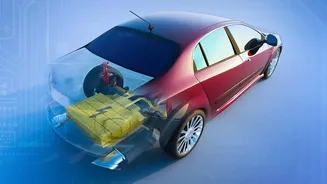
poses a safety risk, leading to concerns about thermal runaway—a chain reaction that can cause fires, especially in India's demanding hot and humid climate. Beyond safety, these batteries are the most expensive component of an electric vehicle, directly impacting the final showroom price. For the average Indian commuter, concerns about limited range, long charging times, and the battery's lifespan are significant barriers. A battery that degrades over a few years means a costly replacement, diminishing the long-term savings of going electric.
Enter the Solid-State Solution
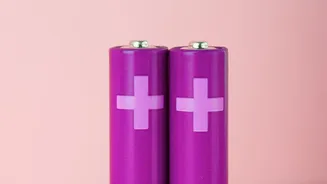
Solid-state batteries (SSBs) represent the next giant leap in energy storage. The core innovation is simple to understand: they replace the volatile liquid electrolyte found in lithium-ion batteries with a solid, non-flammable material, often a ceramic or polymer. This fundamental change brings a host of benefits. Firstly, they are significantly safer, virtually eliminating the risk of fires that have worried potential EV buyers. Secondly, they are more energy-dense. This means they can store more energy in a smaller, lighter package. For a two-wheeler, this could translate to a much longer range without adding weight, or a lighter, more nimble scooter with the same range as today's models. Finally, they promise faster charging and a much longer lifespan, capable of handling many more charge cycles than their liquid-filled counterparts.
The Breakthrough Is Here
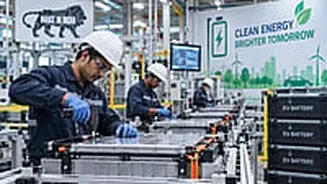
For years, solid-state batteries were described as being perpetually 'five years away'. That narrative is finally changing. The technology is moving out of the laboratory and onto the production line. As of late 2026, companies have made significant strides, with some announcing the start of mass production for their first-generation solid-state cells. For instance, ProLogium, a Taiwanese manufacturer backed by major automotive players, has reportedly begun mass-producing lithium-ceramic batteries that show a roughly 30% improvement in energy density over current technologies. Simultaneously, researchers have been solving critical technical hurdles, such as the formation of 'dendrites' that could cause short circuits. While these are early days, these steps prove that commercially viable solid-state batteries are no longer theoretical.
Why This Matters for Your Next Scooter
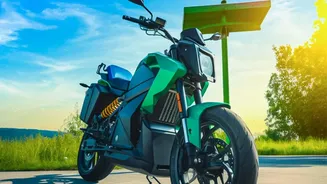
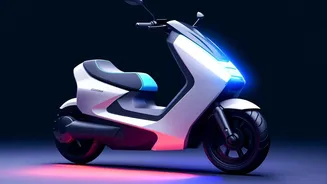
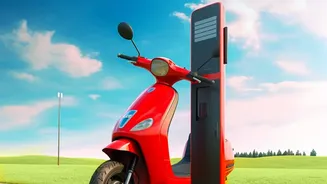
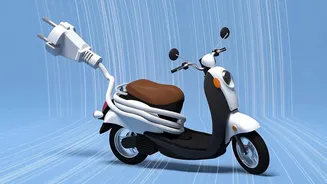
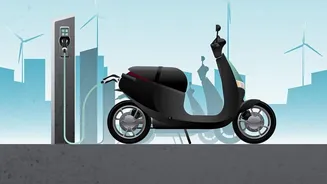
The shift to solid-state technology will directly address the biggest pain points for Indian two-wheeler riders. The most significant impact will be on cost. As manufacturing scales up, SSBs are expected to become cheaper than lithium-ion batteries, which could drastically reduce the upfront cost of electric scooters and motorcycles. This is the key to unlocking mass-market adoption in a price-sensitive country like India. Performance will also see a major boost. Imagine charging your scooter to 80% in the time it takes to drink a cup of tea—some prototypes promise charge times of under 15 minutes. A higher energy density means a week's worth of commuting on a single charge could become the norm. Furthermore, with a lifespan potentially outlasting the vehicle itself, the total cost of ownership will plummet, making electric two-wheelers an even more compelling financial choice.
The Road Ahead for India
While the first solid-state batteries are entering production now, it is important to have realistic expectations. They will likely appear in premium vehicles first, and it will take a few years for the technology to become affordable enough for the budget-friendly two-wheelers that dominate Indian roads. However, the path forward is clear. The Indian government's push for local manufacturing through initiatives like the Production Linked Incentive (PLI) scheme for Advanced Chemistry Cells (ACC) creates a fertile ground for this technology to be adopted and even produced domestically. This will not only reduce reliance on imports but also accelerate the cost reduction needed for mass adoption. Market forecasts predict strong growth for the solid-state battery market in India, signaling confidence from the industry that this technology is the future.