


From Monuments to Moments
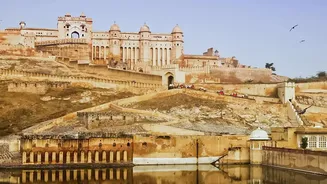
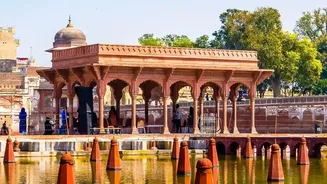
The travel checklist for many Indians is no longer dominated by forts, palaces, and postcard-perfect viewpoints alone. While these landmarks remain popular, a deeper, more engaging form of tourism is taking root. Recent studies highlight this significant
pivot. A 2026 report from global travel platform Skyscanner found that two-thirds of Indian travellers now plan their holidays around heritage, festivals, and food. This indicates a move away from passive sightseeing towards active participation. Instead of just photographing a monument, travellers want to understand its story, learn a local craft, or join in a regional festival. This desire for experiential travel is reshaping itineraries, with 84% of travellers stating their interest in culture-led trips has grown. It's a fundamental change from merely visiting a place to truly experiencing it.
The New Generation of Explorers
This trend is largely being driven by India's younger, digitally-native travellers—millennials and Gen Z. This demographic, which now accounts for a significant portion of both domestic and international trips, prioritises personal growth and meaningful connections over simply collecting passport stamps. For them, travel is an extension of their identity. Social media also plays a huge role; platforms like Instagram and YouTube have become primary sources of travel inspiration, where authentic, offbeat experiences often get more traction than traditional tourist shots. Influencers and user-generated content are steering travellers towards lesser-known villages, unique culinary trails, and vibrant local festivals, creating a demand for trips that offer a unique story to tell.
What Cultural Travel Looks Like
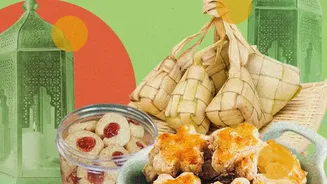
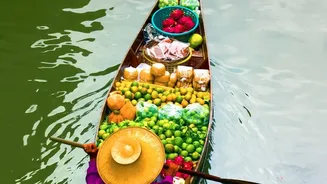
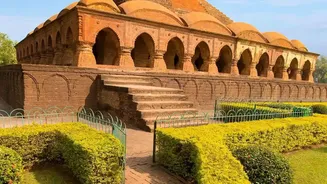
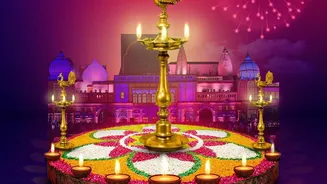
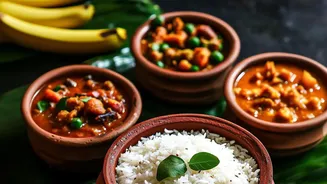
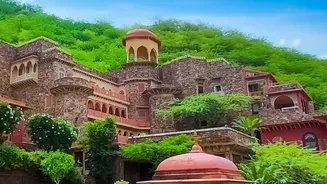
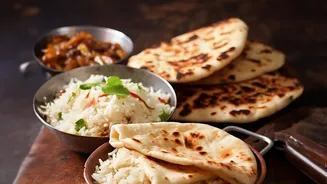
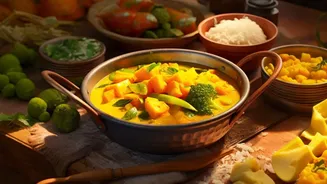
So, what do these culture-first holidays involve? Festival tourism has become a major catalyst, with a remarkable 72-76% of travellers saying they would plan a trip specifically to attend an event like Kolkata's Durga Puja or Ganesh Chaturthi in Mumbai. Food is another powerful motivator, as exploring regional cuisines through food walks, cooking classes, or farm-to-table meals becomes a central part of the journey. Heritage is being rediscovered not just through major UNESCO sites but also through immersive stays in smaller towns. Destinations like Kochi, Udaipur, and Almora are gaining popularity for their rich cultural fabric. Travellers are venturing into Tier 2 and Tier 3 towns, seeking authentic interactions with communities, artists, and traditions far from the crowded metro circuits.
A Shift in Spending and Planning
This new approach is also reflected in how people plan and spend. The rise of cultural travel has made travellers more intentional. Many now plan their trips three to six months in advance, especially for festival-related travel, a stark contrast to the last-minute bookings that once defined the Indian tourist. There's also a growing willingness to invest in these experiences. The experiential travel market in India is projected to become a multi-billion dollar industry, driven by young travellers who are ready to spend more on personalised and activity-based holidays. This includes paying for curated tours, workshops, and stays in boutique homestays that offer a deeper connection to the local way of life.