

Choose Fabrics That Work With the Weather, Not Against It
The single biggest mistake travellers make is packing cotton. In the high humidity of the Ghats, cotton absorbs moisture, becomes heavy, and takes forever to dry, leaving you feeling damp and cold. Instead, embrace the power of synthetics. Pack quick-drying
t-shirts and trekking pants made from polyester or nylon blends. These fabrics wick moisture away from your skin, dry quickly even in damp conditions, and weigh next to nothing. For evenings, which can get surprisingly chilly, a lightweight fleece jacket is a far better choice than a bulky sweatshirt. The goal is to stay comfortable, and that starts with materials designed for performance in wet environments.
Rethink Your Rain Protection
A simple rain jacket is good, but a smarter system is better. Consider a high-quality rain poncho instead of, or in addition to, a jacket. A poncho’s key advantage is its ability to cover both you and your backpack, offering superior protection for your gear. It also provides better ventilation, which is crucial in humid weather to avoid sweating inside your rain gear. Pair this with waterproof trousers to create a complete shell. Also, ensure your rain gear is easily accessible. Don't bury it at the bottom of your pack; keep it in an outer pocket so you can deploy it the moment the drizzle starts, rather than after you're already soaked.
The Right Footwear for Slippery Trails
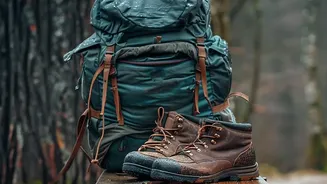
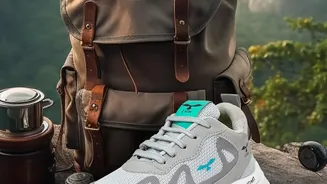
This might seem counterintuitive, but avoid heavy, waterproof hiking boots. While they stop water from getting in, they also stop it from getting out. Once water inevitably trickles in from the top during a downpour, your feet will be trapped in a swampy, blister-prone environment. A better choice for the muddy, rocky trails of the Western Ghats is a pair of trekking shoes or sandals with a soft rubber sole and excellent grip. These are designed to drain water quickly and dry faster. Look for a shoe with medium-sized lugs or grooves for traction on wet rocks and slush. Paired with a few extra pairs of synthetic socks, your feet will be far happier and healthier.
Master the Art of Waterproofing Your Gear
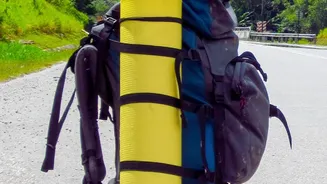
Assume everything will get damp, and pack accordingly. The 'less but better' philosophy shines here. Instead of more stuff, you need better organisation. Use a three-layer system for your backpack. First, use a waterproof rain cover on the outside. Second, line the inside of your backpack with a large, heavy-duty plastic bag or a dedicated pack liner. Third, compartmentalise critical items using dry bags or simple zip-lock pouches. Your electronics, a spare set of dry clothes, and important documents should each live in their own sealed bag. This triple-layer system ensures that even if your main pack gets damp, your essential gear remains perfectly dry and functional.
A Minimalist Monsoon Health and Safety Kit
The Western Ghats in the monsoon have their own unique set of challenges, primarily leeches and insects. Your medical kit should be small but specific. Pack leech socks, which are cloth socks worn over your regular socks to prevent leeches from latching on. Also carry a small container of salt or a hand sanitiser, which can be used to easily remove any leeches that do get through. A good insect repellent is a must, especially for the evenings. Beyond that, a standard small first-aid kit with antiseptic wipes, bandages, and basic pain relievers should suffice. The key is preparing for the specific environment without carrying an entire pharmacy.
Essential Electronics and Smart Power
In the damp environment of the monsoon, less is more when it comes to electronics. Your smartphone, often doubling as your camera and GPS, is the primary device to protect. Keep it in a waterproof pouch, even when not in use. Ziplock bags are a good backup. The most critical electronic accessory is a reliable power bank, as cold and wet conditions can drain batteries faster. Keep your power bank and any spare batteries wrapped in a dry cloth or sock inside a sealed bag to protect them from moisture and cold. A headlamp is also invaluable for early starts or navigating poorly lit areas. Beyond these essentials, question if you really need that extra gadget on a short, wet trip.