




The Lifespan Gap Between Dog Breeds
Anyone who has owned different breeds of dogs has likely witnessed the strange inversion of a natural rule. Across the animal kingdom, larger species tend to live longer than smaller ones—an elephant outlives a mouse. Yet within the single species of domestic
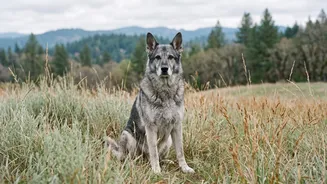
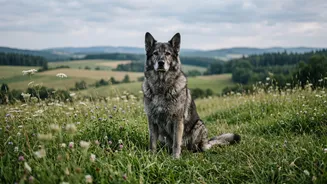
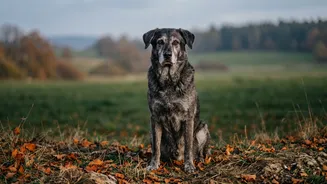
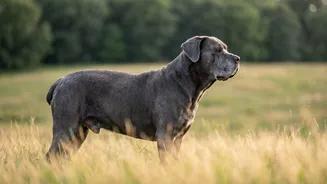
dog, the opposite is true. Studies consistently show that smaller dogs have longer average lifespans. For example, one major study found small dogs lived a median of nearly 15 years, while large dogs averaged around 13 years, with giant breeds often having even shorter lives. This phenomenon has puzzled scientists and veterinarians for decades, but recent genetic research is finally providing some concrete answers.
Biological vs. Calendar Age
The key to understanding this puzzle lies in separating two different concepts of age: chronological and biological. Chronological age is simple—it's the number of years since your dog was born. Biological age, however, is a measure of how time has affected the body's cells and tissues. Scientists can now measure this using what's called an 'epigenetic clock'. By looking at chemical marks on DNA called methylation patterns, which change predictably over a lifetime, they can determine a dog's biological age. This research reveals that dogs age much faster early in life than the old '1 dog year equals 7 human years' rule suggests. A one-year-old dog is biologically closer to a 30-year-old human.
The Price of Rapid Growth
So why do large dogs have an accelerated biological clock? A recent, groundbreaking study from the Dog Aging Project points to the cost of rapid growth. Researchers analysed DNA from nearly 900 dogs and found that larger breeds age more quickly at a molecular level. A key reason appears to be linked to something called transposable elements, or 'jumping genes'. These are stretches of DNA that can copy themselves and move around the genome, potentially causing damage and instability. In healthy, young animals, DNA methylation keeps these jumping genes suppressed. However, the study found that this control system erodes faster in large dogs. On average, giant breeds lost about 35% more of this protective methylation per year than small breeds. This loss of control over jumping genes seems to be a major factor driving their faster aging process.
It’s a Trade-Off: Growth vs. Maintenance
Ultimately, the shorter lifespan of large dogs seems to be a biological trade-off. Selective breeding for large size has prioritized rapid growth, likely involving genes like IGF-1 (Insulin-like Growth Factor 1), which is linked to both body size and lifespan. This 'live fast, die young' strategy means the body invests its resources heavily in growing big, quickly, at the expense of long-term cellular maintenance and repair. The accelerated aging seen in their DNA is the hidden cost of achieving that impressive size. The faster loss of methylation and the resulting genomic instability contribute to an earlier onset of age-related diseases like cancer, which large breeds are more susceptible to.