


Choosing Your Monsoon Route
The drive to Agumbe, spanning approximately 350 to 380 kilometres, presents a few route choices, each with its own character, especially during the rains. The most common route runs from Bangalore via Hassan and Belur, then onwards through the Chikmagalur
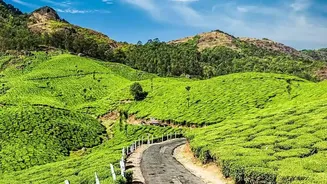
region or Thirthahalli. While the roads are generally good, the stretch from Thirthahalli onwards becomes a classic narrow and winding ghat road. An alternative via Chikmagalur might be slightly longer, but it offers stunning views of the Malnad region, perfect if you fancy a break at a coffee estate. Regardless of your choice, anticipate that the final ascent into Agumbe will be a true test of ghat driving, demanding patience and focus. It's wise to check for local advisories before starting, as authorities sometimes impose restrictions on heavy vehicles during peak monsoon to prevent landslides on the hairpin bends.
Essential Monsoon Driving Tips
Driving in the Western Ghats during a downpour is an experience, but safety is paramount. Before you leave, conduct a thorough vehicle check. Ensure your tyres have excellent tread, your brakes are in optimal condition, and your wiper blades are new enough to handle a deluge. On the road, reduce your speed significantly. Wet roads are slippery, and hydroplaning is a real risk. Maintain a generous distance from the vehicle ahead. One of the most critical skills is using your lights correctly; use low beams in heavy rain or fog, as high beams reflect off water droplets and create a blinding glare. When descending the steep ghats, rely on engine braking by shifting to a lower gear rather than constantly riding the brakes, which can cause them to overheat and fail. Above all, be prepared for near-zero visibility at times and be willing to pull over and wait if conditions become too hazardous.
Navigating the Agumbe Ghat
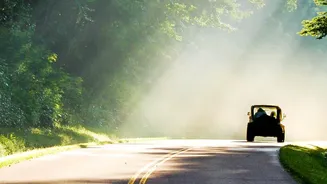
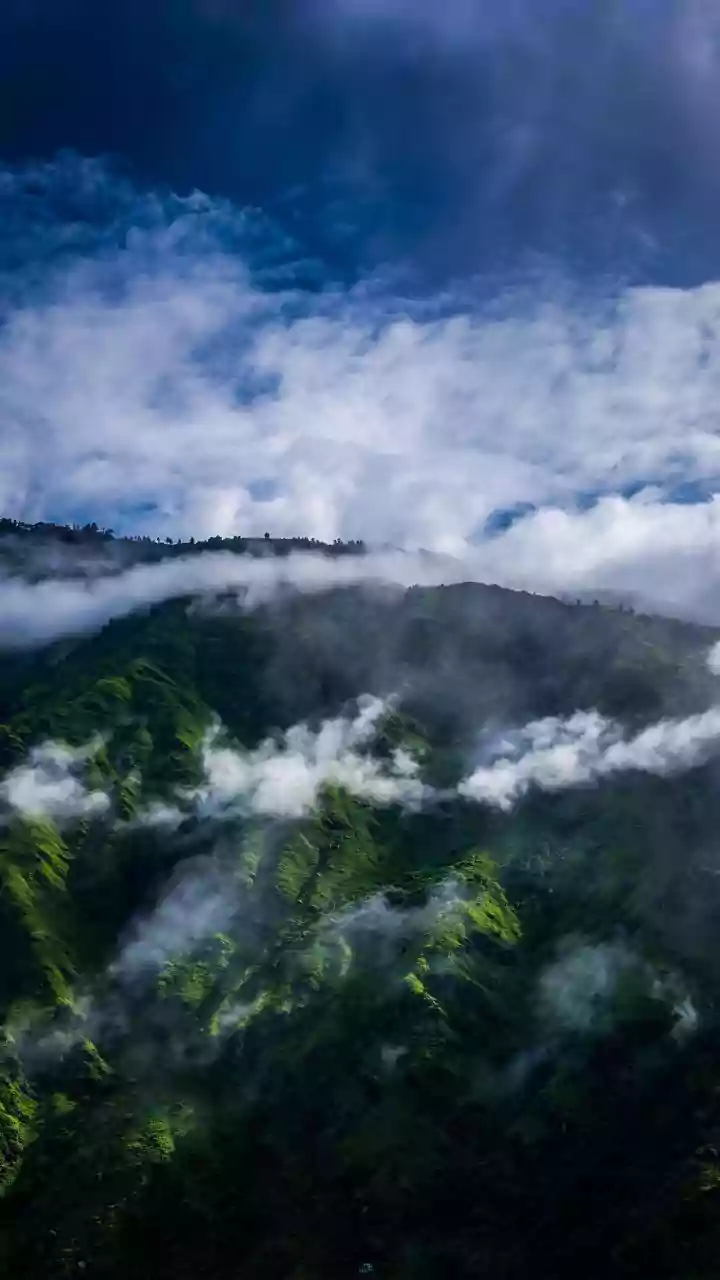
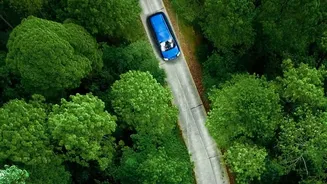
The final stretch, the Agumbe Ghat road itself, is legendary for its sharp hairpin bends and steep inclines. This narrow road demands your full attention. Honk before blind turns to alert oncoming traffic and stick strictly to your side of the road. Even experienced drivers should proceed with caution. The road is often enveloped in mist, reducing visibility to just a few feet. The reward, however, is the surreal feeling of driving through the clouds, with walls of green on one side and misty valleys on the other. The lack of heavy traffic compared to other ghats can make for a more relaxed drive, but it doesn't reduce the need for vigilance.
Rainforest Photography Locations: The Waterfalls
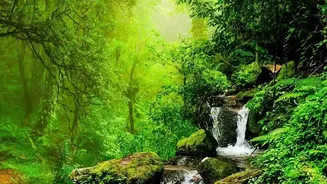
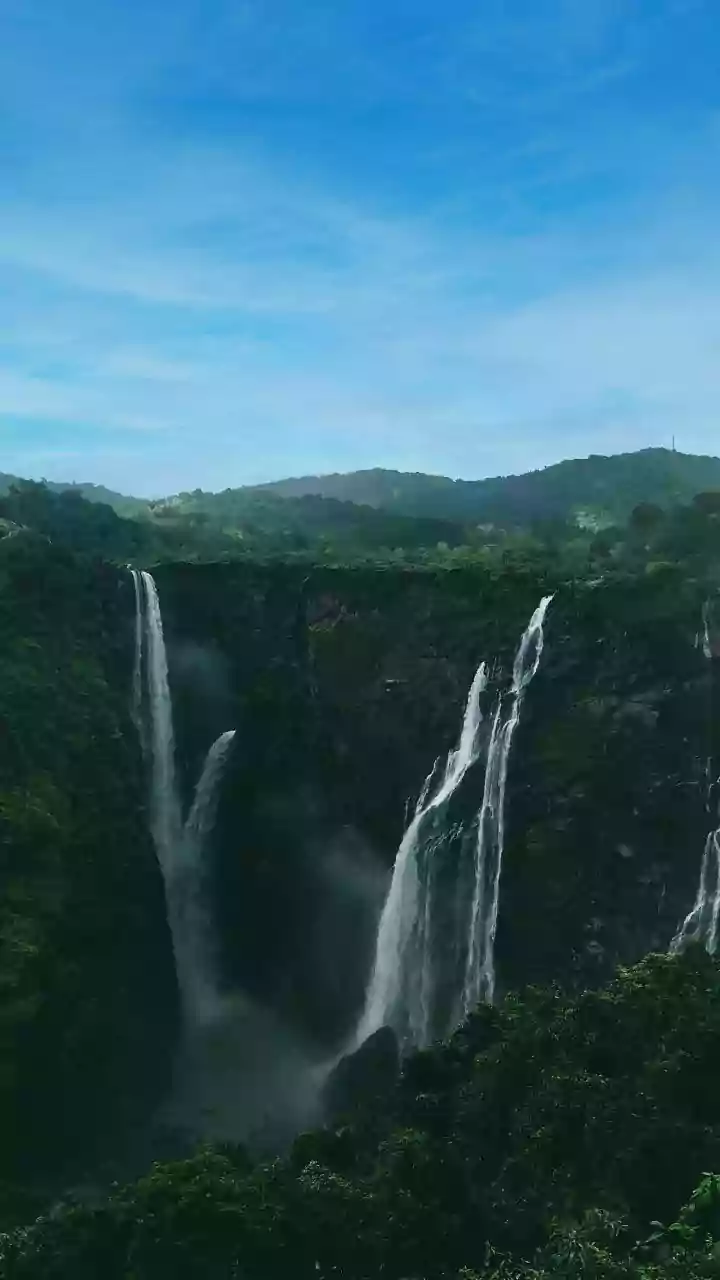
Agumbe truly comes alive in the monsoon, making it a paradise for photographers. The area is dotted with magnificent waterfalls, which are at their most powerful during this season. Onake Abbi Falls, one of the tallest in the Western Ghats, is a must-see, though it requires a trek to reach. Jogi Gundi Falls is more accessible, featuring a unique cascade that emerges from a cave and flows into a large, natural pool. Barkana Falls, another of India's highest, offers a stunning view, especially after heavy rains, rewarding those willing to make the trek through the lush forest. Always be cautious, as trails can be extremely slippery and water currents strong.
Photography Beyond the Falls
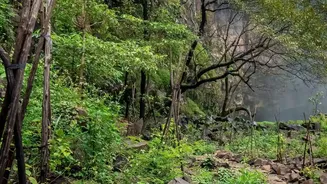
While waterfalls are the main draw, Agumbe's monsoon photography secrets lie in the details. The rainforest floor and canopy teem with life. This is a prime destination for macro photography, with colourful frogs, insects, and fungi emerging in the wet conditions. Kundadri Hills, a short drive from Agumbe, offers panoramic views of the mist-filled valleys, especially at sunrise or sunset on a clear day. Even the famous Sunset Point, though often clouded, can provide dramatic shots of the sun breaking through the mist over the Western Ghats. Don't forget to capture the journey itself—the winding roads, moss-covered trees, and the ethereal quality of light filtering through the rain-soaked canopy offer endless photographic opportunities.