
While most of India's hillsides settle into muted post-monsoon tones, Meghalaya puts on a show. Every November, its landscapes erupt in a delicate wash of pink, making it an unmissable destination for travellers seeking a unique spectacle.
An Autumnal Blossom Unlike Any Other
Forget what
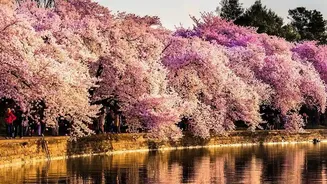
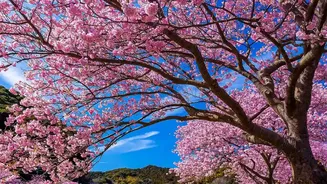
you know about spring cherry blossoms. In Meghalaya, the star of the show is the Himalayan cherry tree, or Prunus cerasoides, which uniquely blooms in autumn. From late October through November, the hills around Shillong and the wider Khasi Hills trade their lush greens for breathtaking shades of pink and white. This natural spectacle transforms the region into a watercolour painting, with clusters of flowering trees appearing along roadsides, in parks, and against the backdrop of pine forests. Key viewing spots in Shillong like Ward's Lake, Lady Hydari Park, and the Shillong Golf Course become hotspots for this floral display. The bloom at Ward's Lake is particularly magical, where the pink-flowered branches reflect in the calm water on still mornings.
The Shillong Cherry Blossom Festival
Coinciding with this natural event is the famed Shillong Cherry Blossom Festival, one of Northeast India's most significant cultural and music events. For 2026, the festival is confirmed for November 20th and 21st. What started as a celebration of the blossoms has grown into a major international festival featuring music, art, and food. This year’s edition boasts an impressive line-up with international artists like Khalid, Swae Lee, and Boys Like Girls set to perform. The festival has become so popular that it has moved to a new, larger permanent venue at the New Shillong Highland Grounds to accommodate the growing crowds. It's a vibrant blend of global music and local Khasi culture, making it a powerful draw for visitors.
Perfect Weather and Crystal-Clear Skies
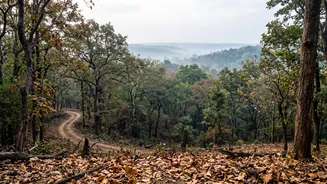
November marks the end of the monsoon season, ushering in some of the best weather for exploring Meghalaya. The climate is comfortably cool and dry, with daytime temperatures in Shillong hovering between 18-20°C and nights dropping to a crisp 8-10°C. The persistent rain and fog of the preceding months give way to clear, sunny skies. This exceptional visibility is perfect for visiting the state's famous viewpoints. The panoramic vistas from Laitlum Canyons and Shillong Peak, often obscured by clouds, are wide open for appreciation. This dry, pleasant weather is ideal for all outdoor activities, from city strolls to more strenuous treks.
More Than Just Blossoms
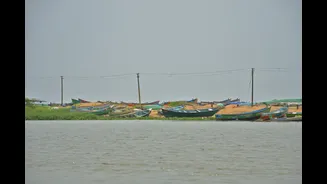
While the cherry blossoms are the main event, November's clear conditions make it the ideal time to explore all that Meghalaya has to offer. The Umngot River in Dawki, famous for its crystal-clear water, is at its most transparent during this post-monsoon, pre-winter window, offering the magical sight of boats seemingly floating in mid_air. The state's legendary waterfalls, like Nohkalikai and Seven Sisters Falls, still have a healthy flow from the recent rains but are accessible without the monsoon's downpours. It's also the perfect season for trekking. The trails to iconic sites like the Double Decker Living Root Bridge in Nongriat are dry and safe, making the 3,500_step journey more manageable and rewarding. You can also comfortably explore the sacred groves of Mawphlang or the limestone passages of Mawsmai Cave.
A Photographer's Dream
For photographers, November in Meghalaya is a visual feast. The combination of soft, clear light, blue skies, and the vibrant contrast between the pink blossoms and deep green pines creates endless opportunities for stunning shots. The shorter daylight hours, with sunset around 4:30 PM, mean the 'golden hour' light arrives earlier, bathing the landscape in a warm, ethereal glow. From the sweeping landscapes of Laitlum to the delicate floral details at Ward's Lake and the surreal clarity of the Umngot River, every corner of Meghalaya offers a postcardworthy frame. The pleasant weather allows for unhurried exploration, giving you ample time to find the perfect angle and capture the unique beauty of the state in its prime.