



Understanding the Movement
Cat-Cow is not a single static pose but a dynamic flow between two complementary positions. The 'Cow' pose (Bitilasana) is a gentle arch of the back, opening the chest and abdomen. The 'Cat' pose (Marjaryasana) involves rounding the spine, stretching
the back and neck muscles. Practiced together, they create a fluid motion that warms up the entire spinal column, making it a staple in yoga classes to prepare the body for more activity or to wind down after a long day. The key is to link the movement directly to your breath, creating a mindful, moving meditation.
The Core Benefits of Cat-Cow
Regular practice of Cat-Cow offers significant benefits beyond a simple stretch. It is highly effective for improving spinal flexibility and mobility, which can help reduce stiffness and improve overall posture. The gentle movement increases blood flow and circulates the fluid that lubricates the joints in your spine. This can provide relief from tension in the back, neck, and shoulders, making it especially beneficial for those who spend long hours sitting at a desk. The sequence also gently stimulates and massages abdominal organs, which can aid digestion, and the focus on synchronised breathing helps calm the nervous system and reduce stress.
A Step-by-Step Guide
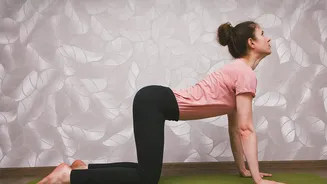
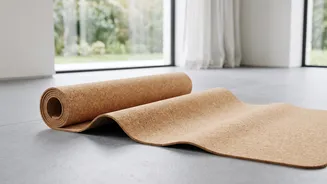
To perform the classic Cat-Cow, you will begin on a mat in a 'tabletop' position.1. Start on your hands and knees. Place your wrists directly under your shoulders and your knees directly under your hips, about hip-width apart.2. Spread your fingers wide to distribute your weight evenly across your hands. Keep your spine in a neutral, long position, and let your gaze fall gently to the floor just ahead of your hands.3. For Cow Pose (Bitilasana): As you inhale, begin to drop your belly toward the floor. Lift your chest and tailbone toward the ceiling, creating a gentle arch in your spine. Broaden your collarbones and look forward or slightly upward, being careful not to crane your neck.4. For Cat Pose (Marjaryasana): As you exhale, press firmly into your hands and start to round your spine toward the ceiling. Tuck your tailbone under and gently draw your navel toward your spine. Allow your head to release downwards, letting your chin fall toward your chest without force.5. Continue to flow smoothly between Cow on your inhales and Cat on your exhales. Aim for 5-10 slow, deliberate rounds, letting your breath guide the pace of the movement.
Common Mistakes to Avoid
To get the most out of the pose and prevent strain, be mindful of common errors. One frequent mistake is moving too quickly and not synchronizing the flow with your breath. The movement should be slow and intentional. Another error is initiating the movement from the head instead of the pelvis; the wave-like motion should start from your tailbone and ripple up the spine. In Cow pose, avoid throwing your head back, which can compress the neck. Instead, keep the back of your neck long as you lift your gaze. Also, be sure not to collapse into your shoulders; actively press the floor away with your hands to keep your shoulder blades broad.
Modifications for Every Body
Cat-Cow is wonderfully adaptable. If you have sensitive wrists, you can perform the pose on your fists or forearms instead of flat palms to reduce pressure. For sensitive knees, placing a folded blanket or towel underneath them can provide welcome cushioning. The entire sequence can also be performed while seated in a chair, making it accessible for anyone at an office desk or for those who find it difficult to be on the floor. To do this, sit tall at the edge of a chair with your feet flat on the floor and hands on your knees. Inhale to arch your back and open your chest, and exhale to round your spine.