

The Problem with Overcrowding
When plants are jammed together in containers, they begin to compete for essential resources. This intense rivalry happens both above and below the soil. Roots fight for water and nutrients in the limited potting mix, while leaves jostle for access to sunlight.
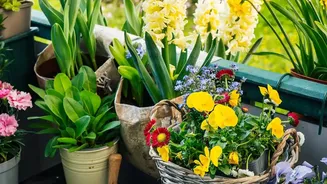
This struggle often leads to stunted growth, fewer flowers, and a greater vulnerability to pests and diseases. What starts as a vision for a dense urban jungle can quickly become a collection of stressed, unhealthy plants that fail to reach their full potential. The dream of a bountiful harvest or vibrant blooms is replaced by the reality of weak stems and yellowing leaves.
The Critical Role of Air Circulation
One of the most significant issues caused by overcrowding is poor air circulation. When plant foliage is densely packed, moisture gets trapped between the leaves, creating a humid environment that is a perfect breeding ground for fungal diseases like powdery mildew. Proper spacing allows air to flow freely around each plant, which helps foliage dry out after watering or rain and reduces the risk of disease. Good airflow is like a natural defence system for your garden, helping to keep common plant ailments at bay without you having to intervene. This is especially important on balconies, where air movement can already be unpredictable.
Smart Spacing for Healthy Roots and Shoots
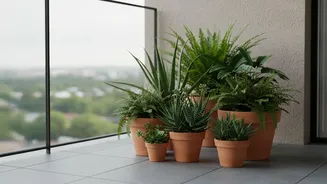
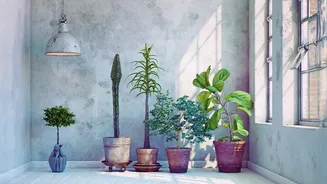
So, how much space is enough? Plant tags often provide spacing recommendations, but these are typically for in-ground gardens. For containers, a good rule of thumb is to consider the plant's mature size. While a planter might look sparse at first with small seedlings, leaving adequate room pays off. Generally, three or four plants can fit in a 10- to 12-inch planter, while a 16- to 20-inch container might hold six to eight, depending on their vigour. This spacing ensures that each plant's root system has enough room to expand and absorb the water and nutrients it needs to thrive, preventing the 'root-bound' conditions that choke a plant's growth.
Go Vertical to Maximize Your Space
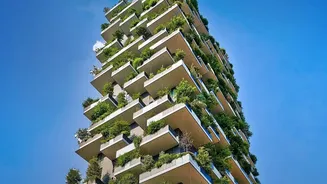
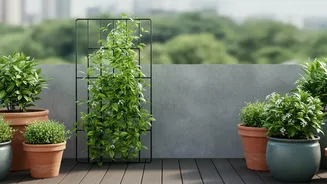
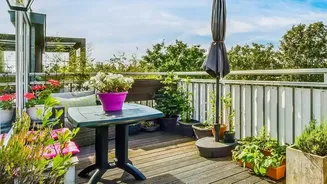
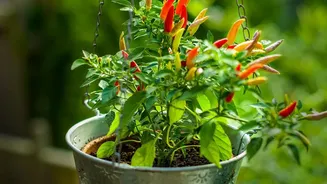
Giving plants breathing room doesn't mean you have to settle for a sparse balcony. The key is to think beyond the floor. Vertical gardening is a game-changer for small spaces, allowing you to grow more without creating a crowded, competitive environment. Utilize wall-mounted planters, railing baskets, and hanging pots to draw the eye upward and give each plant its own designated space. A trellis can support climbing plants like peas or flowering vines, adding a beautiful green wall without taking up precious floor area. Tiered shelves or a repurposed ladder can also create multiple levels of growing space, ensuring each pot gets sufficient light and air.
Choose the Right Plants and Pots
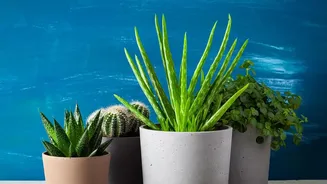
Strategic plant selection can also prevent overcrowding. Opt for compact or 'dwarf' varieties of your favourite vegetables and flowers, as they are specifically bred for container life. Instead of one large, sprawling plant, you might be able to fit several smaller, more contained ones. The size of the pot itself is also crucial. A pot that is too small will restrict root growth from the start, while one that is excessively large for a small plant can retain too much moisture, potentially leading to root rot. The goal is to find a balance, giving roots room to grow into the new space over the season.