







Citrus Fruits: The Classic Defender
When you think of immune support, oranges, grapefruits, lemons, and limes are probably the first things that come to mind—and for good reason. They are famously packed with vitamin C, a powerhouse antioxidant that is crucial for immune health. Vitamin
C is thought to increase the production of white blood cells, which are the body's primary agents for fighting off infections. Because your body doesn't produce or store vitamin C, you need a daily intake to maintain its levels. A medium-sized orange can provide a significant portion of your recommended daily amount, making it an easy and delicious addition to your breakfast or as a midday snack.
Berries: The Antioxidant All-Stars
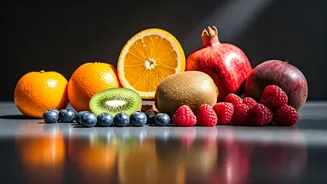
Blueberries, strawberries, and raspberries aren't just sweet treats; they are loaded with powerful antioxidants called flavonoids. Specifically, blueberries contain a flavonoid called anthocyanin, which has antioxidant properties that can play an important role in supporting the respiratory tract's immune defense system. Studies suggest that people who eat foods rich in flavonoids are less likely to get an upper respiratory tract infection. Whether you blend them into a smoothie, sprinkle them over yogurt, or eat them by the handful, berries are a versatile and effective way to help protect your cells from damage caused by free radicals.
Kiwi: The Small but Mighty Nutrient Bomb
Don't let its small size fool you. The fuzzy little kiwi is a nutritional giant, packed with essential nutrients that support immune function. Like citrus, kiwis are an excellent source of vitamin C—in fact, a single cup of kiwi provides well over the daily recommended intake. But they don't stop there. Kiwis also contain other important nutrients like vitamin K, vitamin E, and potassium, as well as a healthy dose of antioxidants. This combination works together to help keep your body's systems running smoothly and your white blood cells functioning properly, making it a fantastic fruit for year-round immune support.
Papaya: The Tropical Helper
Another fruit loaded with vitamin C, a single medium-sized papaya can deliver double the daily recommended amount. Papayas also contain a digestive enzyme called papain, which has anti-inflammatory effects. Chronic inflammation can hinder a healthy immune response, so incorporating foods with anti-inflammatory properties is a smart strategy for overall wellness. Furthermore, papayas are a good source of potassium, magnesium, and folate, all of which have various benefits for your overall health. Its vibrant color and tropical sweetness make it a welcome addition to fruit salads and smoothies.
Red Bell Peppers: The Surprise Contender
Here's a fun fact: botanically speaking, bell peppers are fruits. And when it comes to vitamin C content, red bell peppers blow most citrus out of the water. Ounce for ounce, they contain about three times as much vitamin C as a Florida orange. This makes them one of the richest dietary sources of this essential immune-supporting nutrient. Red bell peppers are also a great source of beta carotene, which the body converts into vitamin A. Vitamin A is critical for maintaining the health of your skin and mucous membranes, which act as your body's first line of defense against pathogens. Slice them up for a crunchy snack with hummus or add them to salads and stir-fries.
Guava: The Unsung Hero
Often overlooked in American supermarkets, guava is a tropical fruit that deserves a place on any immune-friendly shopping list. This fruit is an absolute powerhouse of vitamin C. A single guava can contain more than four times the vitamin C of an orange. It's also rich in vitamin A and other antioxidants like lycopene, which is known for its role in cellular health. The combination of these nutrients helps protect your cells from damage and supports the complex network of cells and proteins that make up your immune system. If you can find it, this fruit offers a potent and delicious way to fortify your diet.