

The Building Blocks of Protein
Protein is essential for building and repairing tissues, making enzymes, and supporting overall bodily functions. Proteins themselves are made of smaller units called amino acids. There are 20 different amino acids, but nine of them are considered 'essential'
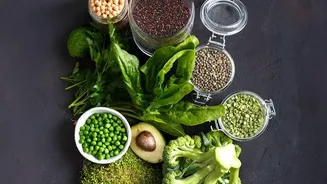
because our bodies cannot produce them. We must get these nine essential amino acids from the food we eat. Foods that contain all nine in sufficient amounts are called 'complete proteins'. While animal products like meat, eggs, and dairy are typically complete proteins, most single plant-based foods are not. This is where the concept of complementary proteins becomes crucial for vegetarian and vegan diets.
The Role of Lentils (Dal)
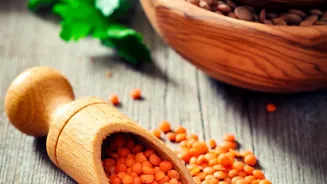
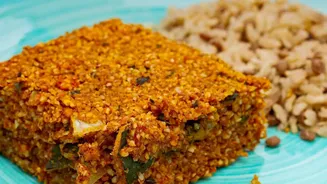
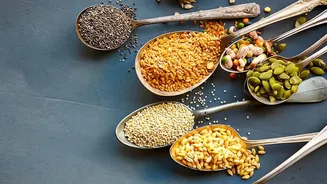
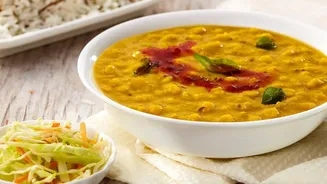
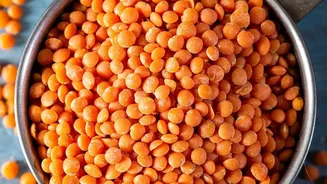
Lentils, the foundation of any dal, are a nutritional powerhouse. They are packed with protein, fibre, iron, and folate. From a protein perspective, lentils contain all nine essential amino acids, but they are low in two specific ones: methionine and cysteine. Because of this low quantity of certain amino acids, lentils on their own are considered an 'incomplete' protein. However, they are exceptionally rich in another essential amino acid called lysine. This high lysine content is the first piece of our protein puzzle.
Rice: The Perfect Partner
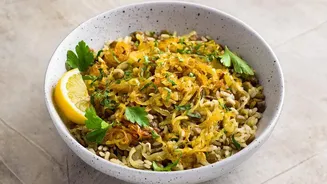
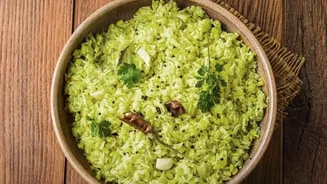
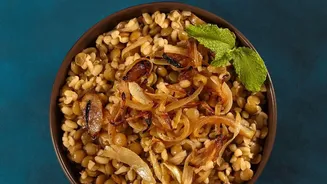
Rice, the other half of this classic duo, has an amino acid profile that is almost the exact opposite of lentils. Grains like rice are generally low in the essential amino acid lysine—the very one that lentils have in abundance. Conversely, rice contains higher levels of the sulfur-containing amino acids methionine and cysteine, which are limited in lentils. This creates a perfectly complementary relationship. What one lacks, the other provides, turning two incomplete proteins into a single, complete protein source when eaten together.
Do You Need to Eat Them in the Same Meal?
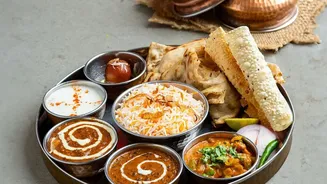
For years, the popular belief was that complementary proteins had to be eaten in the same meal to be effective. This led to stress and complicated meal planning. However, modern nutritional science has debunked this myth. Our bodies maintain a pool of amino acids to draw from as needed throughout the day. This means that as long as you consume a variety of plant-based protein sources over the course of a day, your body can combine the amino acids to form complete proteins. So, if you have dal for lunch and rice for dinner, you still get the benefits. That said, the pairing of dal and rice is not just nutritionally smart—it’s a delicious and culturally ingrained tradition that naturally ensures a balanced intake.
Enhancing Your Dal-Rice Meal
While dal chawal is a fantastic base, you can elevate its nutritional profile even further. Using brown rice instead of white rice will increase fibre, magnesium, and other vitamins. Different types of dal also offer unique benefits; for instance, moong dal is light and easy to digest, while masoor dal provides more iron. Adding a dollop of ghee not only enhances the flavour but also provides healthy fats that help in the absorption of fat-soluble vitamins. The fibre from the lentils combined with the carbohydrates from rice also helps regulate blood sugar levels by slowing down digestion, keeping you feeling full and energetic for longer.