






Geopolitical Tensions Roil the Market
The primary driver behind the recent surge in oil prices is geopolitical instability, particularly in the Middle East. Tensions surrounding the Strait of Hormuz, a critical chokepoint for global oil shipments, have made markets nervous. Fresh military
exchanges between the US and Iran in late August have reignited fears of supply disruptions, pushing Brent crude, the global benchmark, above $90 a barrel. This uncertainty creates a 'risk premium,' where traders bid prices up even if oil is still flowing, due to the potential for future shortages. This situation has been described as the largest sustained oil price shock since the 1990 Gulf War, adding billions to the import bills of energy-reliant nations like India.
India's Multi-Billion Dollar Burden
As a major importer of fossil fuels, India is highly exposed to these global price shocks. According to a recent analysis, India incurred an estimated $22 billion in additional gross fossil-fuel import costs between March and August 2026. This makes India the second-most affected country in terms of extra import costs, just behind China. This net additional cost is equivalent to about 0.38% of the country's GDP. These higher costs are not just an abstract economic figure; they translate directly into higher prices for petrol, diesel, and cooking gas, impacting household budgets across the nation.
The Impact on Your Travel Plans
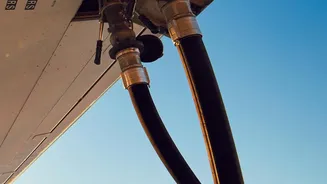
For the average citizen, the most immediate impact is felt in transportation costs. Higher crude prices lead directly to more expensive petrol and diesel, making daily commutes and road trips costlier. But the pressure extends to air travel as well. Aviation Turbine Fuel (ATF), or jet fuel, accounts for about 40% of an airline's operating costs. While the Indian government has at times cushioned the blow for domestic airlines by implementing staggered price hikes, the underlying costs are soaring. Jet fuel prices have seen sharp increases, with costs for international routes bearing the full brunt of the global surge. While resilient passenger demand has so far allowed airlines to maintain higher fares, continued pressure on fuel costs will inevitably make flights more expensive, especially for international holidays.
The Hidden Costs in Your Shopping Cart
The impact of rising oil prices goes far beyond the petrol station and airport. The transport and logistics sectors are the backbone of the economy, moving everything from fresh produce to manufactured goods across the country. Higher diesel prices increase freight expenses for trucks, and these costs are inevitably passed on to consumers. This means that the price of everyday items, from vegetables and milk to electronics and clothing, is likely to rise. This contributes to broader inflation, squeezing household budgets from all sides. Economists warn that if crude prices remain elevated for a sustained period, it could negatively affect corporate profit margins, the value of the rupee, and overall economic growth.