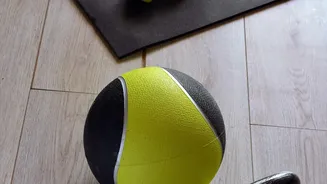


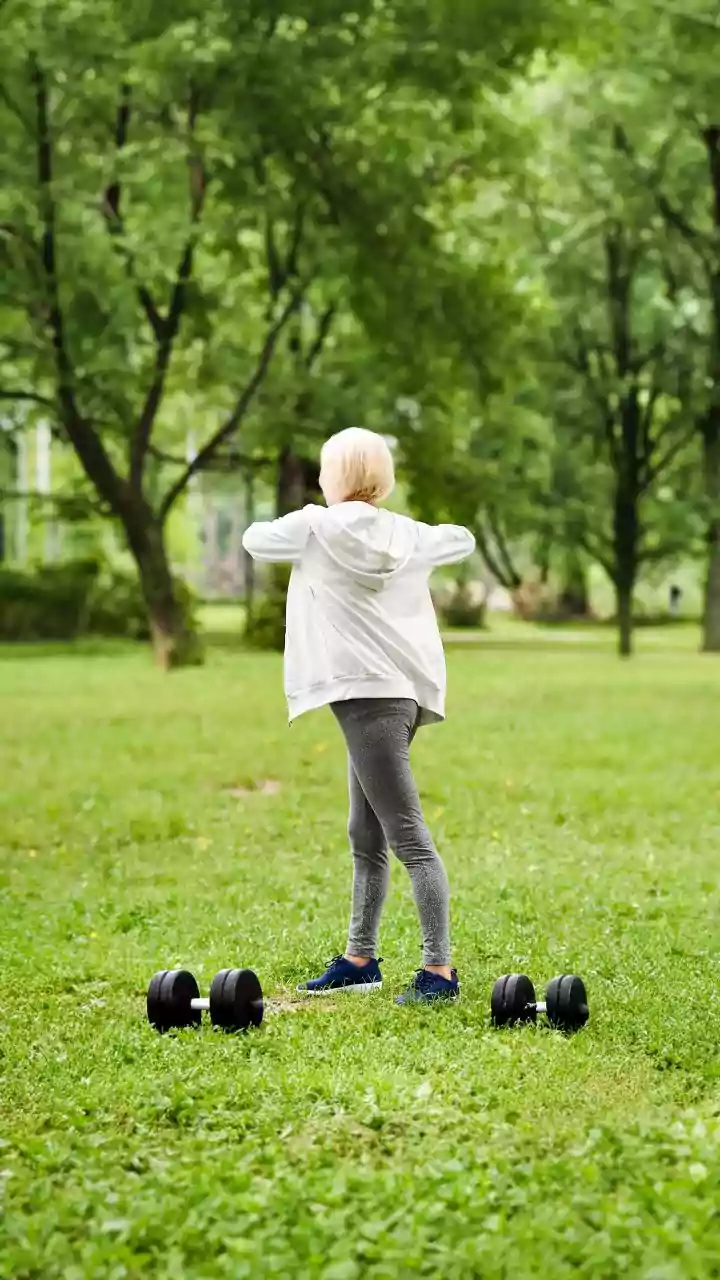


Never one to miss a beat with her fitness regimen, Shilpa Shetty is back with another accessible workout tip. This time, she’s using a simple ball to demonstrate a powerful exercise for improving coordination and focus without a gym.
The Mind-Body Challenge
As part of her regular
'Monday Motivation' series on social media, Shilpa Shetty recently shared a video that has caught the attention of fitness lovers. In the post, she demonstrates a seemingly simple, yet tricky, exercise using one or two small balls to challenge her coordination. The actress is seen standing, sometimes on one leg to increase the difficulty, while dropping and catching the balls. She described it as an exercise to get the 'body and brain to work together', blending coordination, focus, and a bit of fun into one routine. This no-gym approach reinforces her philosophy that effective fitness doesn't always require heavy equipment, just a willingness to challenge yourself in new ways.
Decoding the Exercise
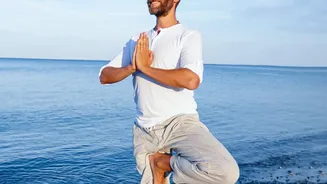
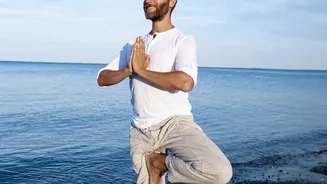
The workout Shilpa demonstrated involves a dynamic interplay of balance and hand-eye coordination. It starts with a basic stance, feet apart, while dropping and catching two balls simultaneously. This requires the brain to track the objects and coordinate the hands to react in time. The next level of the challenge involves standing on one leg while performing the same drill. This adds a significant balance component, forcing the body's core and stabilizer muscles to engage deeply to prevent wobbling. The entire exercise is a form of cognitive-motor training, where the mind is actively engaged in processing visual information and executing precise physical responses.
The Benefits of Ball Exercises
Beyond being a fun challenge, this type of exercise offers a wealth of benefits. At its core, it enhances proprioception—your body's awareness of its position in space. Every time you catch the ball or adjust your balance, you are strengthening the neural pathways between your brain and muscles. According to Shetty’s post and fitness experts, this kind of activity improves focus, attention, and mental clarity, potentially helping to reduce 'brain fog'. It engages both the right and left hemispheres of the brain, strengthening motor control and overall body awareness. This simultaneous physical and mental engagement is what makes coordination drills such an efficient form of training.
How to Get Started
Inspired to try it yourself? The beauty of this exercise is its simplicity. All you need is a small ball, like a tennis ball, and some open space. 1. Start Standing: Begin on two feet with a stable base. If using two balls, hold one in each hand. Simply practice dropping and catching them. Focus on the rhythm and getting your hands and eyes to work together. 2. Focus on Form: As Shilpa often advises, quality of movement is more important than quantity. Concentrate on controlled motions rather than speed. The goal is to build the connection between what you see and how your body reacts. 3. Introduce the Balance Challenge: Once you feel comfortable, try lifting one foot off the ground. You will immediately notice your core muscles firing up to keep you stable. Hold the position for as long as you can while continuing the drop-and-catch drill. 4. Switch Legs: Ensure you practice balancing on both your left and right leg to develop symmetrical stability and strength.
Shilpa’s latest fitness share is a reminder that workouts don’t have to be monotonous or require an expensive gym membership. By incorporating playful elements like a ball, you can challenge your body in new and exciting ways. Such exercises not only improve physical attributes like coordination and balance but also sharpen mental focus and reaction time. They engage stabilizer muscles that are often neglected in traditional strength training, contributing to better posture and a reduced risk of injury. For beginners, it's advised to start slowly in an open area and master the technique before increasing the difficulty. This exercise can be a fantastic addition to any well-rounded fitness program that also includes cardio, strength, and flexibility training.