


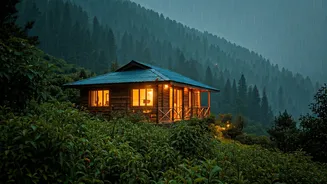



The New Mountain Commute
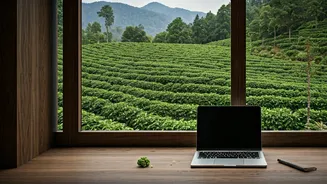
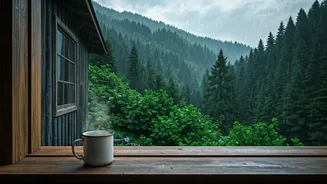
Forget the frantic rush of the metro or the endless traffic jams of Bengaluru or Gurugram. For a growing number of Indian professionals, the new 'workplace' is a quiet balcony overlooking terraced fields and lush green slopes in places like Yuksom, Pelling,
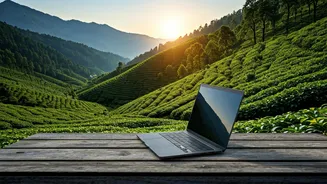
and Dzongu. This isn't a weekend getaway or a week-long 'workation'. We're seeing a distinct trend towards long-term bookings, with individuals and couples settling in for a month, a season, or even longer. They come with their company-issued laptops, their high-speed internet dongles as a backup, and a desire to merge their 9-to-5 (or, more accurately, 10-to-7) with a life far removed from the urban grind. The morning stand-up call is followed by a walk through a cardamom plantation, the lunch break filled with homemade momos, and the evening log-off signals a chance to watch the sun set over the Kanchenjunga range.
Why Sikkim, Why Now?
For years, the go-to destinations for India's nomadic workforce have been the beaches of Goa or the bustling cafes of Himachal Pradesh. Sikkim’s emergence marks a shift in priorities. While Goa offers a party vibe and Himachal a well-trodden tourist trail, Sikkim presents something different: a sense of serene isolation coupled with robust infrastructure. Post-pandemic work flexibility is the engine, but Sikkim is the coveted destination. Its reputation for peace, safety, and cleanliness is a major draw. Furthermore, improved and reliable internet connectivity in recent years, even in remote areas, has made the dream of working from a Himalayan homestay a practical reality. Nomads are seeking not just a change of scenery, but a change of pace, and Sikkim’s tranquil, nature-centric rhythm of life is the perfect antidote to corporate burnout.
The Allure of the Cardamom Hills
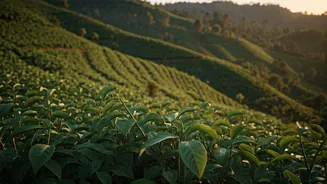
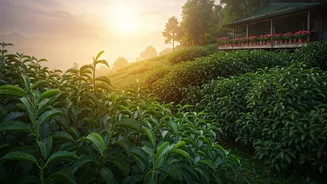
The phrase 'Cardamom Hills' itself evokes a sensory experience that defines this trend. Large cardamom (Amomum subulatum), or 'badi elaichi', is the backbone of the rural economy in many parts of the state. It grows under the shade of evergreen trees, creating a unique agroforestry system that feels more like a natural forest than a cultivated farm. For a visitor staying long-term, this means living within a landscape that is both productive and pristine. The harvest season, from August to November, brings a gentle activity to the hills. This connection to the land and its cycles offers a grounding experience that a typical tourist trip can’t provide. It’s a move towards 'slow travel'—the desire to inhabit a place, understand its culture, and contribute to its economy in a more meaningful way.
A Sustainable Model for Homestays
This trend is proving to be a quiet boon for local communities. For homestay owners, a booking for one or two months provides a stable, predictable income stream that is far more valuable than the fluctuating revenue from short-term tourists. Long-term guests are less of a strain on resources; they integrate into the household rhythm, often eating the same food as the family and requiring less intensive daily service. This model fosters a deeper connection between host and guest, often turning a commercial transaction into a genuine cultural exchange. The nomad gets an authentic experience of Sikkimese hospitality, while the host family benefits from sustained income, allowing them to invest in their properties and their children's education without succumbing to the pressures of mass tourism.
The Reality of Remote Work
Of course, life in the mountains isn't an Instagram filter. The reality involves navigating patchy mobile networks on a bad day, respecting local customs (especially in protected tribal areas like Dzongu, which requires special permits), and adjusting to a much quieter social life. It requires a degree of self-sufficiency and a mindset that is prepared for the occasional power cut or a roadblock during monsoon season. But for those who make the leap, the trade-off is more than worth it. They are trading the convenience of a Swiggy delivery for the taste of fresh, organic produce; the noise of the city for the sounds of birds and rustling leaves; and the stress of the rat race for the peace of the mountains.