


The Posture Problem of Today
Today's youth face a unique set of postural challenges that previous generations did not. Endless hours spent hunched over laptops for school, craning necks down to look at smartphones, and slumping on the couch for gaming sessions have created a perfect
storm for poor posture. This constant forward head position, often called 'tech neck', places enormous strain on the developing spine. When the head, which weighs about 5 kg in a neutral position, tilts forward, the load on the cervical spine can increase dramatically. This leads to muscle imbalances where the chest muscles become tight and the upper back muscles become overstretched and weak, pulling the shoulders forward and creating that characteristic hunched look. This is more than just an aesthetic issue; it can lead to chronic neck and back pain, stiffness, and even headaches.
Building a Stronger Framework
Resistance training is often misunderstood as being just about building large muscles. In reality, its greatest benefit for posture is creating a strong, supportive internal 'scaffolding' for the body. By strengthening the specific muscles responsible for holding the body upright, resistance workouts can directly counteract the negative effects of a sedentary lifestyle. These exercises help correct the muscular imbalances that cause slouching. When the muscles of the upper back, core, and glutes are strong, they can effectively pull the shoulders back, stabilize the pelvis, and support the spine in its natural, healthy alignment. It's about achieving balance: strengthening the weak, underused muscles while allowing the tight, overused ones to lengthen. This creates better body alignment and movement mechanics, which not only improves posture but also reduces the risk of injury in sports and daily activities.
The Key Muscles for Posture
To effectively improve posture, you need to target the right muscles. The core muscles, including the abdominals and obliques, are foundational. They act like a natural corset, stabilizing the entire torso. Equally important are the muscles of the upper back, such as the rhomboids and trapezius, which are responsible for retracting the shoulder blades and preventing them from rounding forward. Finally, the gluteal muscles are crucial for stabilizing the pelvis and supporting the lower back. When these three groups—the core, upper back, and glutes—are working together in harmony, maintaining an upright posture becomes almost effortless, rather than a conscious effort. A well-designed resistance program will focus on strengthening these key posterior chain and core muscles.
Safe and Smart Training for Youth
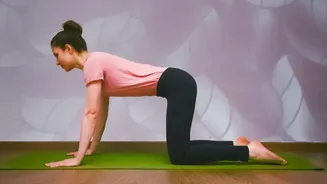
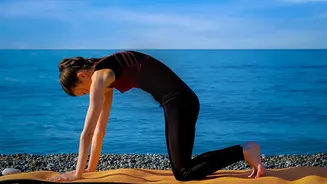
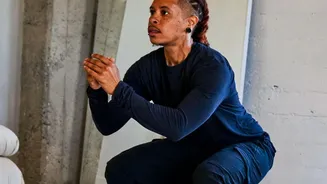
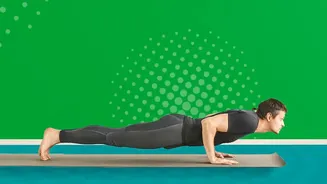
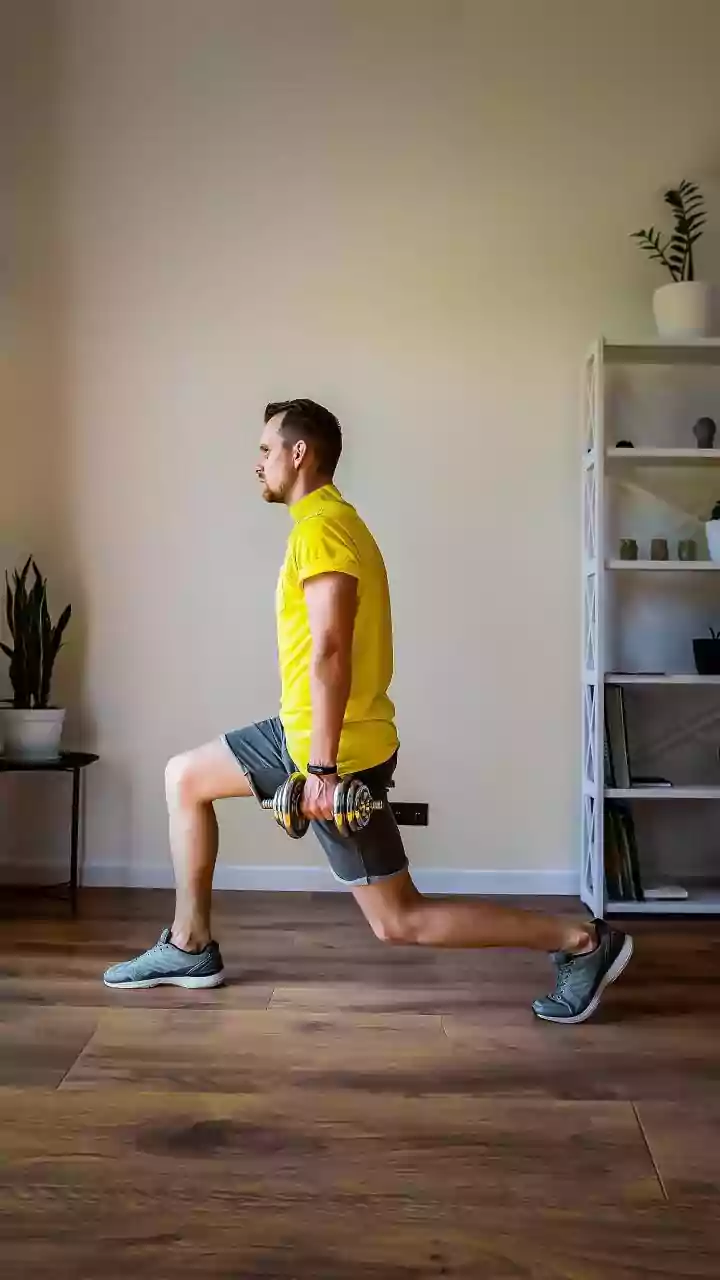
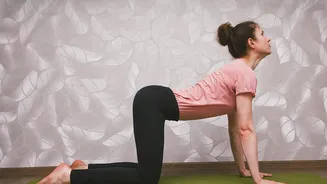
The idea of teenagers lifting weights once raised concerns, but modern research confirms that a properly designed and supervised strength training program is not only safe but highly beneficial. The key is to prioritize correct form and technique over lifting heavy weight. For beginners, bodyweight exercises are an excellent starting point. Movements like planks (to build core strength), squats (to engage the glutes and legs), and bodyweight rows or bird-dog exercises (to activate the upper back) are highly effective for posture. As strength improves, light weights or resistance bands can be gradually introduced. It is recommended to work with a qualified coach or trainer who has experience with adolescents to ensure the program is age-appropriate and focuses on balanced development across all major muscle groups. Two to three sessions per week, with rest days in between, is an ideal schedule for building strength and allowing for muscle recovery.