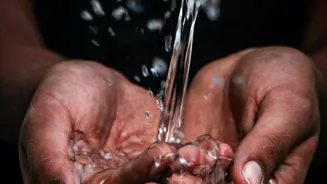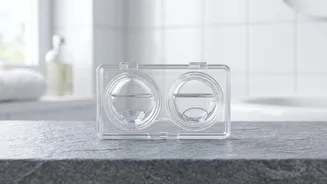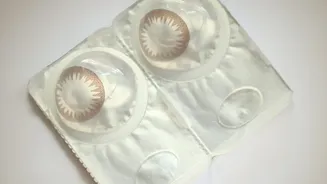





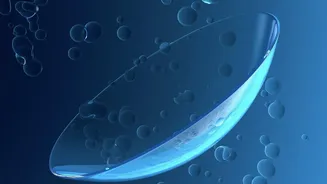


It’s a situation many contact lens wearers have faced: you’re out of solution and need to store your lenses. Using a bit of tap water seems harmless, right? Wrong. This common mistake can pose a serious threat to your vision.
The Myth of 'Clean' Water
The water from your tap might
be safe to drink, but it is far from sterile. The same is true for bottled, distilled, or filtered water. All of these sources contain a variety of microscopic organisms, including bacteria, fungi, and other pathogens. While your digestive system can easily handle these microbes, your eyes cannot. When you place a contact lens rinsed or stored in water into your eye, you're trapping these microorganisms against your cornea, creating a perfect breeding ground for a dangerous infection.
The Primary Threat: Acanthamoeba
One of the most dangerous culprits lurking in water is a microscopic amoeba called Acanthamoeba. This organism is commonly found in tap water, lakes, oceans, swimming pools, and soil. It is notoriously resilient and can cause a severe, painful infection of the cornea known as Acanthamoeba keratitis. Contact lens wearers are at a significantly higher risk for this infection, accounting for up to 90% of cases. The amoeba can attach to the surface of the lens, and even a tiny, unnoticeable scratch on your eye can give it an entry point to invade the cornea.
What Is Acanthamoeba Keratitis?
Acanthamoeba keratitis is a rare but serious condition that can be difficult to treat. Symptoms often start with eye pain (which can be severe), redness, blurred vision, sensitivity to light, and a persistent feeling that something is in your eye. As the infection progresses, it can lead to corneal ulcers and scarring, potentially causing permanent vision loss or even blindness. Treatment is often a long and complex process, sometimes lasting for months or even a year, and may involve intensive antimicrobial eye drops. In advanced cases, a corneal transplant may be necessary to restore vision.
It's Not Just About Germs
Beyond the risk of infection, water is physically incompatible with soft contact lenses. Lenses are designed to exist in a solution that matches the natural saltiness of your tears. Water is far less salty (hypotonic), causing the lens to absorb it like a sponge, swell up, and change shape. A swollen lens will tighten on your eye, effectively creating a suction effect on your cornea. This not only causes discomfort but can also lead to microscopic scratches on your eye's surface, making it even more vulnerable to the germs that the water just introduced.
The 'No Water' Rule: Essential Safety Habits
The guidance from health authorities like the CDC and FDA is clear: keep your contact lenses away from all types of water. This means you should never use tap, bottled, or distilled water to rinse or store your lenses. It also means you should remove your lenses before showering, swimming (in pools, lakes, or oceans), or using a hot tub. If your lenses accidentally come into contact with water, the safest course of action is to discard them immediately. If that's not possible, you must thoroughly clean and disinfect them with proper solution before wearing them again.
Correct Contact Lens Care
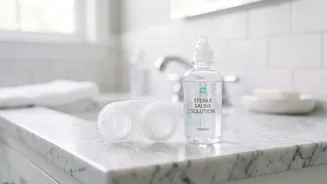
Proper hygiene is the best defense against eye infections. Always wash and dry your hands thoroughly before handling your lenses. Use only the disinfecting solution recommended by your eye doctor. Each time you remove your lenses, 'rub and rinse' them with fresh solution before storing them. Never 'top off' old solution in the case; always discard the used liquid and refill with fresh solution. Your lens case should also be rinsed with solution (not water), wiped dry, and stored upside down with the caps off. Be sure to replace your case at least every three months to prevent a buildup of germs.