

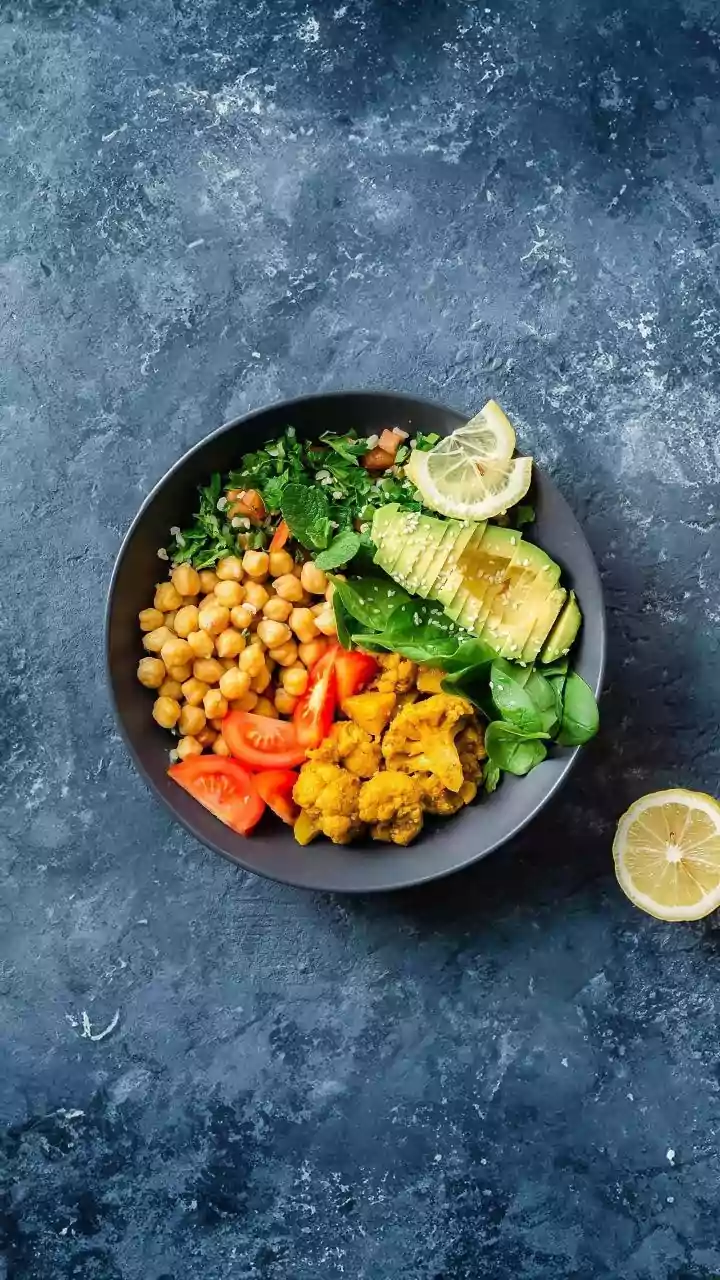




Beyond Calories: What Is Dietary Diversity?
For decades, India’s focus has been on food security, ensuring people have enough to eat. This was a monumental achievement, but nutrition is more complex than just filling stomachs. Dietary diversity is about the quality and variety of what we consume.
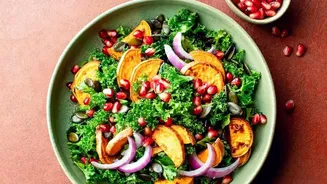
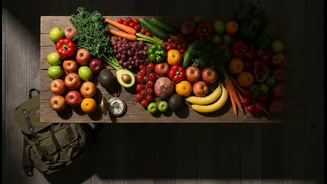
The National Institute of Nutrition (NIN) recommends a plate that includes a mix of cereals, pulses, fruits, vegetables, and dairy or animal products. This variety provides the essential micronutrients—vitamins and minerals—that staple grains like rice and wheat alone cannot supply. However, Indian diets are overwhelmingly cereal-based. This leads to a 'triple burden' of malnutrition: undernutrition from a lack of essential nutrients, overnutrition from excess calories leading to obesity and diseases like diabetes, and 'hidden hunger' from widespread micronutrient deficiencies.
The Real Cost of a Healthy Thali
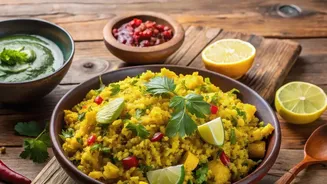
The greatest barrier to achieving a diverse diet is affordability. According to a July 2026 UN report, a healthy diet in India costs an estimated 4.11 purchasing power parity dollars (around ₹340) per person, per day. This figure starkly contrasts with the daily earnings of a vast portion of the population. Studies have shown that over three-quarters of Indians simply cannot afford a diet that meets the recommended standards for nutritional adequacy. Even a basic vegetarian meal, or 'thali', that meets minimal guidelines—excluding important items like fruits and leafy greens—can be a significant daily expense for a family. When household budgets are tight, the first items to be compromised are often the most nutritious, as families prioritise cheaper, energy-dense staples to ensure no one goes hungry.
The Inflation Squeeze
Food price inflation tightens this economic vise. When the cost of vegetables, pulses, or milk rises, families are forced into making difficult trade-offs. These price hikes disproportionately harm low-income households, particularly in rural areas, where food can account for nearly half of all spending. The decision becomes whether to buy a smaller quantity of expensive vegetables or to substitute them with more rice or wheat. This economic pressure means that even if a family understands the importance of a varied diet, they lack the financial stability to maintain it consistently. As a result, dietary diversity becomes a luxury rather than a daily practice, undermining the potential for lasting nutritional benefits. The gap between stagnant wages and rising food costs makes this a persistent crisis for many households.
Generational Consequences of a Poor Diet
The inability to afford a diverse diet has profound and long-lasting health consequences. For children, it can lead to stunted growth and impaired cognitive development, with fewer than 10% of children in India receiving a 'Minimum Adequate Diet'. For adults, it contributes to widespread deficiencies in iron, zinc, and Vitamin A, leading to issues like anaemia and weakened immunity. Furthermore, diets high in refined carbohydrates and low in fibre and essential nutrients are a key driver of the escalating crisis of non-communicable diseases (NCDs) such as diabetes and hypertension. This creates a vicious cycle, where poor nutrition leads to poor health, which in turn can lead to higher medical expenses and reduced earning capacity, further constraining the household budget.