







Confirm the Source of the Information
The first step in verifying any claim is to check its origin. Was the announcement made through an official government press release or the verified social media account of a minister? In this case, Andhra Pradesh's Tourism Minister, Kandula Durgesh,
announced the initiative after signing a Memorandum of Understanding (MoU) with a travel technology company called Explurger. This makes the basic claim legitimate. However, be wary of information shared through unverified social media accounts or forwarded WhatsApp messages, which can exaggerate details. Always look for reports from reputable news organisations that cite official sources. An official announcement is a strong starting point, but it's just the beginning of the story.
Distinguish Between a Plan and a Reality
A common point of confusion is the difference between an announcement and a full-scale rollout. The agreement states that the 'NiVU AI' platform will be deployed across more than 100 tourist destinations over the next three years. However, the rollout is phased. In the first year, the service will only be available at 30 major locations, following a pilot project in Mangalagiri. So, while the plan is ambitious, the AI assistant won't be available everywhere in Andhra Pradesh immediately. Claims suggesting the service is already active across the entire state are premature. Understanding the timeline helps manage expectations and prevents the spread of misinformation about its current availability.
Scrutinise the 'Multilingual' Claim
The claim that the AI supports over 130 languages is a major feature. While impressive, it's important to ask what 'support' means. Does it offer fluent, context-aware conversations in all these languages, including regional dialects? Or is it a more basic translation service? The Tourism Minister noted he personally tested the platform in Telugu and found it accurate and respectful. However, the performance across all 130 languages, especially those with smaller user bases, is yet to be independently verified. AI language models can sometimes struggle with nuance and local dialects. True capability will only be clear once tourists from diverse linguistic backgrounds begin using the service extensively and sharing their experiences.
Understand the Technology's Functionality
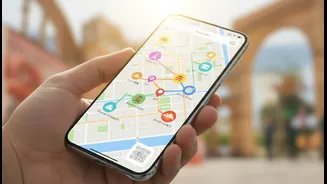
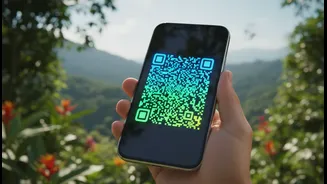
The service is designed to be user-friendly: tourists can scan a QR code at a site to interact with the AI through voice or text without downloading an app. The AI will provide information on the history, culture, and significance of tourist spots. It's also intended to provide the tourism department with real-time data on visitor patterns and language preferences, which can help with future planning. It’s important to understand that this is primarily an informational guide. While incredibly useful, it's not a booking platform or a full-fledged travel agent. Knowing what the AI is designed to do—and what it is not—helps form a realistic picture of its utility for travellers.
Look for Independent Reviews, Not Just Announcements
Official announcements and partner company statements will always present the technology in the best possible light. The real test comes from independent users and tech reviewers. As the platform rolls out to the initial 30 locations, look for reviews from journalists, travel bloggers, and regular tourists who have used it. Did it work as advertised? Was the information accurate? How well did it handle different languages and accents? These first-hand accounts are crucial for a balanced view. While the initial pilot at Mangalagiri was deemed successful, broader public feedback will be the ultimate measure of its effectiveness and whether the grand vision translates into a genuinely helpful tool for every visitor.