






More Than Just a Fastener
Cufflinks are fundamentally functional, designed to secure the cuffs of a dress shirt. But their role extends far beyond simple utility. First appearing in the 1600s and gaining popularity among European royalty, they replaced simple ribbons and strings,
evolving into symbols of status and taste. By the 19th century, the Industrial Revolution made them accessible to the rising middle class, cementing their place as a staple of a gentleman's wardrobe. Today, choosing to wear cufflinks is a deliberate style choice. It signals an attention to detail and an appreciation for the finer points of dressing well. It’s an opportunity to inject personality into a formal or business ensemble, transforming a standard uniform into a statement of personal style.
The Necessary Foundation: French Cuffs
Before diving into cufflink styles, it’s crucial to understand the shirt they pair with. Cufflinks cannot be worn with just any dress shirt; they require a specific type of cuff. The most traditional and ideal option is the French cuff, also known as a double cuff. This cuff is longer than a standard one and is meant to be folded back on itself, creating two layers of fabric. The holes on each side of the cuff then align, ready to be secured by a cufflink. Some shirts feature 'convertible cuffs', which have both a standard button and an extra buttonhole, giving you the option to wear them with or without cufflinks. For the most polished and classic look, however, the French cuff remains the gold standard, providing the perfect canvas to showcase your chosen accessory.
A Guide to Cufflink Mechanisms
Cufflinks come in several designs, each with a different fastening mechanism. The most common type is the 'bullet back' cufflink, which features a small, bullet-shaped cylinder that toggles 90 degrees to secure it. Similarly, 'whale back' cufflinks have a flat, solid piece that flips parallel to the post for easy insertion. For a more traditional feel, 'chain link' styles connect two decorative faces with a short chain, offering a looser fit. 'Stud' or 'button' style cufflinks are fixed, with no moving parts, making them very durable but sometimes trickier to fasten. Lastly, 'silk knot' cufflinks, which are made of fabric, are a more casual and colourful option, perfect for less formal settings.
Choosing the Right Material
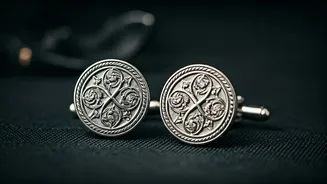
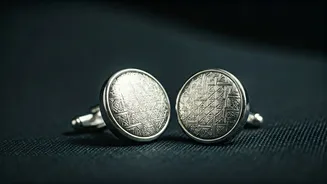
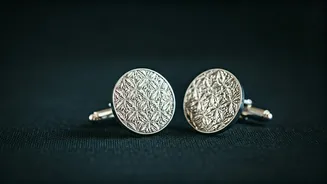
The material of your cufflinks says a lot about the occasion and your personal style. Classic metals are a can't-miss choice. Silver is versatile and modern, pairing well with almost any suit and shirt combination. Gold, whether yellow, white, or rose, adds a touch of warmth and traditional luxury. For black-tie events, formal designs in silver or gold, perhaps with an inlay of onyx or mother-of-pearl, are considered the pinnacle of elegance. Stainless steel and titanium offer durability and a contemporary feel, while enamel cufflinks provide an opportunity to introduce colour. For more creative or casual looks, materials like wood or fabric can add a unique and personal touch.
The Art of Styling
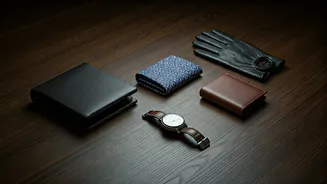
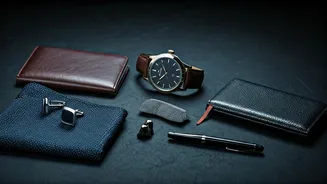
The final step is integrating cufflinks seamlessly into your outfit. A simple rule of thumb is to coordinate the metal of your cufflinks with your other accessories, such as your watch, belt buckle, or tie bar. This creates a cohesive and polished look. For formal occasions like weddings or black-tie events, it's best to stick to classic, understated designs. In a business setting, you can afford to be a bit more expressive with subtle patterns or coloured enamel. If your shirt or tie has a bold pattern, opt for simpler cufflinks to avoid clashing. Conversely, a simple, solid-coloured shirt can be the perfect backdrop for a more distinctive or novelty cufflink that showcases your personality. The key is balance; the cufflink should complement your outfit, not overpower it.