



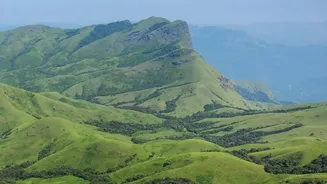
The Maharashtra Route: Satara to Mahabaleshwar
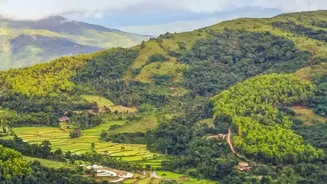
The drive from Satara to Mahabaleshwar is a journey through the heart of the Sahyadri mountains. After the rains, this region is at its most vibrant. The route, easily accessible from Mumbai and Pune, becomes a spectacular showcase of seasonal waterfalls
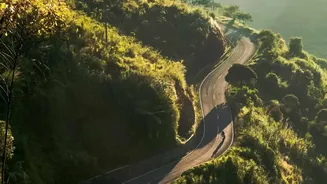
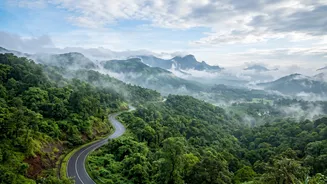
and plateaus carpeted in wildflowers. The drive itself is the main attraction, with winding ghat roads offering panoramic views of lush valleys. The post-monsoon period, from September to October, is ideal, as the landscape is still intensely green but the heavy downpours have subsided, making for safer driving conditions. This drive is perfect for those who love dramatic landscapes, historical forts, and the charm of old-school hill stations.
Key Stops on the Satara-Mahabaleshwar Drive
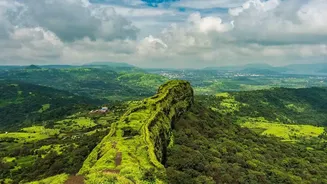
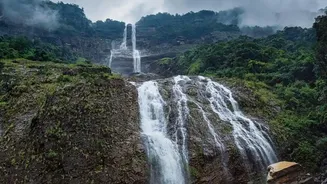
Your journey should include several breathtaking stops. Just outside Satara, Thoseghar Falls is a series of thunderous waterfalls that are at their peak during and immediately after the monsoon. A short detour will take you to the Kaas Plateau, a UNESCO World Heritage site famous for its unique ecosystem where thousands of flowers bloom post-monsoon, creating a stunning natural tapestry. As you climb towards Mahabaleshwar, historic Pratapgad Fort offers a glimpse into Maratha history and commands incredible views of the Konkan valleys. In Mahabaleshwar itself, viewpoints like Arthur's Seat and Elephant's Head Point provide dramatic vistas of the cloud-filled valleys below, while a boat ride on the serene Venna Lake is a must-do.
The Karnataka Route: The Misty Hills of Coorg
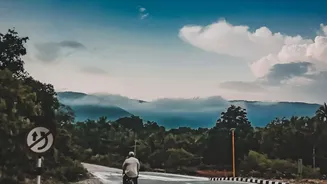
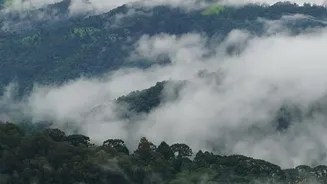
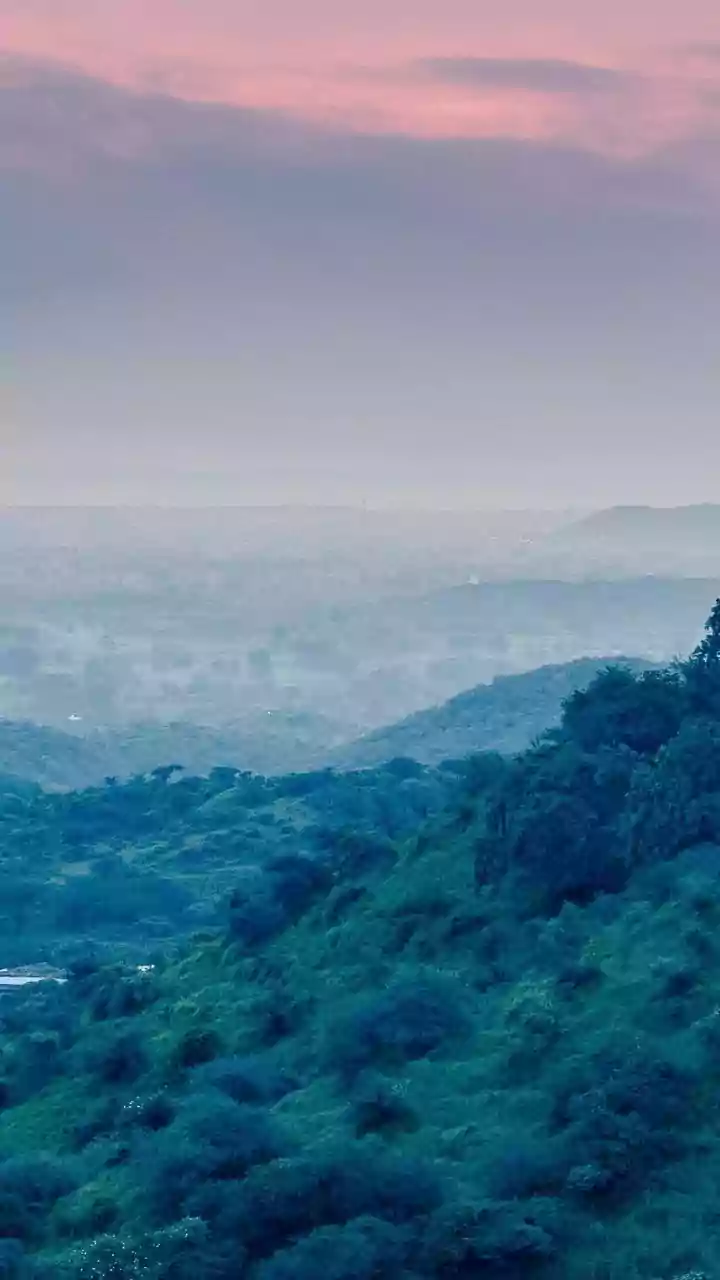
Further south, the post-monsoon experience in Coorg (Kodagu) is a different kind of magic. Known as the 'Scotland of India', this region is defined by its rolling hills covered in coffee and spice plantations. After the rains, the air is crisp and filled with the aroma of wet earth and fresh coffee blossoms. The entire landscape is swathed in a gentle mist, giving it an ethereal, tranquil quality. The drive into Coorg, typically from Bengaluru, Mysuru, or Mangalore, takes you through well-maintained highways that gradually transition into winding hill roads. This route is for those seeking a serene escape into nature, with a focus on plantation life, gentle treks, and cultural immersion.
Must-Dos in Post-Monsoon Coorg
In Coorg, the post-monsoon season brings its waterfalls to life. Abbey Falls, cascading down rocky slopes amidst private coffee estates, is a spectacular sight. Raja's Seat in Madikeri, a favourite spot of the Kodagu kings, offers stunning panoramic views of the mist-laden valleys, especially at sunrise and sunset. No trip to Coorg is complete without a tour of a coffee plantation, where you can walk through the estates and learn about the bean-to-cup process. For a touch of culture, visit the Namdroling Monastery in Bylakuppe, a large Tibetan settlement near Kushalnagar, which offers a peaceful and colourful counterpoint to the green landscapes.
Essential Post-Monsoon Driving Tips
Driving in the Western Ghats after the monsoon requires caution, even though the heaviest rains are over. Ensure your vehicle is in top condition, with special attention to tyres, brakes, and wipers. Roads can still be slippery from lingering moisture, and patches of fog can reduce visibility, so drive at a moderate speed and avoid sudden braking. It's wise to start your journey early to maximize daylight hours. Landslides can occasionally occur even after the main monsoon season, so it’s always a good idea to check local road conditions before you set out. Pack layers of clothing, a waterproof jacket for unexpected showers, and a reliable navigation tool.