
What Exactly Is Edible Yield?
In the culinary world, 'yield' refers to how much usable food you get from an ingredient after it has been prepared. It's usually expressed as a percentage of the original 'as-purchased' weight. For example, if you buy one kilogram of bananas, the edible
yield is what's left after you discard the peels. For bananas, the yield is about 66%, meaning 34% of the weight you paid for is the peel. This concept, known as edible product (EP) versus as-purchased (AP) weight, is crucial in professional kitchens for managing costs, but it's just as useful for the home cook. It forces you to consider what you're throwing away and what you're actually consuming.
Why Yield Matters: Cost, Nutrition, and Waste
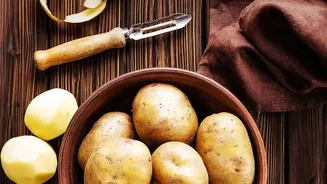
Thinking about edible yield has three main benefits. The most obvious is cost. When you peel a potato, you lose about 20% of its weight. For carrots, it can be over 30%. That's a significant portion of the food you've paid for going straight into the bin. Beyond cost, there's a major nutritional component. For many fruits and vegetables, the peel is a powerhouse of nutrients, containing a high concentration of vitamins, minerals, and antioxidants. By peeling them, you could be discarding the healthiest part. For instance, an apple peel contains significantly more Vitamin K and A than the flesh. Finally, considering yield makes you more mindful of food waste. Those peels and trimmings add up, contributing to the household waste that has a broader environmental impact.
The Powerful Case for Keeping the Peel
The nutritional argument for not peeling is very strong. The skin of a fruit or vegetable is its first line of defense against the elements, and so it's packed with protective compounds like antioxidants and phytochemicals. Studies show that antioxidant levels can be up to 328 times higher in fruit peels than in the pulp. Peels are also incredibly rich in fibre. Up to 31% of the total fibre in a vegetable can be found in its skin. This fibre helps you feel fuller for longer, aids digestion, and can help manage appetite. A boiled potato with its skin can have 175% more Vitamin C and over 100% more potassium, folate, and magnesium than its peeled counterpart. Even tomato skins, which are often removed for sauces, contain high levels of lycopene, a potent antioxidant.
When Peeling Is the Right Choice
Of course, there are times when peeling is necessary or preferable. Some peels are genuinely inedible, tough, or bitter, such as those on pineapples, melons, onions, and citrus fruits. Texture is another key reason. For silky smooth soups, purées, or sauces, peeling vegetables is often essential to achieve the desired consistency. Personal preference and tradition also play a role; some people simply dislike the texture or taste of certain peels. A major concern for many is pesticide residue. While thoroughly washing produce under running water and using a stiff brush can remove a significant amount of surface pesticides, peeling is considered the most effective way to eliminate residues that may have been absorbed into the skin. For those particularly concerned about pesticides, choosing organic produce or peeling non-organic items can provide peace of mind.
A Quick Guide to Common Produce
So, what's the verdict on some of our most common kitchen staples? Potatoes: Keep the skin. Potato peels are packed with fibre, vitamins, and minerals. A good scrub is all they need before cooking. Carrots: Your choice. Peeling carrots can remove any bitterness and dirt, but you lose a lot of nutrients near the surface. A thorough wash and scrub can be enough, especially for fresh, young carrots. Apples: Keep the skin. Apple peels contain a huge percentage of the fruit's vitamin K, vitamin A, and fibre. Losing the peel means losing major benefits. Cucumbers: Keep the skin. The dark green peel is full of antioxidants and fibre. If the cucumber has a thick, waxy coating, you might choose to peel it, but for most varieties, a wash is sufficient. Tomatoes: Keep the skin. Unless you're making a very fine sauce where texture is paramount, leaving the skin on retains valuable lycopene and other vitamins. Citrus (Oranges, Lemons): Peel, but use the zest. The peel itself is bitter and hard to eat, but the zest contains incredible flavour and aromatic oils. Zest the fruit before peeling and juicing to capture those benefits.