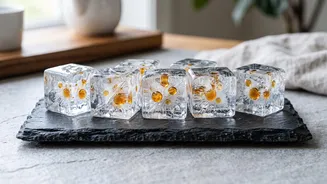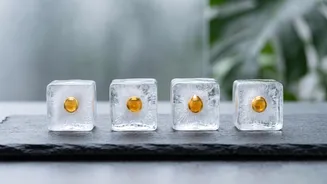






The latest social media skincare hack promises the benefits of two powerhouse treatments in one: the depuffing magic of ice and the anti-ageing prowess of retinol. But before you freeze your favourite serum, dermatologists are raising a major red flag.
The Chilling Truth About Direct Ice Application
Applying ice directly to the skin, a practice often called 'skin icing', has gone viral for its ability to temporarily reduce puffiness and give the skin a rosy glow. The cold constricts blood vessels, which can make pores appear smaller and reduce swelling. However, prolonged contact with freezing temperatures can do more harm than good. When ice touches bare skin, it can cause a condition similar to a burn, sometimes called an 'ice burn' or 'frostbite'. This happens because the extreme cold can damage the structure of your skin cells and disrupt your skin's protective barrier, leading to redness, pain, itching, and even blistering. Experts strongly advise against placing ice directly on your face, recommending instead that you wrap it in a soft cloth to create a protective buffer.
Understanding Retinol: Potent but Prickly
Retinol, a derivative of Vitamin A, is a gold-standard ingredient in dermatology for good reason. It's proven to accelerate cell turnover, boost collagen production, and improve the appearance of fine lines and uneven skin tone. But its power comes with a catch: retinol is notoriously unstable and can be irritating, especially for first-time users or those with sensitive skin. Side effects often include dryness, peeling, and redness as the skin adjusts, a process sometimes called 'retinization'. Because it's such a potent active, it must be introduced into a skincare routine carefully, starting with low concentrations and infrequent use.
A Volatile Combination: Freezing and Retinol
This is where the DIY trend really gets risky. Retinol is a highly sensitive molecule that degrades quickly when exposed to light, air, and heat. While less is documented about extreme cold, the process of freezing a complex skincare formula at home is uncontrolled. Adding water to a retinol serum to create an ice cube dilutes the product and can disrupt the preservative system, but the primary concern is the ingredient's stability. More importantly, you are combining a chemically irritating ingredient with a physically damaging application method. You are essentially attacking the skin barrier from two different angles.
The Double_Edged Sword on Your Skin
When you rub a retinol_infused ice cube on your face, you're not just getting a cooling sensation. You're exposing your skin to potential ice burn while simultaneously applying a powerful active that is known to cause irritation on its own. This can overwhelm the skin's barrier, leading to significant inflammation, increased redness, and severe dryness or peeling. For those with already sensitive conditions like rosacea or eczema, this combination can trigger a major flare_up. Instead of a healthy glow, you could be left with compromised, painful skin that will take time to heal.
Safer Ways to Get the Glow
You can still enjoy the benefits of both cold therapy and retinol—just not at the same time and in the same product. For safe facial cooling, dermatologists recommend wrapping an ice cube in a thin cloth or using a dedicated ice roller, keeping it in constant motion and not applying it for more than a minute or two at a time. This provides the depuffing benefits without the risk of an ice burn. As for retinol, stick to professionally formulated products. These are created by cosmetic chemists to ensure the retinol is stable and effective, often using encapsulation technologies to deliver the active ingredient gently and protect it from degradation. Always follow the product’s instructions and apply it to clean, dry skin as part of your evening routine.