





Why Rigid Meal Plans Often Fail
Meal planning promises to save time, reduce stress, and promote healthier eating. Yet, many meticulously crafted plans end up abandoned. The primary reason is that life is unpredictable. A late meeting, a surprise dinner invitation, or a simple change
in appetite can derail a rigid schedule. This can lead to an all-or-nothing mindset, where one deviation makes you feel like the whole week is a failure. Strict plans don't teach you core cooking skills; they just provide a script. When the script no longer fits the scene, frustration and food waste often follow. The goal isn't to ditch planning, but to make the plan a flexible guide, not a set of unbreakable rules.
Think in Categories, Not Just Ingredients
The secret to confident substitutions is to stop seeing a recipe as a fixed list of items and start seeing it as a combination of categories. A typical savoury dish includes aromatics (onion, garlic), a protein (chicken, beans), vegetables (broccoli, peppers), a starch (rice, pasta), fat (oil, butter), and seasonings. Once you understand this structure, you unlock endless possibilities. The recipe calls for onions, but you only have shallots or the green part of a leek? No problem, they all serve as aromatics. This mindset shift is the foundation of becoming an adaptable cook who can roll with the punches of a half-empty fridge.
Smart Swaps for Vegetables and Greens
Vegetables are often the easiest and most forgiving ingredients to substitute. A good rule of thumb is to swap like for like. Leafy greens can typically be used interchangeably; if a recipe calls for spinach, you can likely use kale, chard, or bok choy, though you may need to adjust cooking times. Tougher greens like kale need more wilting time than delicate spinach. Similarly, firm, sweet root vegetables like carrots can be replaced with parsnips or sweet potatoes. Broccoli and cauliflower are close cousins and can stand in for one another in stir-fries, roasts, and soups. The key is to consider texture and cooking time. A dense potato will take longer to cook than a watery zucchini.
Making Your Protein Work for You
Protein is the heart of many meals, and it’s more interchangeable than you might think. Ground beef, turkey, chicken, or even plant-based crumbles can often be swapped in equal measure in dishes like pasta sauce, tacos, or chili. For whole cuts, consider the cooking method. A recipe for pan-seared chicken breast can work just as well with thin pork chops. In a stew, beef chunks can be replaced with lamb or even hearty mushrooms for a vegetarian version. Canned beans, like chickpeas or kidney beans, are fantastic, inexpensive protein sources that can be added to or substituted in many dishes to make them more filling.
Your Pantry: The Ultimate Support System
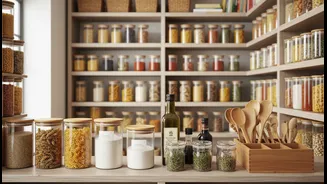
A well-stocked pantry is your best friend for flexible cooking. It’s the safety net that allows you to whip up a meal even when fresh ingredients are scarce. Essential categories to keep on hand include grains (rice, pasta, oats), canned goods (tomatoes, beans, coconut milk), and flavor builders (broths, oils, vinegars). A robust spice rack is also non-negotiable. It’s what transforms basic ingredients into a delicious meal. With a solid pantry, a recipe calling for fresh tomatoes can be made with a can of diced tomatoes, or a bland soup can be rescued with a splash of vinegar and a sprinkle of dried herbs. Think of it as your toolkit for culinary improvisation.