



A Quest for Authenticity
In a world of globalised trends, many young Indians are seeking a deeper connection to their roots and local environment. This has sparked a renewed appreciation for items that feel genuine and hold cultural significance. Native flowers, which have been
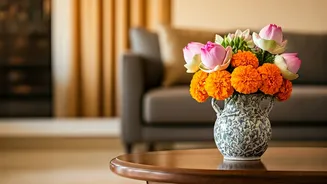
part of Indian rituals and daily life for centuries, fit this desire perfectly. Choosing a string of fragrant jasmine or a vibrant marigold over an imported lily is a small but meaningful way to embrace local heritage. These flowers are not just decorations; they are a nod to cultural identity, evoking a sense of nostalgia and belonging that mass-produced bouquets often lack. This shift is part of a larger movement towards conscious consumerism, where the story and origin of a product matter just as much as its appearance.
The Eco-Conscious Choice
Sustainability is a major driver for today's young consumers. The conventional flower industry often involves a significant carbon footprint, with blooms being flown across continents and grown using extensive pesticides and temperature-controlled greenhouses. In contrast, native flowers are naturally adapted to the local climate and soil. They require less water, fewer chemicals, and support local pollinators like bees and butterflies, which are crucial for a healthy ecosystem. By opting for locally sourced, seasonal flowers, professionals are making an environmentally responsible choice that reduces waste and promotes biodiversity. This aligns with a growing awareness of personal environmental impact and the desire to support more sustainable agricultural practices.
A Daily Dose of Wellness
The pressures of a demanding career can take a toll on mental well-being. Young professionals are increasingly turning to simple, daily practices to manage stress and anxiety. Scientific research has shown that the presence of flowers can have a significant positive impact on mental health. Studies reveal that having flowers in the home can reduce feelings of stress and anxiety, boost mood, and increase feelings of life satisfaction. The simple act of arranging flowers or even just having them in view can be a form of mindfulness, providing a welcome distraction from work pressures and digital fatigue. Their natural beauty and fragrance create a calming atmosphere, transforming a home into a more restorative sanctuary.
Redefining Home Aesthetics
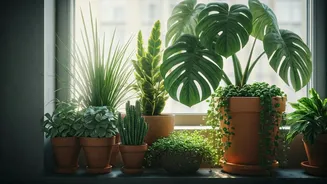
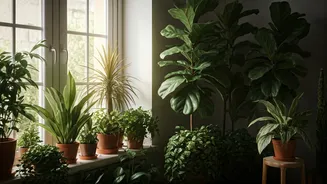
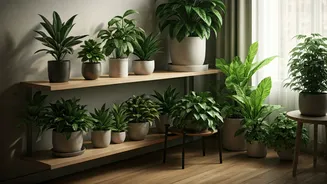
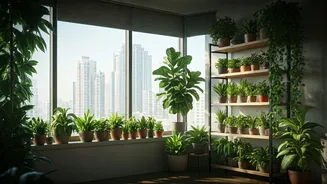
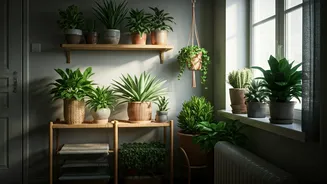
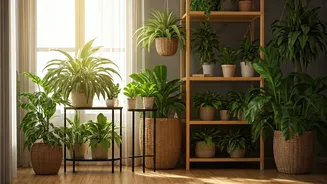
The preference for native flowers also reflects evolving interior design trends. The rustic, natural, and sometimes imperfect look of local blooms complements the modern aesthetic favoured by many young people, which often includes minimalist, bohemian, or eco-chic elements. Unlike the uniform perfection of many commercially grown roses or tulips, native flowers offer a unique and organic charm. The rise of "plant parents" and urban gardening, spurred by social media, has made greenery a central part of home decor. Native flowers are an extension of this trend, allowing individuals to create living spaces that feel personal, vibrant, and connected to the natural world in a way that is both stylish and meaningful.