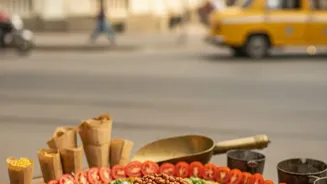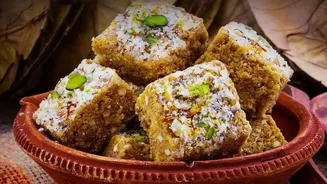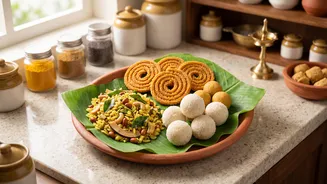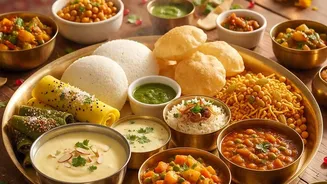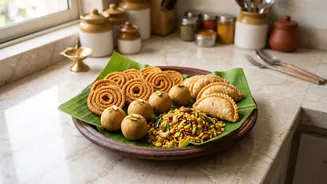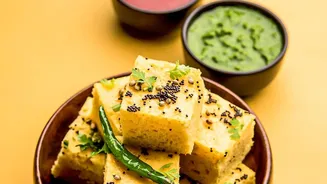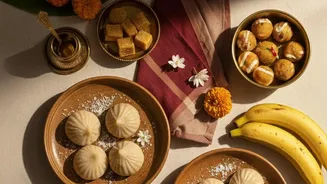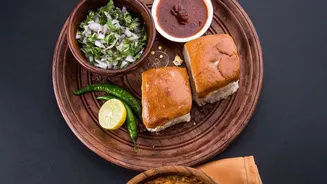





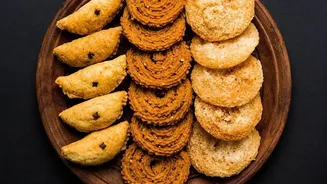
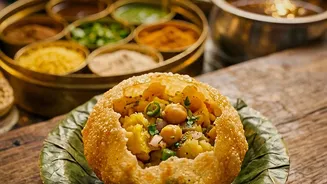

As Diwali approaches, the aroma of chakli, karanji, and shankarpali fills many homes. But beyond tradition, a powerful economic shift is underway. The demand for authentic, home-cooked Maharashtrian faral is surging across India, creating a vibrant cottage
industry.
From Festive Tradition To Cottage Industry
Faral, the assortment of sweet and savoury snacks integral to Diwali in Maharashtra, has long been a symbol of community and celebration. Traditionally prepared at home for family and neighbours, this practice is now the foundation of a burgeoning micro-economy. A growing number of consumers across the country, tired of mass-produced snacks and seeking authentic, regional flavours, are driving this demand. This has enabled countless home cooks, primarily women, to transform their culinary skills into a viable business, especially during the festive season. What was once a gesture of goodwill is now a source of significant income for many households.
The Key Players And Economic Empowerment
The ecosystem of homemade faral is diverse. It includes individual home chefs who manage small-scale operations, as well as larger, more organised women's Self-Help Groups (SHGs). These groups have been particularly effective, allowing women to pool resources, scale production, and access larger markets. For many, this has led to financial independence. Some home chefs report monthly earnings upwards of ₹2 lakh during peak season, a significant income generated from their own kitchens. This trend is a powerful example of a cottage industry driving grassroots economic growth and empowering women who were previously confined to domestic roles.
Digital Platforms Fueling National Reach
The national expansion of this market would be impossible without technology. Social media platforms like Instagram and WhatsApp have become the primary growth engines, allowing home chefs to showcase their products, build a brand, and connect directly with customers across cities. These platforms eliminate the need for expensive retail space, significantly lowering the barrier to entry for aspiring entrepreneurs. Aggregator platforms that specifically list home chefs are also emerging, further expanding their reach into Tier-II cities and creating a more organised structure for this once-informal sector.
The Preference For 'Homemade' And 'Authentic'
A key driver of this economic trend is a distinct shift in consumer preference. Buyers are increasingly willing to pay a premium for snacks they perceive as healthier, fresher, and more authentic than commercial alternatives. The appeal lies in traditional recipes, quality ingredients, and the absence of preservatives often found in store bought products. This trust in the 'home kitchen' gives small scale producers a competitive edge over larger brands, creating a loyal customer base that values quality over quantity.
Challenges Of Scaling And Sustainability
Despite the growth, scaling up presents significant challenges. Maintaining the 'homemade' quality and consistency that customers demand becomes difficult as order volumes increase. One entrepreneur, to meet orders for over 5,000 kg, had to move from a home kitchen to a dedicated industrial one. Other hurdles include sourcing high quality raw materials consistently, managing logistics for nationwide delivery, and navigating food safety regulations like FSSAI licensing. The rising cost of ingredients like edible oil, ghee, and sugar also puts pressure on pricing and profit margins, forcing producers to increase rates by 10–15%. Balancing growth with authenticity remains the central challenge for this emerging industry.