




The One-Pot Problem
In countless homes across India, the question of “how spicy?” can turn meal planning into a complex negotiation. Catering to a family member who craves a tongue-tingling curry while also feeding a child or partner who prefers milder flavors often feels
like it requires cooking two entirely separate meals. This is especially true for dishes like curries, dals, and stews, where the heat is traditionally cooked in from the start. The result is either a dish that’s too bland for some, too hot for others, or a tired home cook who has spent double the time in the kitchen. But there is a more harmonious way to approach cooking that keeps everyone happy without doubling the work.
Strategy 1: Master the Mild Base
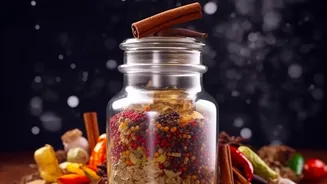
The foundation of this strategy is to build your dish on a flavorful but heat-free foundation. A “mild base” isn't a bland one; it is rich with aromatic, non-spicy ingredients. Think onions, garlic, ginger, turmeric, coriander, cumin, and garam masala. These spices provide depth, aroma, and complexity without any of the burn from chillies. Cook your main dish—be it a chicken curry, a lentil dal, or a vegetable korma—with this aromatic base. For instance, a basic curry can start with a paste of onion, ginger, and garlic, bloomed with powdered spices like turmeric and coriander. You would then add your tomatoes, coconut milk, or water and let the main ingredients simmer until cooked through. The key is to hold back any red chilli powder, fresh green chillies, or hot spice blends until the very end. This ensures the core dish is delicious and accessible to everyone.
Strategy 2: The Power of Flexible Finishes
Once your mild base is ready, the real magic happens. “Flexible finishes” are the tools you use to customize each individual serving. This approach turns the dining table into a creative, interactive space where each person can tailor their plate to their own preference. Instead of adding heat to the entire pot, you empower the spice-lovers to add it themselves. This method is not only practical but also used in many culinary traditions that feature communal eating. By separating the base flavor from the intense heat, you preserve the integrity of both and allow for a more personalized dining experience.
A Topping Bar for Every Meal
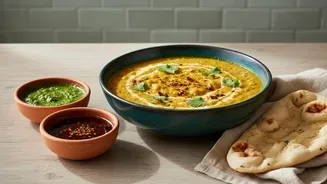
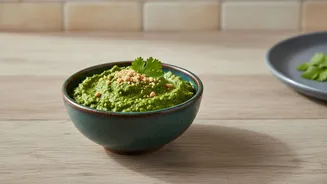
Think of your flexible finishes as a topping bar. For those who want more heat, the options are plentiful. A small bowl of finely chopped fresh green chillies and coriander is a classic. A tadka or tempering of oil with mustard seeds, dried red chillies, and curry leaves can be drizzled over individual portions. Other excellent choices include red chilli flakes, freshly cracked black pepper, or a favorite hot sauce or spicy pickle (achar). You can also prepare a simple, fiery chutney or a homemade chilli oil. Even spicy powders like a hot curry powder or cayenne can be offered on the side. For those who prefer it mild, a dollop of cooling yogurt or a squeeze of lime can add another layer of flavor without any heat.
Putting It All Into Practice
Let’s imagine you are making rajma (kidney bean curry). You would cook the beans with a standard masala of onions, tomatoes, ginger, garlic, coriander powder, and turmeric. Once cooked, you would divide it. For the mild eaters, it is ready to serve. For the heat seekers, you can add a pinch of hot red chilli powder to their portion and simmer for a minute, or simply offer a variety of spicy toppings at the table. This works for nearly any dish that can be served in a bowl. For taco or wrap nights, the concept is even simpler: cook a mild protein filling and lay out bowls of chopped jalapeños, spicy salsa, and hot sauce alongside the milder toppings like cheese, sour cream, and lettuce. The principle remains the same: cook a universally enjoyable base and let individuals add the final flourish.