





The Lush Gains of a Rainy Season Garden
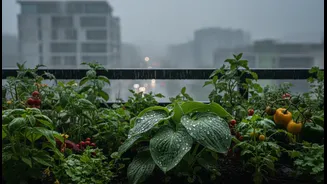
The monsoon is a golden season for balcony gardens. The cooler temperatures and increased humidity reduce stress on plants, while the naturally soft rainwater helps flush away chemical residues from potting soil, allowing roots to absorb nutrients more
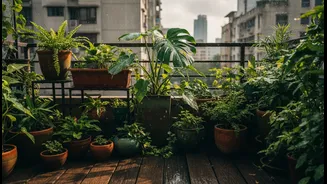
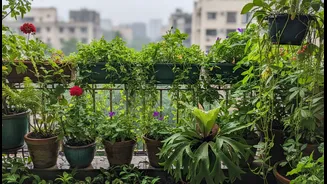
efficiently. This results in visibly healthier plants with richer colours and vigorous new growth. Beyond the aesthetics, a thriving balcony garden offers a daily connection with nature that can reduce stress and encourage quiet reflection. It becomes a tiny ecosystem, attracting butterflies and birds, and provides tangible benefits like improved air quality by capturing pollutants. There's nothing quite like the scent of rain mixed with fragrant flowers like jasmine or the joy of plucking fresh herbs for your kitchen.
What to Grow for Maximum Monsoon Joy
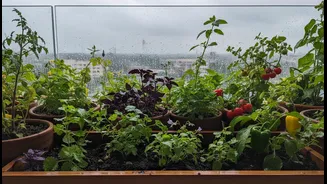
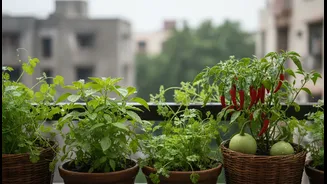
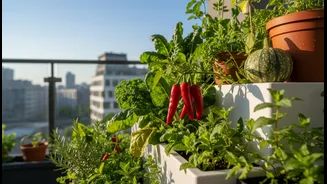
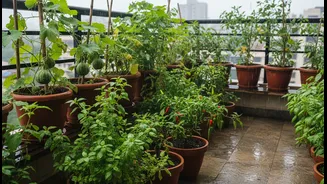
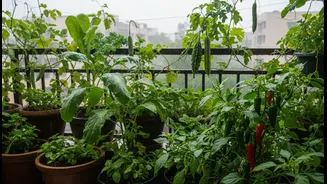
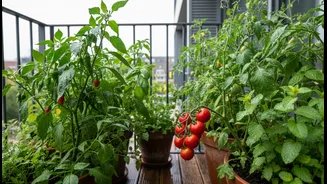
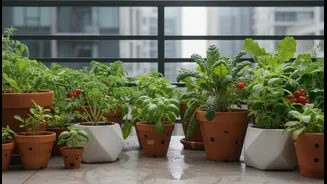
Choosing the right plants is key to a successful monsoon garden. Tropical flowers that adore humidity are a great choice. Hibiscus, for instance, bursts into large, colourful blooms, while jasmine and mogra fill the air with a sweet fragrance. Rain lilies are another favourite, often appearing overnight after a heavy shower. For those looking to create a kitchen garden, this is the ideal time. Herbs like mint, holy basil (tulsi), and lemongrass grow vigorously. You can also grow quick-germinating vegetables like spinach, okra (bhindi), and various gourds. The high moisture content in the air makes this the best season for propagating new plants from cuttings, allowing you to easily expand your garden.
The Pre-Planting Checklist for Renters
Before you start, especially if you are a renter, a few checks are essential. First, review your rental agreement or have a quick chat with your landlord. Some buildings have rules about hanging planters, drilling into walls, or the total weight allowed on the balcony. Balconies have weight limits, and a combination of large, water-soaked pots can add up quickly. Also, consider your neighbours. Ensure your watering routine and pot drainage don't lead to water dripping onto balconies below. Using trays or saucers under pots can help manage overflow, but these must be emptied regularly to prevent them from becoming breeding grounds for mosquitoes.
Avoiding Common Monsoon Pitfalls
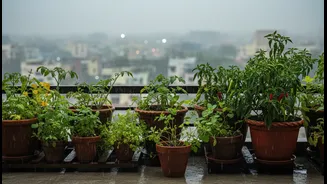
The monsoon's generosity can be misleading; it requires a different kind of attention. The biggest mistake is assuming you no longer need to water your plants. On covered balconies, many pots may remain surprisingly dry. Always check the soil’s moisture level before watering. Conversely, overwatering is a major risk, leading to root rot. Proper drainage is non-negotiable. Ensure every pot has clear drainage holes and consider placing them on elevated stands to prevent them from sitting in stagnant water. The high humidity also creates a perfect environment for pests and fungal diseases, which might appear as spots or patches on leaves. Regularly inspect your plants, remove any infected foliage promptly, and ensure good air circulation by not overcrowding your pots. Finally, be mindful of wind on higher floors, which can damage delicate plants or even topple unstable pots. Grouping pots together or securing taller plants can provide stability.