



Why the Monsoon is a Challenge for Fresh Food
The defining characteristic of the monsoon season, high humidity, is also the biggest enemy of fresh food. The elevated moisture in the air creates the perfect breeding ground for mould, yeast, and bacteria, causing food to spoil much faster than in drier
months. This process affects everything from the crispness of your vegetables to the shelf life of bread. Foods that would normally last a week might start to show signs of spoilage in just a day or two. This is why shifting your shopping strategy from large, infrequent hauls to smaller, more frequent trips is essential. It allows you to buy only what you need and ensure it remains fresh.
Leafy Greens: Inspect for Slime and Discolouration
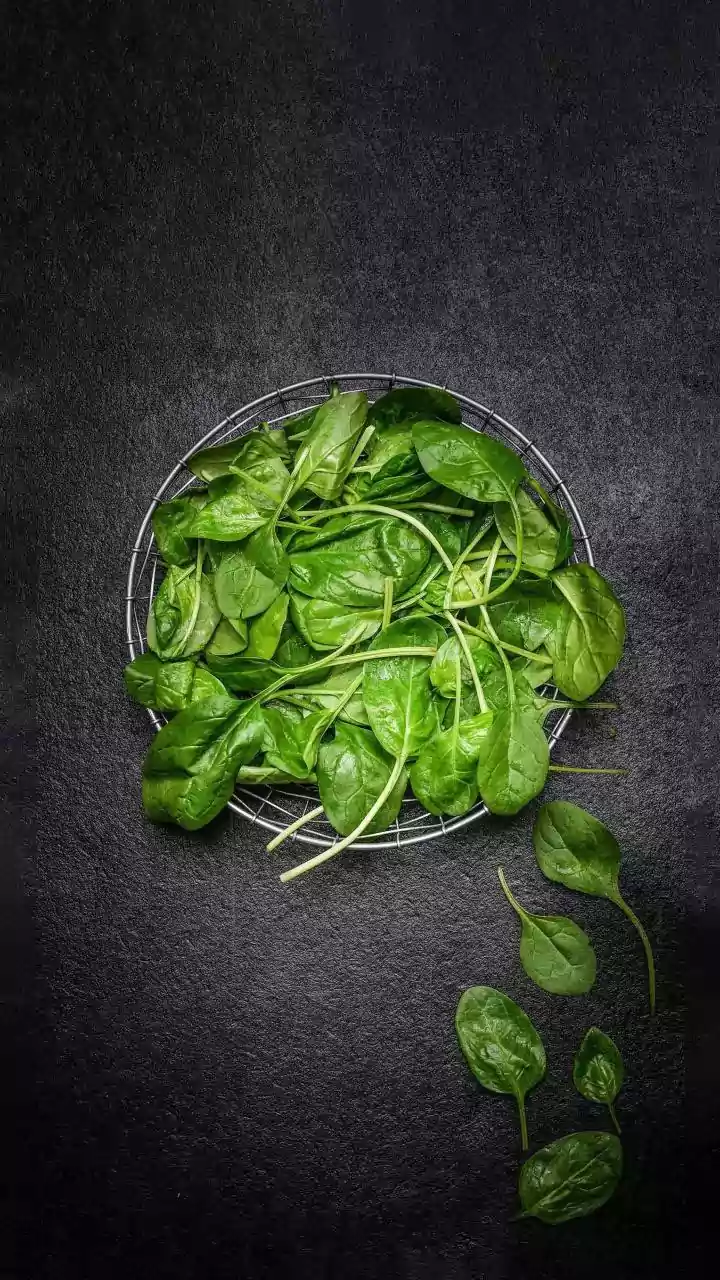
Leafy greens like spinach, coriander, and lettuce are particularly vulnerable during the monsoon because their high moisture content makes them spoil quickly. When buying, avoid pre-packaged greens if possible, as the plastic can trap moisture and accelerate decay. Look for leaves that are crisp and vibrant in colour. Yellowing, dark spots, or a slimy texture are clear signs of spoilage. Your nose is also a powerful tool; fresh greens should smell earthy and clean, not sour or unpleasant. It’s better to buy smaller bunches that you can consume within a day or two to guarantee freshness and avoid the risk of contamination.
Soft Fruits: The Gentle Press and Smell Test
Fruits with thin skins, such as berries, tomatoes, peaches, and plums, can ripen and rot with surprising speed in humid weather. Before purchasing, gently press the fruit. It should feel firm with a slight give, not mushy or hard. Check for any bruises, broken skin, or mould, paying close attention to the area around the stem, where decay often begins. A fresh, sweet aroma is a good indicator of quality, whereas a fermented or alcoholic smell suggests the fruit is past its prime. Buying fruits whole instead of pre-cut is always a safer bet, as cut surfaces expose the fruit to bacteria.
Paneer and Dairy: Trust Your Senses
Dairy products, especially fresh paneer, are highly perishable and their spoilage is accelerated by monsoon humidity. When buying paneer, the texture should be soft but firm and springy—not rubbery, hard, or overly crumbly. It should have a clean, milky-white or creamy colour. The most reliable indicator is the smell; fresh paneer has a mild, pleasant dairy aroma. Any hint of sourness means it has started to spoil. Always check the packaging date and opt for smaller blocks that you can use up quickly. Storing it properly in the refrigerator as soon as you get home is crucial.
Bread and Baked Goods: The Fight Against Mould
The warm, moist air of the monsoon is an open invitation for mould to grow on bread and other baked goods. Plastic bags, while keeping bread soft, can trap moisture and encourage mould. It’s wiser to buy smaller loaves more frequently. Before you buy, inspect the loaf carefully for any fuzzy spots of green, white, or black mould. The bread should feel soft, not soggy, and the crust should be intact. Storing bread in a cool, dry place like a bread box is better than leaving it on a humid kitchen counter.