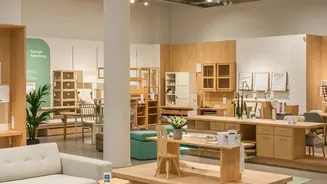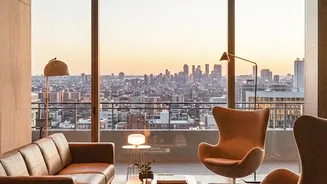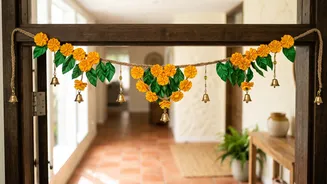




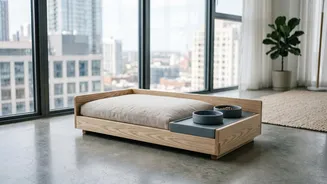
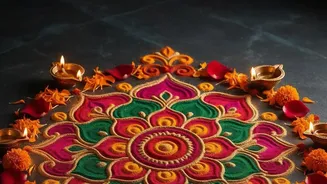

The modern Indian flat is a marvel of efficiency, but its clean lines can sometimes feel impersonal. In response, a growing number of urban dwellers are turning to artisanal decor to infuse these spaces with much-needed character and soul.
A Stand Against Sameness
As cities expand,
many new residential buildings offer apartments with similar layouts and finishes. This uniformity has created a strong desire for differentiation. Urban consumers are rejecting the catalogue look, where homes are filled with identical, mass-produced items. Instead, they are seeking out decor that feels unique and personal. Artisanal pieces, by their very nature, are not perfectly uniform; their subtle variations and imperfections are a mark of the human hand. This uniqueness allows homeowners to create a space that feels truly their own, a direct reflection of their personality rather than a pre-packaged trend.
The Quest for Authenticity and Stories
In an age of digital saturation and fast-paced living, there is a deep-seated craving for authenticity. An artisan-made piece comes with a narrative. It tells a story of the maker, the community they belong to, the region's cultural history, and the generations of skill passed down. Unlike a factory-made product, a handcrafted Dhokra sculpture or a hand-painted Madhubani canvas is imbued with meaning and emotion. Homeowners are no longer just buying an object; they are acquiring a piece of heritage and a conversation starter that enriches their living space. This act of curating decor becomes a form of self-expression and storytelling.
Connecting with Cultural Roots
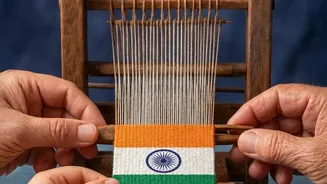
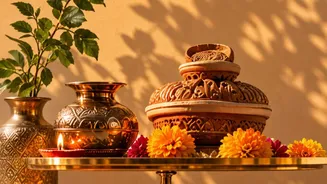
For many urban Indians, city life can feel disconnected from traditional roots. Incorporating artisanal decor is a powerful way to bridge this gap. Using items like terracotta pottery, handwoven textiles with traditional motifs like Ikat or Kalamkari, or carved wooden furniture helps to ground a modern home in Indian culture. This trend is not about creating a museum-like space but about a tasteful fusion of the old and the new, where heritage elements blend seamlessly with contemporary design. It's a way to celebrate and keep artistic traditions alive, making them relevant to modern lifestyles.
The Rise of Conscious Consumerism
Today's consumers are increasingly aware of the environmental and social impact of their purchases. The shift towards artisanal decor is closely linked to the rise of conscious and sustainable living. Many handcrafted goods are made using natural, locally sourced, and eco friendly materials like jute, bamboo, reclaimed wood, and clay. Furthermore, buying directly from artisan communities or platforms that support them provides fair wages and helps preserve invaluable craft skills that are threatened by industrial manufacturing. A survey found that around 84% of urban Indian consumers prefer sustainable products when given the choice, highlighting a significant shift in values. This makes the choice of a handmade item an ethical one, adding another layer of value beyond its aesthetic appeal.
Making a House a Home
Ultimately, the trend is about transforming a functional living space into a sanctuary. Modern design often prioritises minimalism and clean, uncluttered spaces. While this has its benefits, Indian minimalism is evolving to be a 'warmer' version, one that retains soulful accents. Artisanal pieces introduce texture, warmth, and personality, preventing minimalist interiors from feeling cold or sterile. A handwoven rug can soften a room, a brass idol can add a spiritual touch, and colourful textiles can bring vibrancy. These elements help create an environment that is not just stylish but also emotionally resonant and comforting—a place that truly feels like home.