







Mapping Your Mango Trail
India's mango season sweeps across the country from south to north as the temperatures rise. It typically begins in March in southern states like Karnataka and Kerala, moves to Maharashtra and Gujarat in April and May, and reaches its peak in northern
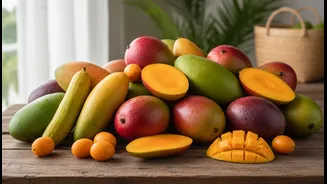
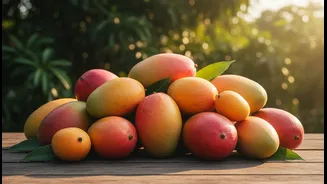
India, including Uttar Pradesh and Bihar, from June through August. This staggered timeline offers a wide window for planning your travels. Key mango destinations are spread across the country, each famous for specific varieties. The Konkan Coast of Maharashtra is home to the world-renowned Alphonso (Hapus). Gujarat's Gir region is famed for its sweet, saffron-hued Kesar mangoes. Head north to Uttar Pradesh, and you will find the legendary Dasheri in Malihabad and the Langra in Varanasi. West Bengal offers treasures like Himsagar and Fazli, while southern states boast popular varieties like Banganapalli and Totapuri.
Discovering Mango Festivals
Mango festivals are vibrant celebrations of the harvest, bringing together farmers, artisans, and mango lovers. These events are the perfect anchor for your travel plans. Major cities like Delhi and Lucknow host annual festivals that showcase hundreds of varieties. The International Mango Festival in Delhi, held annually since 1987, is a three-day event in early July where you can sample and buy rare mangoes from across the country. Similarly, Uttar Pradesh hosts a large mango festival in Lucknow, which in 2026 is scheduled over three days in early July to showcase the state's massive production. Haryana Tourism also organizes a 'Mango Mela' at Yadavindra Gardens in Pinjore, with the 2026 edition scheduled for July 10-12, featuring competitions, cultural programs, and a bustling market. Keep an eye on local tourism board websites and news for dates and smaller, regional festivals that offer a more intimate experience.
Beyond the Festival: Orchard and Farm Tours
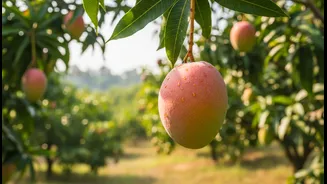
To truly connect with the source, venture beyond the festivals and into the orchards. A growing number of farms now welcome visitors for 'mango tourism' experiences. In Maharashtra's Ratnagiri and Devgad regions, you can find farm stays and 'agritourism' setups where you can walk through groves of Alphonso trees and learn about cultivation. Near Bangalore, farms like Chiguru offer guided tours during harvest season (April to June), allowing visitors to learn about organic farming, participate in plucking, and enjoy a farm-to-table meal. In Gujarat, you can explore farms around Junagadh to taste Kesar mangoes fresh from the tree, often with views of the nearby Gir wildlife region. Many of these tours need to be booked in advance, especially during the peak harvest months of May and June, so a little forward planning is essential.
Navigating the Bustling Local Markets
For an authentic, sensory-overloaded experience, no trip is complete without a visit to a local fruit market or 'mandi'. This is where you can witness the sheer scale and diversity of the mango trade. The Talala Gir Mango Market Yard in Gujarat is the biggest hub for Gir Kesar mangoes and a sight to behold during peak season. In Uttar Pradesh, Malihabad near Lucknow is synonymous with Dasheri mangoes, and its markets are a testament to its legacy as a 'mango capital'. When visiting these markets, engage with the sellers. They can often tell you about the unique characteristics of each variety, from the fibreless sweetness of a Himsagar to the tangy notes of a Totapuri. It's an opportunity to not only buy the freshest fruit at local prices but also to deepen your understanding of India's mango culture.
Crafting Your Sweet Itinerary
Start by picking a region based on your favourite mango variety or the time you plan to travel. Once you have a destination—be it the Konkan coast for Alphonso or West Bengal for Himsagar—look for farm stays or hotels that are located outside the main city centers to be closer to the orchards. Renting a car can provide the flexibility to explore rural areas and smaller markets at your own pace. Structure your days with a mix of activities. You could spend a morning on a guided orchard walk, an afternoon at a local mango festival, and the next day exploring a nearby historical site. Many mango-growing regions, like Ratnagiri, Junagadh, and Malda, are also rich in history and natural beauty, offering beaches, forts, and national parks to round out your trip. This approach turns a simple food trip into a comprehensive cultural and travel experience.