



What Is a Moon-Venus Meeting?
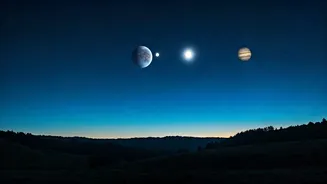
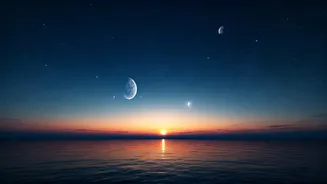
In astronomical terms, this beautiful event is called a conjunction. It’s an illusion of perspective. The Moon and Venus are, of course, millions of kilometres apart, but from our viewpoint on Earth, they appear to drift incredibly close to each other
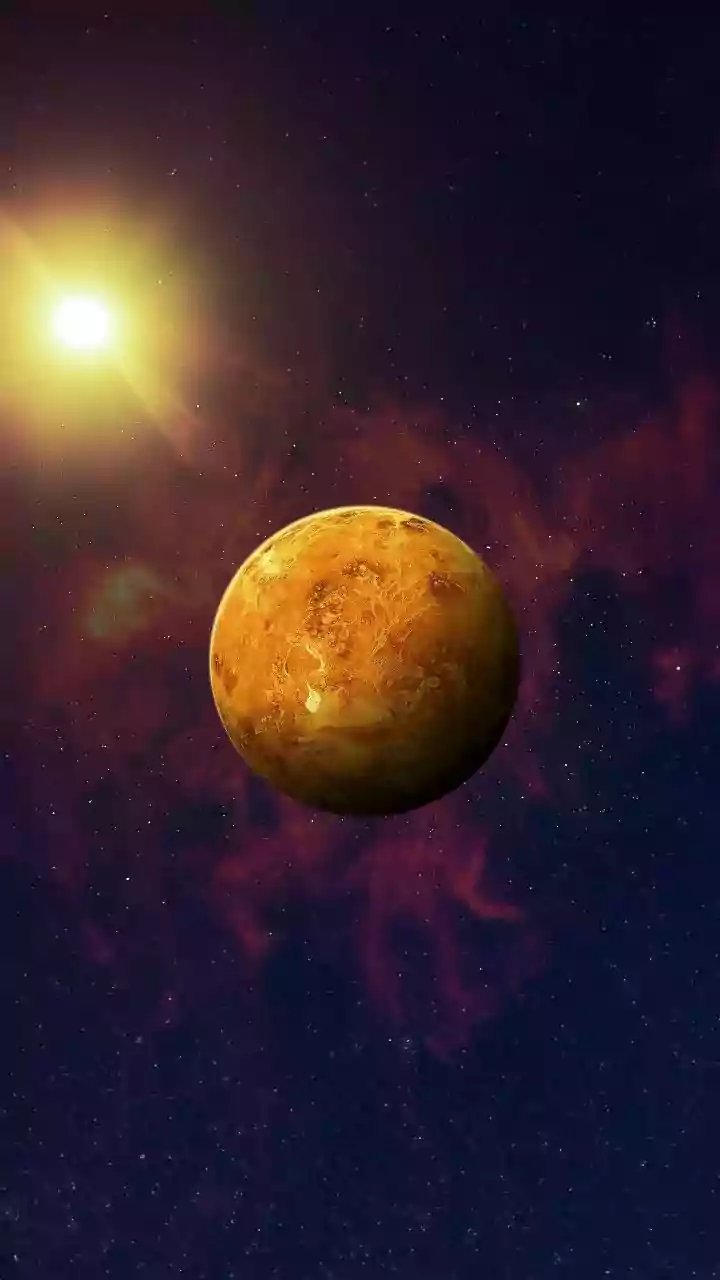
in the sky. Venus, often called the 'Evening Star' or 'Morning Star,' is the second-brightest object in the night sky after the Moon. When the slender crescent Moon cozies up to this brilliant planet, the sight is both delicate and dramatic. These conjunctions aren't exceedingly rare, but each one is a unique spectacle, offering a fresh chance to connect with the cosmos from your own backyard.
The Magic of the Twilight Hour
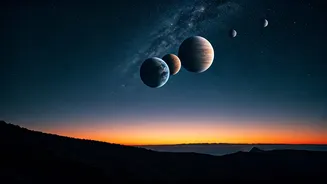
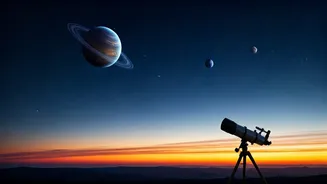
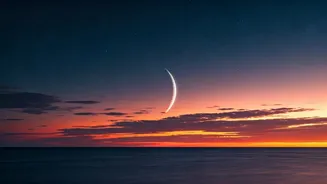
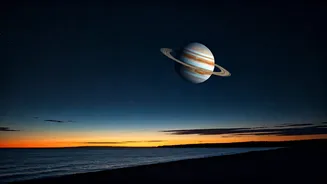
The headline's 'twilight atmosphere values' refers to the special quality of light and colour in the sky just before sunrise or just after sunset. This period is divided into the 'Golden Hour,' when the light is soft and warm, and the 'Blue Hour,' when the sky takes on a deep, sapphire hue. During a Moon-Venus conjunction, this backdrop is what elevates the scene from beautiful to breathtaking. The deep blue of the sky provides the perfect contrast for the silvery light of the Moon and the piercing brightness of Venus. The atmosphere is clear enough to see the celestial bodies, but there's enough ambient light to gently illuminate the landscape, creating a scene full of depth and mood that is perfect for both viewing and photography.
Your Viewing Guide for India
Timing is everything. Conjunctions involving Venus happen close to the Sun in our sky, so they are only visible for a short window during twilight. **When to Look:** Check an astronomy app or website like Stellarium or Time and Date for the exact date of the next conjunction. Look to the west about 30-90 minutes after sunset for an evening event, or to the east about 30-90 minutes before sunrise for a morning one. **Where to Look:** Find a location with an unobstructed view of the horizon. In cities like Mumbai, Delhi, or Bengaluru, this can be a challenge. A rooftop terrace, a park with a clear western or eastern view, or a spot along a riverfront or coastline is ideal. The key is to get away from the direct glare of streetlights and tall buildings that block the low-hanging sky.
Tips for Naked-Eye Viewing
You don't need any special equipment to enjoy this show. In fact, some of the most profound experiences come from simply watching. Find a comfortable spot, allow your eyes about 10-15 minutes to adjust to the darkness, and just soak it in. Notice the razor-thin crescent of the Moon. If you’re lucky, you might even see 'Earthshine'—the faint glow on the dark portion of the Moon, which is sunlight reflected off the Earth. If you have a simple pair of binoculars, bring them along. They will not only make Venus and the Moon appear larger but will also reveal more stars in the surrounding sky, adding to the richness of the view.
How to Photograph the Moment
Capturing this celestial duo is easier than you think, even with a smartphone. You won't get a NASA-level shot, but you can certainly capture the mood. First, find a way to keep your phone perfectly still; a small tripod is best, but propping it against a wall or a bag works too. Turn off your flash. Tap on the Moon or Venus on your screen to set the focus. Then, press and hold on the screen and slide your finger down to slightly decrease the exposure. This will prevent the bright objects from looking like blurry blobs and will bring out the deep colours of the twilight sky. If your phone has a 'Night Mode' or 'Pro Mode,' experiment with a short shutter speed (1-3 seconds) for a clearer, more detailed image.