





Spotting the Early Warning Signs
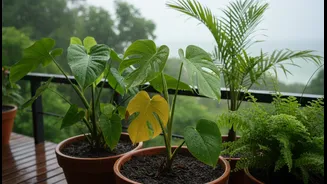
Root rot begins below the soil, so the first clues appear above ground. A key sign is a plant that looks wilted and thirsty even when the soil is moist. This happens because the decaying roots can no longer absorb water and nutrients effectively. You
may also notice lower leaves turning yellow and dropping off, or that your plant's growth has slowed down or stopped completely during its growing season. In some cases, you might notice a foul, swampy odour coming from the soil, which is a definite red flag.
Confirming the Diagnosis: A Root Check
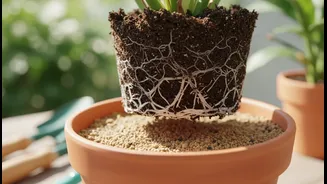
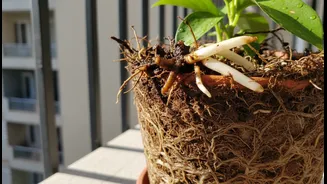
To be certain, you need to inspect the roots. Gently slide the plant out of its pot—this is easiest when the soil is moderately dry. Healthy roots should be firm and typically white or light tan. If you see roots that are brown, black, soft, or mushy, you are dealing with root rot. These affected roots might even fall apart when you touch them, or the outer layer may slide off, leaving a thin strand behind. This damage is caused by fungal pathogens that thrive in overly wet, oxygen-deprived soil.
Choosing the Right Fungicide
Once root rot is confirmed, a fungicide can be a crucial part of the treatment. For gardeners in India, there are several effective options. Chemical fungicides containing copper oxychloride or carbendazim are powerful and widely available. These are 'systemic' fungicides, meaning they are absorbed by the plant to fight the disease from within. For those who prefer an organic approach, neem oil is a strong contender; it can be diluted and used as a soil drench. Another excellent biological option is a fungicide containing Trichoderma, a beneficial fungus that outcompetes the harmful pathogens in the soil. Some gardeners also use household items like cinnamon powder or turmeric powder, which have natural antifungal properties, dusting them on the roots after trimming.
A Step-by-Step Treatment Guide
Acting quickly can save your plant. First, carefully remove the plant from its pot and gently wash away all the soil from the root ball under running water. Next, using a pair of sharp, sterilised scissors, trim away all the dark, mushy, and smelly roots. Be thorough; any infected tissue left behind can allow the rot to spread again. Once all the diseased roots are gone, you can treat the remaining healthy root system. Prepare your chosen fungicide according to the package instructions and either soak the roots in the solution or drench them thoroughly. Some gardeners also use a diluted hydrogen peroxide solution (one part 3% hydrogen peroxide to two parts water) to kill off bacteria and fungi. Finally, repot the plant in a clean pot with fresh, well-draining potting mix. Do not reuse the old soil, as it contains the fungal spores that caused the problem.
Prevention Is Your Best Defence
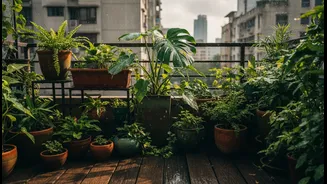
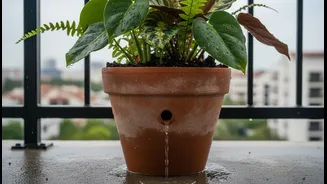
Treating root rot is one thing, but preventing it is far easier. The number one cause is overwatering. Always check the top two inches of soil before watering again; if it feels dry, it's time to water. Ensure every pot has adequate drainage holes so excess water can escape. Using a light, well-draining potting mix is also vital. A good mix for balcony pots in India often includes garden soil, cocopeat for moisture retention without waterlogging, and perlite or coarse sand to improve aeration. Good air circulation around your plants can also help the soil dry out more evenly, reducing the risk of fungal growth.