






Your Rights Under the DGCA Passenger Charter
Every passenger flying to, from, or within India is protected by a set of rules enforced by the Directorate General of Civil Aviation (DGCA). These rules are detailed in a document called the Passenger Charter, which outlines the obligations of airlines
in cases of flight delays, cancellations, and denied boarding. These are not goodwill gestures; they are binding regulations that airlines must follow. Understanding them is the first step to ensuring you receive fair treatment and any entitled compensation. The rules apply to all airlines, regardless of their nationality, for flights operating in India.
When Your Flight Is Cancelled
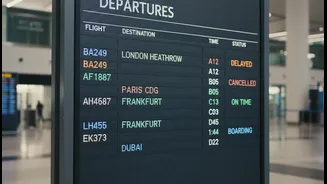
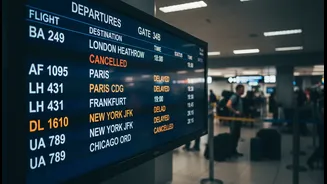
If an airline cancels your flight, your rights depend on when you were notified. If the airline informs you of a cancellation less than two weeks before and up to 24 hours of the scheduled departure, it must offer you an alternate flight or a full refund, as you prefer. If the cancellation notice comes less than 24 hours before departure, you are entitled to monetary compensation in addition to a refund. This compensation can be up to ₹10,000, depending on the block time of the flight. However, this compensation may not apply if the cancellation was due to "extraordinary circumstances" beyond the airline's control, such as severe weather or political instability. Even in such cases, airlines are still obligated to provide meals and refreshments if you are already at the airport.
Coping with Flight Delays
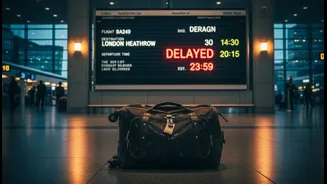
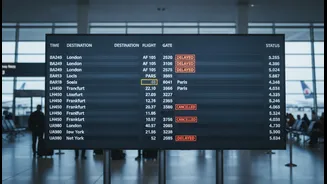
While Indian regulations do not mandate cash compensation for delays, airlines are still required to provide care. If your flight is delayed by two hours or more, the airline must provide you with free meals and refreshments at the airport. For very long delays, your rights increase. If a domestic flight is delayed by more than six hours, you have the right to choose between a full refund or being re-booked on an alternative flight. Furthermore, for overnight delays of six hours or more on flights scheduled between 8 p.m. and 3 a.m., the airline must provide you with free hotel accommodation and transfers.
Denied Boarding: What You're Owed
Airlines sometimes sell more tickets than available seats, a legal practice known as overbooking. If you are involuntarily denied boarding despite having a confirmed ticket and checking in on time, you are entitled to significant compensation. Airlines must first ask for volunteers to give up their seats in exchange for benefits. If not enough volunteers come forward, passengers who are bumped off are entitled to compensation up to 400% of the one-way base fare plus fuel charges, with a maximum cap of ₹20,000. The exact amount depends on how long you have to wait for the arranged alternate flight. You are also entitled to a full refund if you choose not to take the alternate flight.
Lost or Damaged Baggage
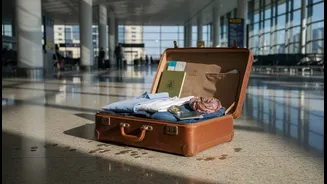
If your checked baggage is lost, delayed, or damaged, you must file a Property Irregularity Report (PIR) with the airline before leaving the airport. This is a crucial first step for any claim. For domestic flights, the airline's liability for lost or damaged baggage is capped at ₹20,000 per passenger. For international flights, the limit is significantly higher under the Montreal Convention, at approximately 1,288 Special Drawing Rights (SDRs), which is roughly ₹1.5 lakh. If your baggage is delayed, you can also claim reimbursement for essential items you had to purchase, so be sure to keep all your receipts.
How to Escalate a Complaint
If you feel an airline is not honouring your rights, the first step is always to complain directly to the airline's staff at the airport or through its official customer service channels. Document everything in writing. If the issue remains unresolved, you can escalate it by filing a grievance on the government's AirSewa portal (airsewa.gov.in) or mobile app. This platform directs your complaint to a nodal officer for time-bound resolution. If you are still unsatisfied, you have the right to approach a consumer court for redressal.