






The Rise of Screen Fatigue
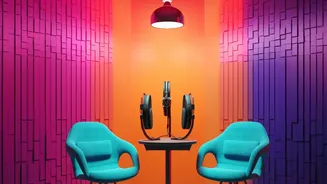
After a full day of classes, work, and socialising—much of it mediated through screens—the last thing many young adults want is more of the same. This phenomenon, known as 'screen fatigue,' is a key driver behind the shift to audio. Symptoms like eye
strain, headaches, and a general sense of mental exhaustion are becoming increasingly common. Studies show a significant number of adults actively seek out audio formats as a less tiring alternative to video, giving their eyes a much-needed break without sacrificing engaging content. In the evening, when the goal is to relax and decompress, the overstimulation from a bright, fast-moving video feed can feel more like a chore than a reward. Audio provides a gentler, more soothing way to consume media, allowing listeners to disconnect their eyes while still engaging their minds.
A Theatre for the Mind
Unlike video, which presents a complete visual and auditory package, podcasts and audio documentaries demand imagination. This concept, often called 'the theatre of the mind', requires the listener to actively participate by creating their own mental images. This active engagement can feel more rewarding and immersive than the passive consumption of video. The production quality of modern narrative podcasts and documentaries has skyrocketed, with rich sound design and compelling storytelling that rivals cinematic experiences. This focus on high-quality, immersive storytelling allows creators to explore complex narratives and connect with listeners on a deeper level, something that isn't always possible in the short-form video that dominates many social feeds.
The Search for Intimacy and Authenticity
In a world of highly curated online personas, the human voice offers a powerful sense of intimacy and authenticity. The simple act of listening to someone speak can foster a strong, personal connection that feels more genuine than polished video content. Psychologists note that the voice is our original storytelling tool, capable of conveying subtle emotions and building trust. This creates what researchers call a 'parasocial relationship,' where listeners feel a genuine friendship or connection with the hosts they listen to regularly. Many young listeners turn to podcasts for relatable conversations and to hear hosts discuss personal issues openly, creating a sense of community and shared understanding. This quest for authentic connection is a major reason why conversational 'chatcasts' and personal narratives have become so popular.
The Freedom of Multitasking
One of audio's most significant advantages is its flexibility. Listeners can tune into a podcast while cooking, cleaning, commuting, or simply lying down with their eyes closed. This multitasking-friendly format aligns perfectly with the busy, on-the-go lifestyles of many young people. While video demands a user's full visual attention, audio integrates seamlessly into other activities, making it an efficient way to consume content. This convenience is a primary reason Gen Z listeners are drawn to the medium; it fits into the pockets of their day without requiring them to be tethered to a screen. The ability to learn something new, escape into a story, or just be entertained while doing something else is a powerful draw.
A Move Toward Deeper Content
While short-form video has its place, many young listeners are also seeking more substantive content. Story-driven podcasts and audio documentaries offer deep dives into a wide array of topics, from true crime and history to science and personal development. This format allows for nuance and complexity that is often lost in fleeting video clips. Studies show that Gen Z listeners trust podcasts more than many traditional media sources and use them to educate themselves on social issues and complex topics. For a generation that grew up online, the ability to curate a media diet that includes both light entertainment and deep, thoughtful content is essential. Audio provides a rich and growing library for those who want to move beyond the algorithm and engage with stories that matter.