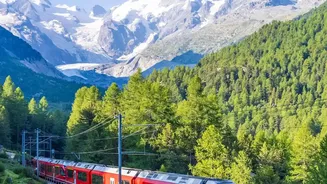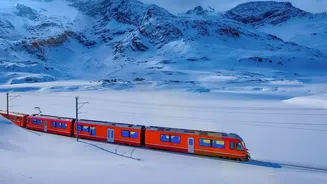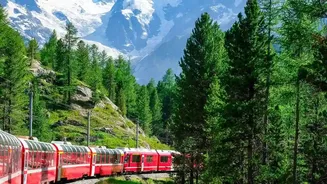


The Romance of the Rails in Winter
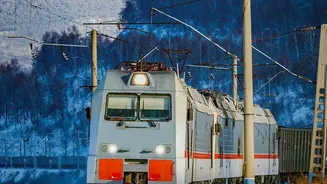
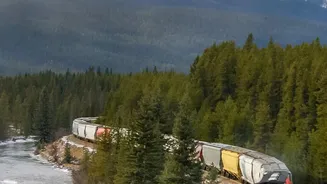
There's a unique magic to choosing a train for a winter getaway in India. As much of the country battles fog-induced flight and road delays, the rhythmic chug of a train feels dependable. Journeys on iconic lines like the Kalka-Shimla Railway, a UNESCO
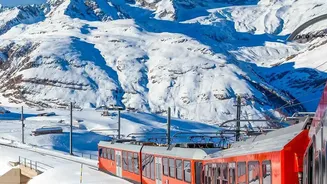
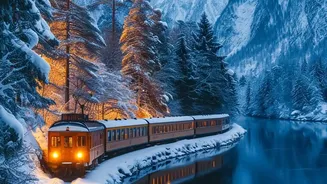
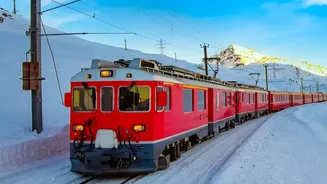
World Heritage site, are an experience in themselves. The train slowly climbs through over 100 tunnels and across 800 bridges, with each curve revealing a more stunning panorama of the Himalayas. Similarly, the Darjeeling Himalayan Railway offers clear winter views of Kanchenjunga, and the new Vande Bharat service to Kashmir provides a warm, scenic route into a valley that once felt isolated by winter snows. These journeys are about more than just reaching a destination; they are about savouring the slow, unfolding beauty of the mountains from the comfort of a cosy carriage.
The Final Mile: A Common Hurdle
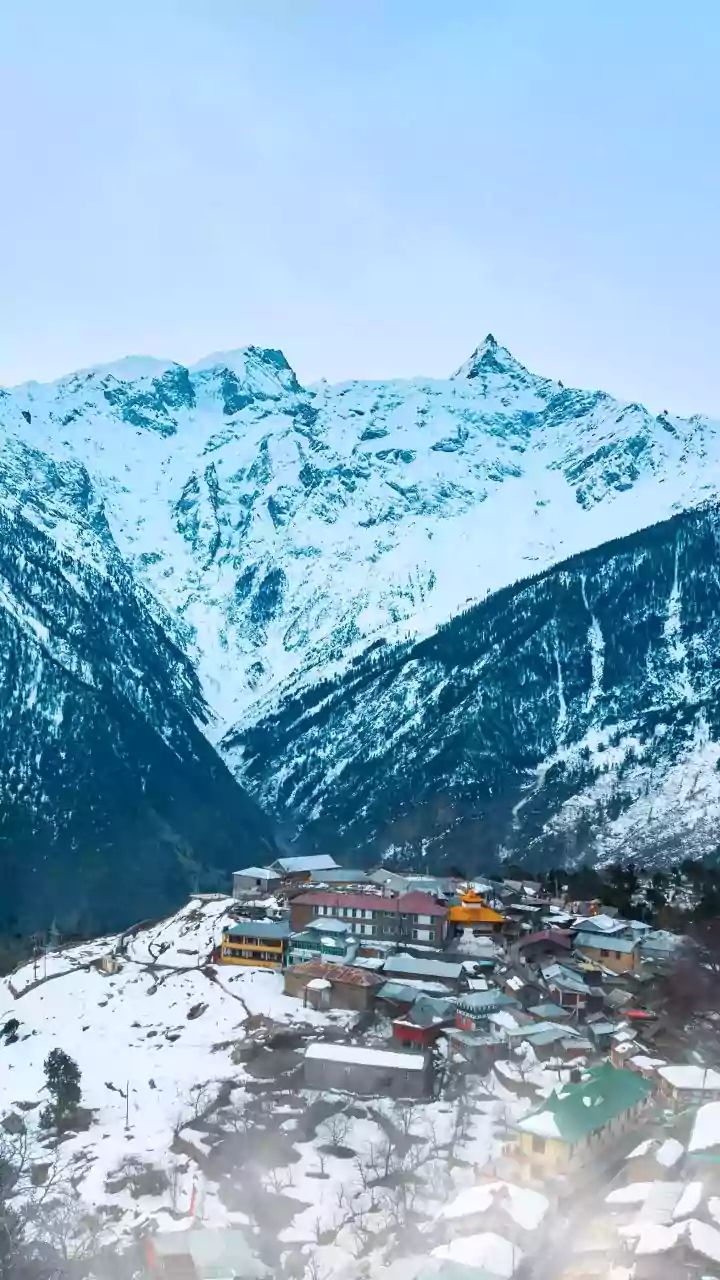
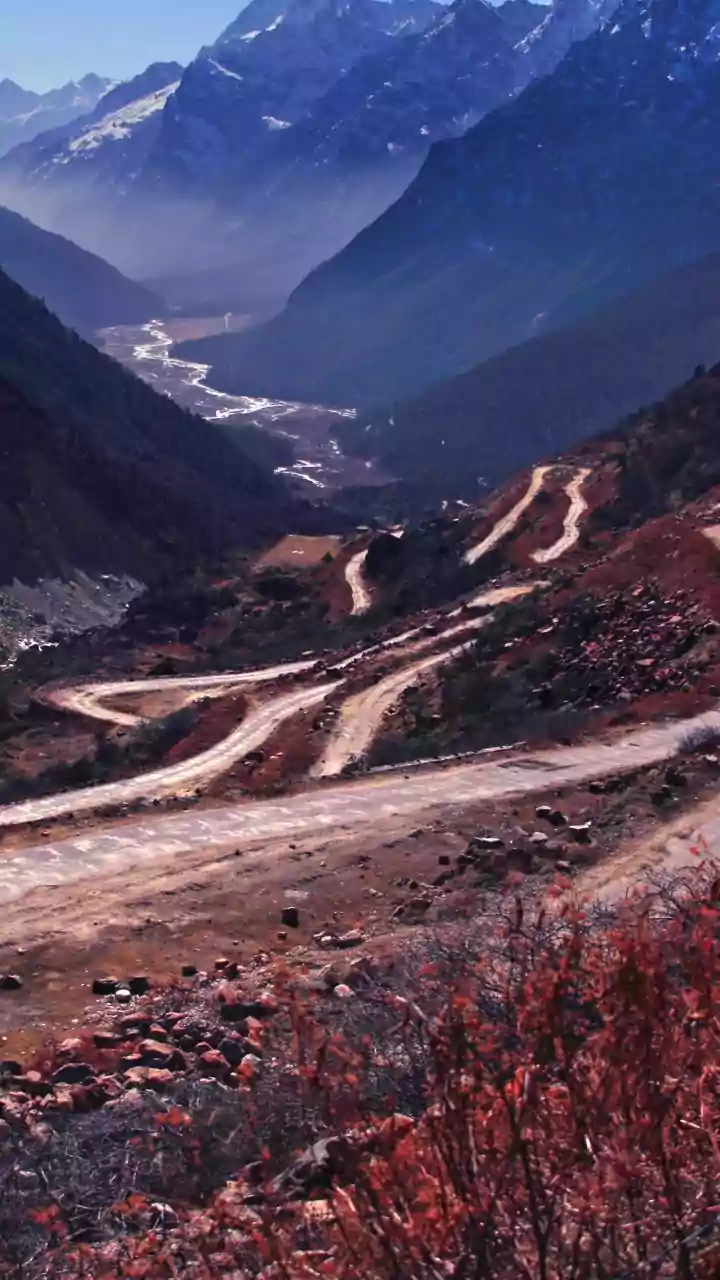
The primary challenge for winter train travellers isn't the railway itself, but what comes after. Heavy snowfall can render the final stretch of your journey—the 'last mile' from the railway station to your hotel or a scenic viewpoint—impassable for hours or even days. Even if your train arrives on time in Shimla, Darjeeling, or a station in the Kashmir valley, local roads can be clogged with snow, ice, and traffic. This is the critical detail that can turn a dream trip into a logistical challenge. While mainline rail networks are robust, local municipal services in hill stations can be quickly overwhelmed, leaving travellers stranded just a few kilometres from their destination.
Spotlight: Kalka-Shimla Railway
The Kalka-Shimla toy train is perhaps the most beloved of India's mountain railways. However, travellers planning a trip for the 2026 winter season should be aware of significant disruptions. Following heavy monsoon rains, a section of the track was washed away, leading to the cancellation of most services from Kalka until at least December 31, 2026. Currently, only a limited service is running between Dharampur and Shimla. Even in a normal winter, heavy snowfall in Shimla can block roads, making the transfer from the station to hotels difficult. When the full service resumes, travellers should remember that fog on the plains can delay connecting trains from Delhi, making a flexible schedule essential.
Spotlight: Darjeeling & Kashmir
The Darjeeling Himalayan Railway, another UNESCO-listed line, is more famous for its misty, romantic rides than heavy snow, as snowfall in Darjeeling town is rare. The primary winter appeal is the crisp, clear view of the mountains. While the famous 'toy train' is a major attraction, last-mile issues can still arise, especially if you plan to travel to higher-altitude areas nearby. For those heading to Kashmir, the Vande Bharat Express to Srinagar has become a game-changer, often running even when the Jammu-Srinagar highway and airport are closed due to snow. This specially-designed train is built to handle sub-zero temperatures. However, the journey isn't over upon arrival. The final road trip from the station to destinations like Gulmarg or Pahalgam is entirely dependent on local road conditions, with 4x4 vehicles or cars with snow chains often required.
A Smart Traveller's Checklist
Preparation is the key to a successful winter train trip. First, always check the current status of both the train and local road conditions before you travel. Pack layers of warm clothing, including thermals and a waterproof outer jacket, and wear sturdy boots with good grip. It is wise to add a couple of buffer days to your itinerary to account for potential delays. Keep a power bank, snacks, and a thermos with a hot beverage handy. When you arrive, hire experienced local drivers who are accustomed to navigating icy roads. Finally, book hotels that are centrally located or have flexible cancellation policies, giving you options if your travel plans are disrupted by the weather.