

India's Next Great Interplanetary Journey
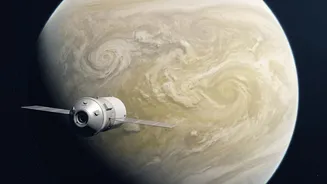
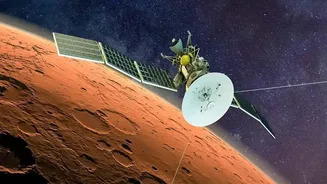
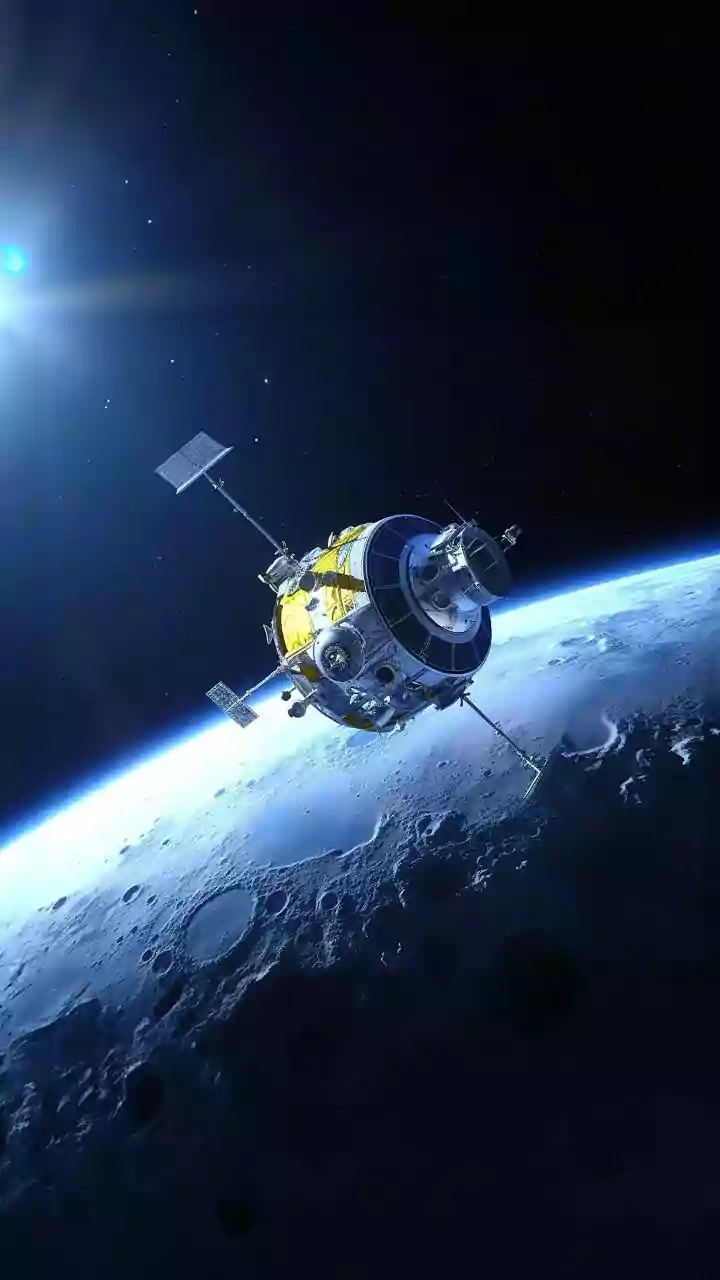
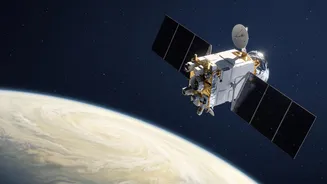
Following the monumental successes of the Chandrayaan and Mangalyaan missions, the Indian Space Research Organisation (ISRO) is embarking on its next ambitious planetary quest. Officially named the Venus Orbiter Mission, Shukrayaan-1 represents India's
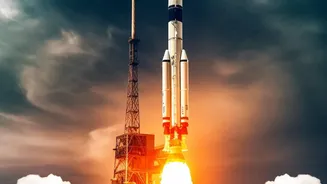
first dedicated mission to Earth's so-called "twin sister". The mission received formal approval from the Union Cabinet in September 2024, cementing its place as a national priority in space exploration. Planned for launch in March 2028 aboard the powerful LVM-3 rocket, the same vehicle that launched Chandrayaan-3, Shukrayaan will journey for over 100 days before entering a carefully planned orbit around Venus in July 2028. This mission signals a new chapter for ISRO, moving from reconnaissance to detailed planetary science.
Why Study the 'Hellish' Planet?
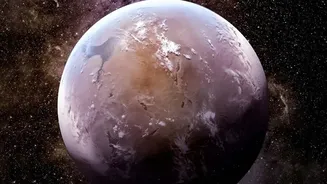
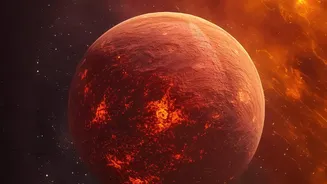
Venus is a world of extremes. Though similar in size and mass to Earth, it boasts surface temperatures hot enough to melt lead and a crushing atmosphere over 90 times denser than our own, composed mostly of carbon dioxide and clouds of sulphuric acid. Yet, scientists believe Venus may have once been habitable, possibly with liquid water, before a runaway greenhouse effect transformed it into the inferno it is today. Understanding this dramatic climate shift is a key scientific driver for the mission. By studying Venus, scientists hope to gain invaluable insights into planetary evolution, atmospheric dynamics, and the delicate factors that make a planet habitable. In essence, learning about Venus's past could offer a cautionary tale for Earth's future climate.
A High-Tech Toolkit for a Toxic World
To peer through the planet's thick, opaque cloud cover, Shukrayaan will carry a payload of around 100 kilograms, comprising roughly 19 advanced scientific instruments. The flagship instrument is a high-resolution Synthetic Aperture Radar (SAR), designed to pierce the clouds and map the Venusian surface in unprecedented detail. This powerful radar will search for evidence of active volcanoes and lava flows, providing a much clearer picture of the planet's geology than previous missions. Another key sensor is a ground-penetrating radar, which will be the first instrument to ever study the shallow sub-surface of Venus. These tools will work alongside a suite of spectrometers and cameras designed to analyse the atmosphere from the top of the clouds down.
Unlocking Deep Atmospheric Secrets
A primary focus of the mission is the detailed study of Venus's unique and hostile atmosphere. The orbiter's sensors will investigate the mysterious 'super-rotation,' a phenomenon where the atmosphere circles the planet in just four Earth days, far faster than the planet's own slow rotation. Instruments will analyse the chemical composition of the atmosphere, measure the structure of the dense cloud layers, and monitor for lightning. The mission will also examine how the solar wind and radiation interact with Venus's ionosphere, a crucial piece of the puzzle in understanding how the planet lost its water and evolved so differently from Earth. Collaborations with international partners, including Sweden, France, and Russia, will bring additional instruments like the Venusian Neutrals Analyzer (VNA) to provide a more complete picture of these complex processes.