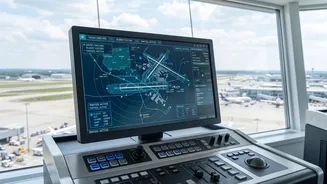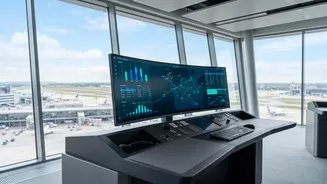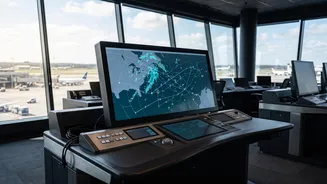







Behind every safe flight is a complex web of technology. The U.S. is now launching a massive upgrade to a critical piece of that puzzle, replacing decades-old display systems in control towers with modern tech. Here’s what it means for air travel.
From Floppy Disks to Digital Displays
The
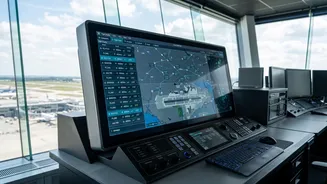
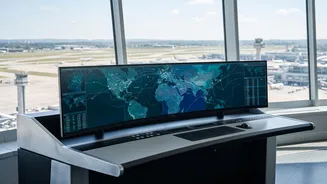
Federal Aviation Administration (FAA) has begun a nationwide rollout of its new Enterprise Information Display System, or E-IDS. This initiative is set to replace four different legacy systems currently used by air traffic controllers, some of which date back to the 1980s and, in some cases, still rely on floppy disks for updates. The plan is to install this new, unified system at 435 air traffic control facilities across the country by the end of 2028. The first wave of installations is already underway at airports in Atlantic City, Nashville, and Rochester, as well as at key data-processing hubs in Atlanta and Salt Lake City. This upgrade moves controllers from a fragmented collection of older screens and manual processes to a single, integrated digital platform designed for the 21st century.
Why the Upgrade Is Crucial
The existing systems, while reliable for their time, are now obsolete and increasingly difficult to maintain. They operate in silos, meaning controllers often have to consult multiple displays and sources to get a complete picture of weather, flight schedules, equipment status, and restricted airspace. The E-IDS consolidates all of this critical information into one streamlined, secure digital view. According to FAA Administrator Bryan Bedford, the new system allows controllers to 'instantly share critical flight alerts, restricted airspace schedules and pilot reports' across the entire national airspace system. This shift away from outdated technology is not just about convenience; it is a foundational step in making the whole air traffic network more resilient, secure, and efficient.
Safer Skies and Fewer Delays
For the millions of people who fly across the U.S. each year, the benefits of this modernization, while happening behind the scenes, are tangible. A primary advantage of the E-IDS is its ability to provide real-time, consistent information to all controllers. This enhanced situational awareness is a direct boost to safety. For example, the system is designed to improve the collection and distribution of pilot reports (PIREPs) and crucial safety alerts known as Notices to Airmen (NOTAMs), both of which the FAA has identified as top safety priorities. Better information also leads to better efficiency. With a clearer, more immediate understanding of weather patterns and air traffic conditions, controllers can manage flights more proactively, potentially reducing ground holds and in-air delays.
A Key Piece of a Bigger Puzzle
The E_IDS rollout is a significant project on its own, but it is also a component of a much larger, multi_billion dollar initiative to overhaul America's entire air travel infrastructure, known as the Next Generation Air Transportation System (NextGen). The goal of NextGen is to move from a ground_based radar system to a more precise satellite_based GPS system. This broader modernization effort includes everything from new radar and radio systems to advanced software that helps automate and optimize flight paths. By providing a modern digital foundation at the local and regional control level, the E_IDS is a critical building block that will enable other NextGen technologies to function effectively, ultimately leading to a more connected and intelligent national airspace.