


The Foundation: Declutter with Purpose
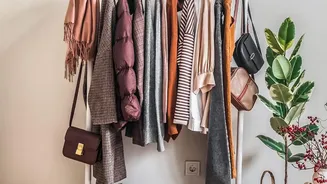
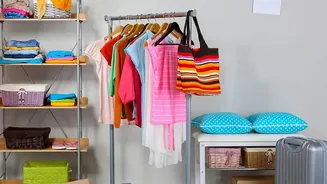
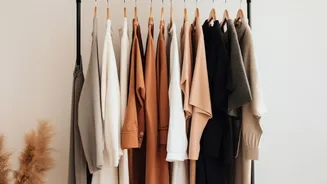
Before you can organise, you must first declutter. You cannot organise items you don't need. Start the process by creating a plan and tackling your home category by category, not room by room. Begin with clothes, then move to books, papers, miscellaneous
items, and finally, sentimental belongings. This order helps build decision-making momentum. A good rule of thumb is to let go of anything you haven't used in over a year. For items that hold memories but not function, consider taking a photo to preserve the feeling without sacrificing physical space. The goal is to keep only what serves a purpose or brings you genuine joy, clearing the way for a truly organised environment.
Think Vertically: Your Walls Are Prime Real Estate
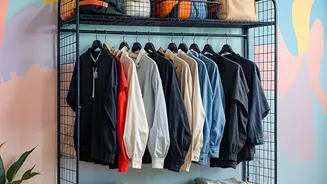
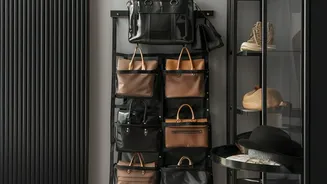
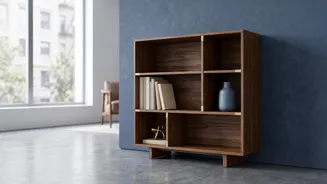
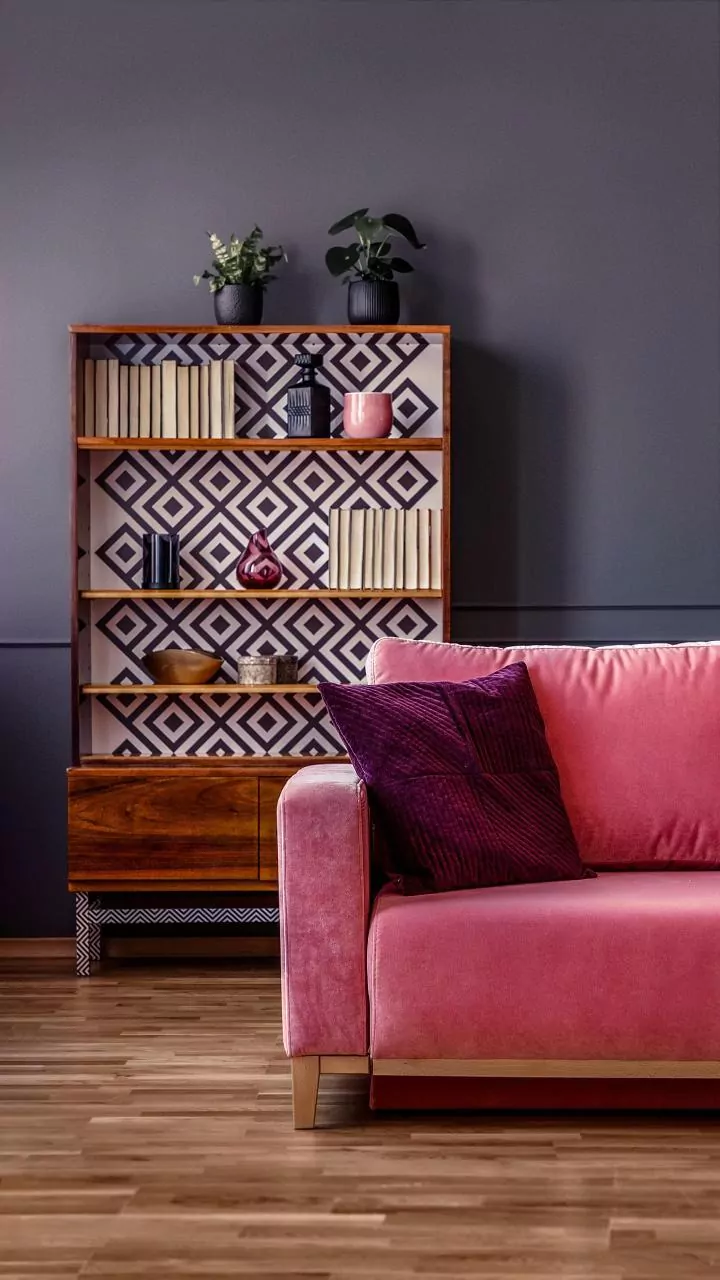
When floor space is limited, the only way to go is up. Vertical space is your most valuable and underused asset in a small home. Trading bulky floor units for tall, slender bookcases and wall-mounted shelves can dramatically increase your storage capacity without eating up square footage. Consider installing floating shelves above doorways or in tight corners for books and decor. Over-the-door organisers are perfect for shoes in the bedroom or cleaning supplies in the bathroom. In the kitchen, magnetic strips for knives and hanging racks for pots and pans free up precious counter and drawer space, making the room feel larger and more functional.
Embrace Multipurpose Furniture
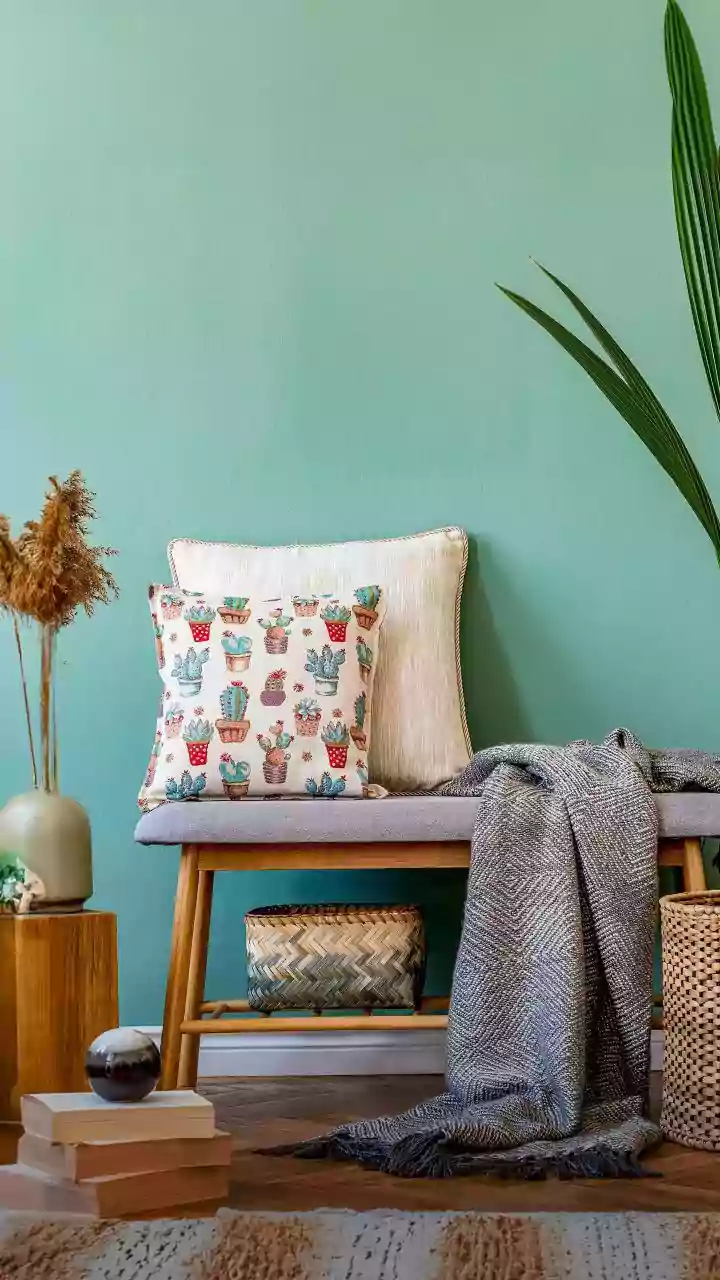
In a small space, every piece of furniture should work hard. Investing in multifunctional items is one of the smartest ways to maximise efficiency. Think of an ottoman with hidden storage for blankets, a coffee table with drawers for remotes and magazines, or a bed frame with built-in drawers for seasonal clothing. A wall-mounted foldable table can serve as a dining surface, a work desk, or a hobby station, and then disappear when not in use. Even a simple bench at the entryway with cubbies underneath can provide a place to sit while also storing shoes and daily essentials. This approach reduces the number of individual furniture pieces you need, creating a more open and streamlined look.
Unlock Hidden Storage Opportunities
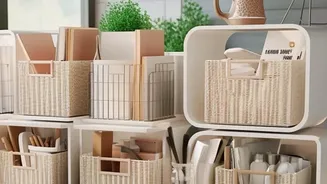
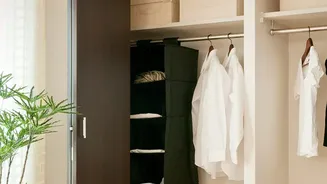
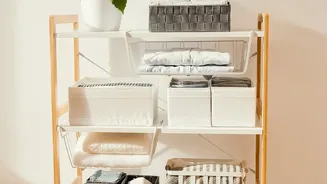
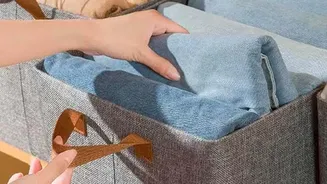
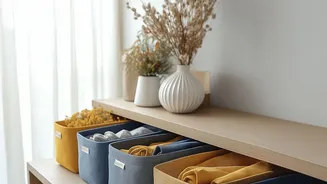
Your home is full of secret storage spots waiting to be discovered. The space under your bed is perfect for storing out-of-season clothes, extra bedding, or luggage. Use soft, compressible bags or rolling containers for easy access. The void above kitchen cabinets can house rarely used appliances or serving dishes. Inside deep cabinets, which often become cluttered black holes, use stackable shelf inserts to create multiple tiers of storage, effectively doubling your usable space. Tension rods can be used under sinks to hang cleaning bottles, freeing up the cabinet floor for other items. By identifying and utilising these neglected areas, you add valuable storage without adding any clutter.
Zone Your Spaces for Maximum Efficiency
Once you've decluttered and optimised your storage, the final step is to create logical zones. This means assigning a specific 'home' for every single item you own. In the kitchen, group all your cooking spices in one rack and your daily-use crockery in an easily accessible cabinet. In your wardrobe, use drawer dividers to separate socks from undergarments. This principle of 'zoning' extends to your entire home. Create a designated 'drop zone' near the front door with a small table or hooks for keys, mail, and bags to prevent them from migrating around the house. When everything has a place, tidying up becomes a quick, thoughtless task rather than a major project. This system is the key to maintaining a clutter-free space long-term.