




Just How High Are Fares?
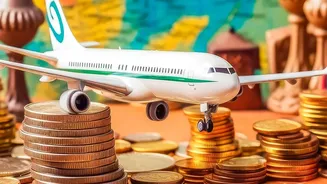
Travellers booking flights for the festive period, which spans from Durga Puja in October through Diwali and Chhath Puja in November, are seeing staggering price hikes. On high-demand routes, fares have jumped by 50% or more compared to last year. For
instance, one-way fares on the Delhi-Hyderabad route are up by as much as 68%, while Mumbai-Kolkata has seen a 51% increase. On some routes connecting major metros to hometowns in north India, last-minute tickets are being priced in the same range as a flight to London. A survey found that 54% of air travellers are paying over 50% more for their festive journey in 2026 than they did in 2025, turning what is an annual tradition for many into a significant financial burden.
Why Your Flight Is So Expensive
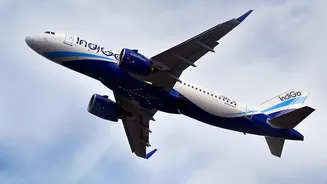
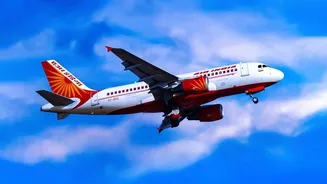
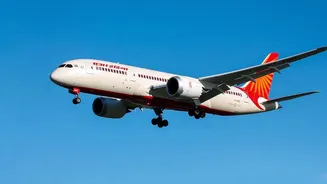
This year's price surge isn't just about high demand. A key factor is a deliberate reduction in airline capacity. Major carriers like IndiGo and Air India have actually scheduled fewer seats for the festive season compared to last year. Air India has cut its capacity by a notable 12.6% for October, while IndiGo made a smaller reduction of 0.2%. This strategy of flying fewer services, even while using larger planes on some routes, creates scarcity and allows fares to climb. Compounding the issue are persistently high Aviation Turbine Fuel (ATF) prices, which make up around 40% of an airline's operating costs. These costs, driven by global oil prices and geopolitical tensions, are being passed directly to consumers. The result is a classic supply-and-demand squeeze, made worse by airline-specific financial and operational restructuring.
An Unbreakable Festive Spirit
Despite the financial pain, the desire to travel for festivals remains incredibly resilient. While overall domestic passenger traffic saw a slight dip in the months leading up to the festive season, this has been largely attributed to the supply-side constraints, not a lack of interest from travellers. Experts note that 'demand is not the problem'. For millions of Indians, travelling home for festivals like Diwali is a non-negotiable cultural and emotional tradition. The demand is so ingrained that even sharp fare hikes fail to deter a significant portion of passengers, who are now simply absorbing the higher costs. This resilient demand is a major reason why airlines can maintain high prices without seeing a collapse in bookings, especially on routes connecting major employment hubs to smaller cities.
The New Reality of Festive Travel
The current trend suggests that high fares during peak seasons may be the new normal. Airlines, grappling with high operational costs and a global aircraft supply crunch, are finding it difficult to expand capacity to meet the explosive demand during festivals. The Indian government has indicated it will not impose fare caps, though it has asked airlines to keep prices 'reasonable'. For travellers, this means the old rule of 'booking early' is becoming less reliable for securing a good deal. Many are now forced to plan further in advance, be more flexible with travel dates, or look at alternatives like the thousands of special trains being run to manage the festive rush. However, for those who must fly, the choice is increasingly between paying a premium or missing the celebration.