


The Case for a Modern Cricketing Mind
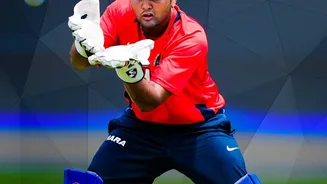
Parthiv Patel’s biggest asset is his proximity to the modern game. Having retired in 2020, he possesses a current and intimate understanding of the demands of three-format cricket, the pressures of the Indian Premier League (IPL), and the evolving skill
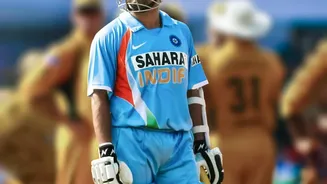
sets required to succeed. His career, which began as a teenager in 2002, spanned multiple generations of Indian cricket, giving him a unique perspective on its evolution. After retirement, he transitioned into roles that kept him deeply embedded in the system, serving as a talent scout for the highly successful Mumbai Indians franchise and as a respected commentator. This experience suggests he has a sharp eye for identifying talent and a clear, analytical approach to the game, qualities that are indispensable for a chief selector. His work with a data-driven, professionally managed team like Mumbai Indians is a significant advantage.
From Player to Talent Scout
Perhaps the most compelling part of Parthiv's resume is his work off the field. Upon retiring, he immediately joined Mumbai Indians as a Talent Scout, a role that requires a keen eye for unearthing and nurturing future stars. Mumbai Indians' owner, Akash Ambani, noted that the franchise was keen to pick his “cricketing brain” to enhance their scouting system. This is not a ceremonial position; it involves working closely with coaches and the management to identify raw talent across the country, a core function of the national selector's job. This experience provides a direct counterargument to those who might point to his lack of formal administrative roles. Scouting for the most successful IPL franchise is arguably a better training ground for a selector than many bureaucratic posts.
Concerns and Counterarguments
Despite the positives, Parthiv’s candidacy is not without its question marks. The primary concern is his lack of experience as a national selector. The role of chief selector is a high-pressure job that involves managing senior players, liaising with the team captain and coach, and facing intense media scrutiny. Recent reports indicate that Pragyan Ojha, another contender, is already part of the selection committee, giving him a procedural edge. Furthermore, the BCCI's criteria for a selector requires a player to have featured in at least seven Tests, a bar Parthiv comfortably clears with his 25 Test caps. However, the chief selector is traditionally the member with the most Test caps, and while he has more than Ojha (24), other senior players could also enter the fray. Some critics might also argue his recent association with specific IPL franchises could lead to perceived biases, a charge any modern selector must navigate carefully.
What Indian Cricket Needs Now
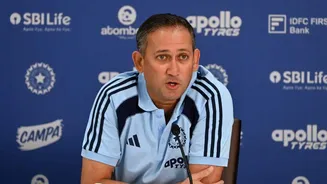
The next chief selector will inherit a team in transition. After a successful period under Ajit Agarkar that saw India win two T20 World Cups and the Champions Trophy, the focus is shifting towards the 2027 ODI World Cup. The job demands a clear vision for succession planning, managing player workloads in an increasingly packed calendar, and ensuring a seamless pipeline from domestic cricket to the national team. Parthiv's journey—from leading Gujarat to a historic Ranji Trophy title to winning IPLs as a player and contributing as a scout—shows a deep commitment to the Indian cricket ecosystem. His proponents would argue that his fresh, contemporary perspective is exactly what is needed to build on the current success and navigate the future, rather than relying on someone more removed from the day-to-day realities of modern cricket.