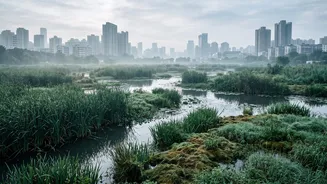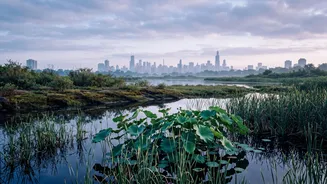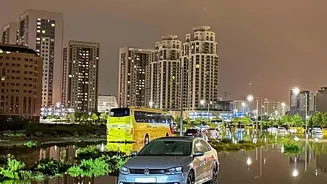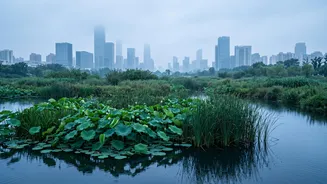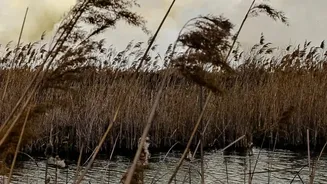







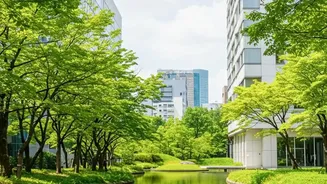
Caught between water scarcity and devastating floods, Indian cities are rediscovering an ancient ally. Often dismissed as wastelands, urban wetlands are, in fact, nature's sophisticated infrastructure for survival and sustainability.
Nature's Free Water Treatment Plants
Long before engineered
solutions, nature had its own system for cleaning water. Wetlands act as biological filters, or the 'kidneys of the landscape', purifying water by trapping sediments and breaking down pollutants. The most celebrated example is the East Kolkata Wetlands, a Ramsar site of international importance. This 12,500-hectare ecosystem naturally treats a significant portion of Kolkata’s daily sewage—nearly 900 million litres. Through a process involving solar purification and microbial action, the wastewater is cleaned and becomes nutrient-rich, supporting vast fisheries that supply a large part of the city's fish and vegetables. This ingenious, community-managed system saves the government the immense cost of building and maintaining conventional wastewater treatment plants.
The Urban Sponges Against Flooding
As cities pave over natural ground with concrete, rainwater has nowhere to go, leading to the flash floods that now plague urban India. Wetlands provide a crucial defence, acting as natural sponges that absorb and store immense volumes of excess rainfall. During heavy monsoons, they soak up runoff and release it slowly, reducing the intensity of floods and preventing soil erosion. The Pallikaranai Marsh in Chennai is a prime example of this function. It serves as a vital flood buffer for the city's southern suburbs. However, rampant urbanisation has caused cities like Chennai to lose a vast majority of their wetlands, which directly correlates with the increased frequency and severity of urban flooding. When these natural sponges are built over, the water that would have been absorbed is instead forced into homes and streets.
Recharging a Thirsty Ground
Many Indian cities are facing a silent crisis of falling groundwater levels. Heavy reliance on borewells and aquifers for daily water needs is depleting underground reserves at an alarming rate. Wetlands play an indispensable role in replenishing these vital resources. By holding water for extended periods, they allow it to slowly percolate through the soil and recharge underground aquifers. This natural process ensures a more stable and reliable water supply, especially during dry seasons. For cities like Bengaluru, where built-up area has expanded dramatically and led to the loss of wetlands, the impact on groundwater is severe. The disappearance of these recharge zones is a key reason why many urban areas that once had abundant water now face 'Day Zero' scenarios, where taps run dry.
Sanctuaries for Urban Wildlife
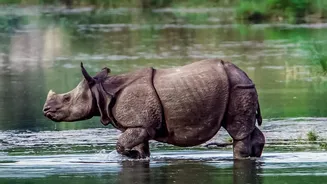
Amidst the concrete and chaos of urban life, wetlands are vibrant hotspots of biodiversity. They provide critical habitats for a wide range of species, from fish and amphibians to reptiles and insects. For birds, they are especially crucial, serving as feeding, breeding, and nesting grounds for both resident and migratory species. Urban wetlands like Deepor Beel in Assam and Pallikaranai in Chennai are havens for hundreds of bird species, including endangered and migratory ones. These ecosystems are not just 'biodiversity islands'; they are the green lungs of a city, offering recreational spaces for citizens to connect with nature through activities like birdwatching and nature walks. They provide educational and cultural value, reminding residents of the natural world that co-exists with them.
A Disappearing Lifeline
Despite their immense value, urban wetlands in India are among the most threatened ecosystems. Over the last few decades, India has lost a significant portion of its natural wetlands to rapid and often unplanned urbanisation. They are routinely dismissed as wastelands, filled in to create land for housing and infrastructure. This encroachment, combined with pollution from untreated sewage, industrial effluents, and solid waste dumping, degrades these vital systems. The consequences are stark: increased flooding, acute water scarcity, and a loss of biodiversity. Protecting these ecosystems is not merely an environmental issue; it is fundamental to building resilient, sustainable, and liveable cities for the future.