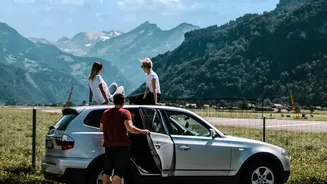


While summer drives are common, a winter road trip in India offers a unique magic. The air is crisper, the crowds are thinner, and the landscapes transform. This guide is built to help you discover that scenery, one kilometre at a time.
Why Choose a Winter Road Trip?
Winter unlocks
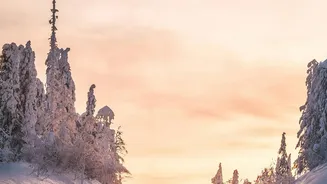
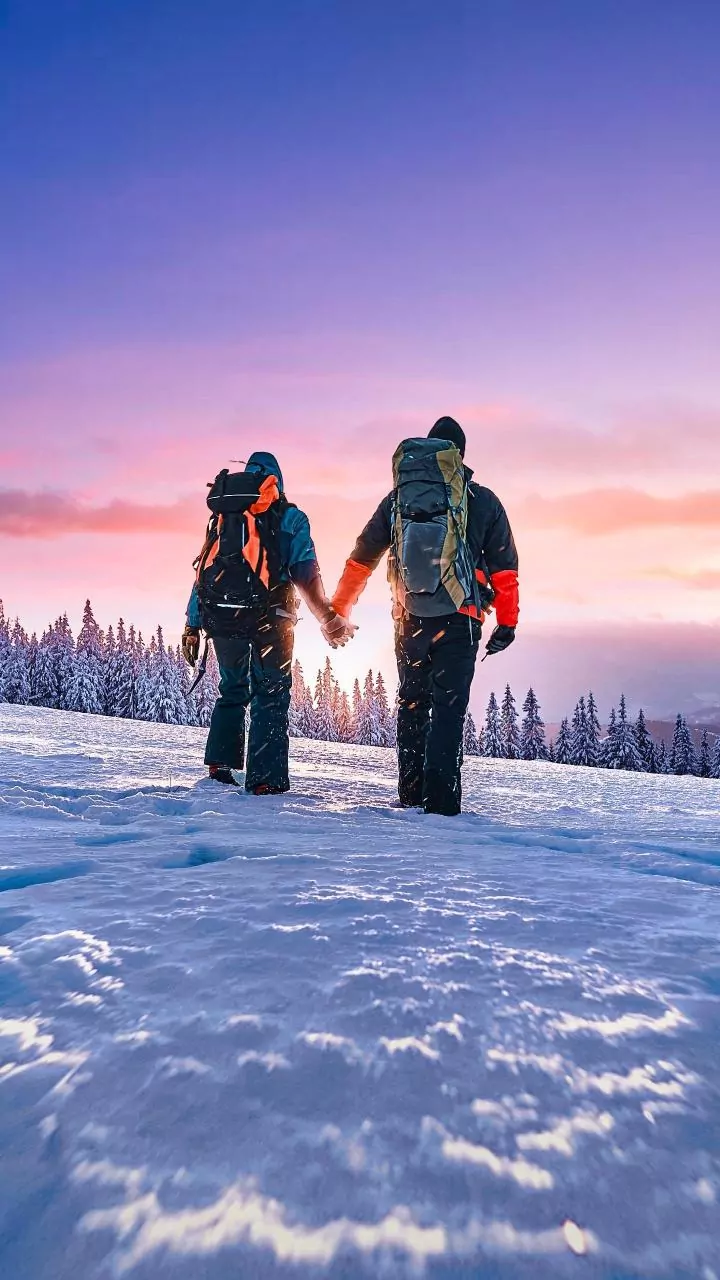
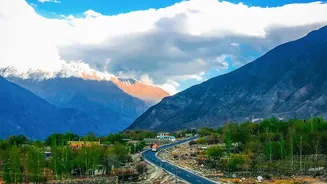
a different kind of beauty across India. In the north, it means the possibility of driving through snow-dusted pine forests and seeing frozen waterfalls. In places like Rajasthan, the harsh summer sun is replaced by a soft golden light, making it ideal for exploring forts and desert landscapes. Along the coasts of Maharashtra and Kerala, the post-monsoon greenery lingers, but the humidity drops, offering clear skies and pleasant weather for seaside drives. It's a season of contrasts, offering everything from serene, misty mornings over tea gardens in the south to the profound silence of a snow-covered Himalayan pass. Fewer tourists often mean quieter roads and a more peaceful journey, allowing you to connect more deeply with the scenery.
The Himalayan Adventure: A World of White
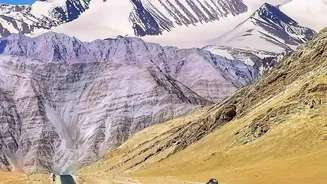
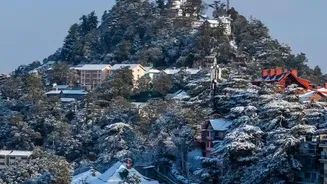
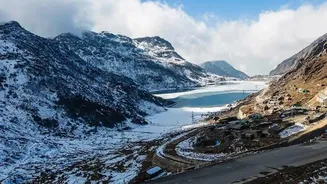
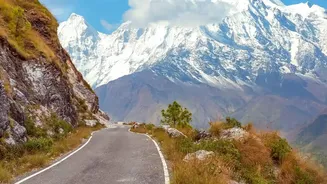
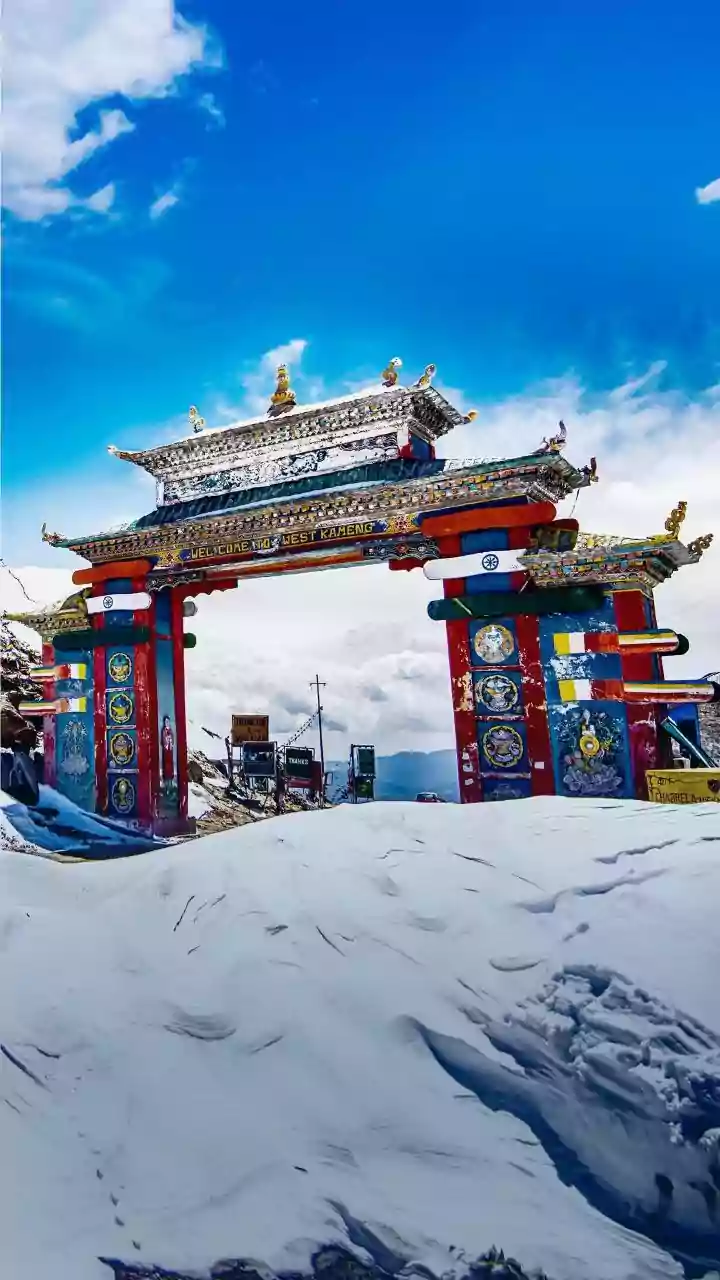
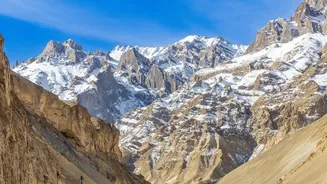
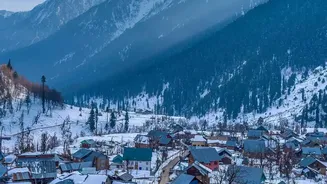
A winter road trip in the Himalayas is the ultimate adventure, but it demands serious preparation. Routes like Shimla to Narkanda or Dehradun to Mussoorie offer a taste of this experience with relatively manageable conditions, showcasing snow-covered deodar forests and valley views. For the more ambitious, the road towards Spiti Valley or the newly accessible Atal Tunnel route to Sissu in Lahaul provides dramatic landscapes of frozen rivers and towering peaks. However, driving here requires vigilance. Black ice, a transparent layer of frozen moisture, is a major hazard, especially on shaded curves, bridges, and in the early mornings. Driving slowly, using lower gears for engine braking on descents, and increasing your following distance are non-negotiable safety rules.
The Desert Circuit: Golden Hues and Royal Roads
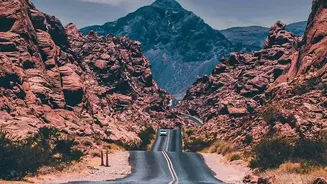
If you want stunning scenery without the snow and sub-zero temperatures, a road trip through Rajasthan is the perfect winter alternative. The weather is comfortable, with temperatures ideal for sightseeing. A classic route from Jaipur to Jaisalmer, with a stop in Jodhpur, takes you through the heart of the state's heritage. Imagine driving through landscapes that shift from the blue city of Jodhpur to the golden fort of Jaisalmer, culminating in a night at a desert camp near the Sam Sand Dunes. Another excellent option is the drive from Udaipur to Mount Abu, Rajasthan’s only hill station, where you can experience crisp, cool mornings and fog floating between the Aravalli hills. These routes are generally well-maintained and allow for a journey filled with history, culture, and dramatic desert light.
The Coastal Cruise: Breezy and Beautiful
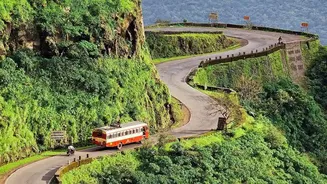
For a warmer winter escape, the coastal roads of South and West India are ideal. The famous Mumbai to Goa drive along the Konkan coast is magical in winter, with lush green hills, calm seas, and pleasant weather. The route is dotted with ancient forts, quiet beaches, and fishing villages, rewarding a slower pace of travel. Further south, the drive from Kochi to Munnar in Kerala offers winding roads through misty tea plantations. The East Coast Road from Chennai to Puducherry is another classic, known for its smooth tarmac, Bay of Bengal views, and colonial architecture. These drives are less about enduring the elements and more about enjoying the serene, breezy, and verdant landscapes that shine in the winter sun.
Essential Preparations for Your Winter Drive
No matter the destination, preparation is key. For any trip, especially a Himalayan one, a thorough vehicle check is crucial. This includes inspecting your battery, as cold weather can reduce its efficiency, and ensuring your tyres have adequate tread. For snowy regions, winter-grade engine oil and antifreeze are recommended, and carrying snow chains is mandatory for many high-altitude passes. Always check the road status before you leave, as conditions can change rapidly. Pack an emergency kit with blankets, a torch, a first aid kit, and extra food and water. Finally, inform someone of your route and expected arrival time. These simple steps ensure that your scenic journey is also a safe one.