






The Rise of On-Demand Entertainment
The growth of Over-The-Top (OTT) platforms in India has been nothing short of revolutionary. With affordable data and widespread smartphone use, services like Netflix, Amazon Prime Video, and Disney+ Hotstar have brought a universe of content to our fingertips.
This shift offers unprecedented convenience, allowing viewers to watch what they want, when they want. The model has proven particularly beneficial for smaller, content-driven films and regional cinema, which now have a platform to reach a national and even global audience without the immense pressure of a wide theatrical release. For many, the cost of a yearly subscription is more economical than a single family outing to the multiplex, especially when considering ticket prices and expensive concessions.
The Big Screen Strikes Back with Spectacle
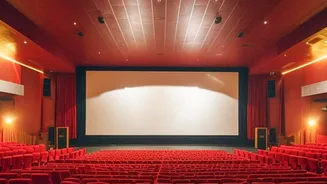
Faced with the challenge of home convenience, movie theatres are doubling down on what they do best: creating an event. The focus has shifted towards providing an immersive, premium experience that cannot be replicated at home. This includes investments in superior sound and video technology like IMAX and 4DX, luxurious seating, and an overall elevated ambiance. The strategy is clear: make going to the movies an unmissable spectacle. This has led to a greater emphasis on large-scale, visually stunning blockbusters that demand to be seen on the largest screen possible. Audiences, in turn, are becoming more selective, reserving their theatrical spending for these 'event' films that justify the outing.
A New Playbook for Filmmakers and Studios
The dual existence of robust OTT and theatrical markets has created a more flexible, strategic environment for producers. No longer is a theatrical release the only path to success. Today, a film's budget, genre, and target audience determine its journey. Mid-budget dramas or experimental films might be designed for a direct-to-digital release, finding a dedicated audience without the risk of a theatrical run. Meanwhile, studios are increasingly adopting a hybrid model, where a film enjoys a theatrical run before moving to a streaming platform. This theatrical window, which had shrunk post-pandemic, is now being renegotiated, with exhibitors in South India proposing a mandatory eight-week gap to protect cinema footfall. This allows producers to maximize revenue from both box office collections and lucrative digital rights deals.
The Audience Reigns Supreme
Ultimately, the Indian moviegoer is the biggest winner in this new ecosystem. The power has shifted, and the audience's evolving preferences now dictate market trends. Viewers have become discerning consumers, weighing the 'paisa vasool' (value for money) proposition of both a theatre ticket and a streaming subscription. They are willing to pay a premium for a cinematic experience but are equally content to wait for other films to land on a streaming service a few weeks after release. This has forced both theatres and OTT platforms to elevate their game. Theatres must offer a compelling reason to leave the house, while streaming services must consistently deliver fresh, high-quality content to retain subscribers in a competitive market.