





The Problem with the Paper Trail
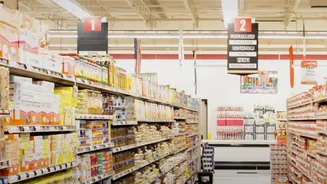
For decades, much of India's food supply chain has run on fragmented, paper-based systems. This creates significant challenges. Tracing a product back to its source during a food safety scare can be a slow, manual, and often impossible task. This lack
of transparency not only puts consumers at risk but also leads to enormous post-harvest losses, as inefficiencies in storage and transport go untracked. Furthermore, small and medium-sized food businesses often struggle with the bureaucratic burden of maintaining physical records for licensing and compliance, which can stifle growth and discourage formal participation in the market.
What is the Digital Overhaul?
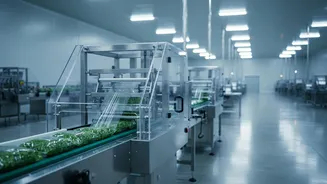
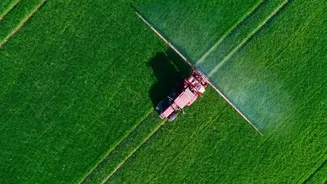
The government and its agencies are spearheading a shift towards a unified, technology-driven approach. A key initiative is a new portal, reportedly named 'Food Safety and Support', being developed by the Food Safety and Standards Authority of India (FSSAI). This platform aims to be a single window for food businesses, consolidating processes like licensing, registration, and compliance reporting into one unified national database. In parallel, the agricultural sector is seeing the development of 'AgriStack,' a proposed digital ecosystem that would create a unique ID for every farmer and consolidate data on land ownership, crops, and soil health, providing a foundation for end-to-end traceability.
From Farm to Fork, Digitally
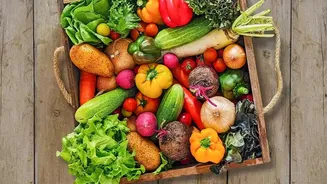
So, how would this work in practice? Imagine a batch of mangoes leaving a farm. With an integrated digital system, a QR code could be generated at the source, containing information about the farm, harvest date, and any treatments used. At each point in the supply chain—the aggregator, the cold storage facility, the distributor, and the final retailer—this digital record would be updated with a simple scan. This creates an unbroken, verifiable chain of custody. Regulators could instantly see a product's entire journey, and in the future, even consumers could potentially scan a code to learn about the food they are buying. This seamless flow of information is the core of making supply-chain records truly useful.
The Big Payoffs: Safety and Efficiency
The benefits of such a system are immense. First and foremost is food safety. A digital, traceable system allows for lightning-fast recalls. If a contaminant is found, authorities can pinpoint the exact source and batch affected, preventing widespread public health issues. Second, it tackles inefficiency head-on. By tracking products in real-time, companies can optimize logistics, reduce spoilage, and cut costs. For farmers, this transparency can lead to better price discovery and direct access to markets. Finally, for the nation, it boosts export competitiveness. Many international markets have stringent traceability requirements, and a digitally verified supply chain would open doors for Indian producers.
Challenges on the Road to Digitization
While the vision is compelling, the path forward has its hurdles. The most significant is the digital divide. A large number of farmers in rural India have limited access to smartphones or reliable internet, making participation a major challenge. There are also valid concerns around data privacy and security. Creating a massive, centralized database of farmer and business information requires robust governance to prevent misuse and build trust among all stakeholders. Ensuring these digital tools are user-friendly, accessible in multiple languages, and supported by on-the-ground training will be critical for widespread adoption and success.