




In the quest for better health, urban Indian diners are looking past fleeting global fads and rediscovering a powerful secret hidden in plain sight: the humble, age-old tradition of fermented rice. What was once simple fare is now a wellness star.
From Humble Staple to Urban Superfood
For
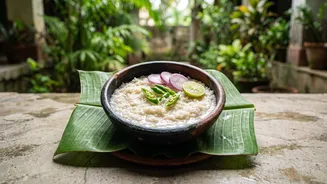
generations, dishes made from leftover rice soaked overnight in water were a staple for farmers and labourers across India. Known as Panta Bhat in Bengal, Pazhaya Soru in Tamil Nadu, and Pakhala in Odisha, this simple meal was valued for its cooling properties and providing energy for the day ahead. Today, this culinary tradition is experiencing a remarkable revival. As urban consumers become increasingly focused on wellness and gut health, they are turning to these traditional preparations, which are now being celebrated not just for their simplicity, but for their profound health benefits. This shift reflects a broader trend of looking inward, where ancient Indian food wisdom is being validated by modern nutritional science.
The Science Behind the Soak
What exactly happens when rice is left to ferment overnight? The process is a natural form of fermentation, where beneficial microbes get to work. This soaking allows for the growth of lactic acid bacteria, the same family of friendly microbes found in yoghurt and other probiotic foods. These probiotics are essential for maintaining a healthy gut microbiome, which is linked to better digestion, improved immunity, and even enhanced mental well-being. The fermentation process also begins to break down the starches and proteins in the rice, potentially making it easier to digest and absorb nutrients. Some nutritionists note that this pre-digestion makes the meal feel lighter on the stomach compared to a heavy breakfast. While claims about drastic increases in vitamins and minerals need more scientific backing, the probiotic benefits are widely acknowledged.
A Taste of Tradition Across India
The beauty of fermented rice lies in its regional diversity. In Bengal, Panta Bhat is a beloved summer dish, often served with a side of fried fish, mashed potatoes (aloo bhate), onions, and green chillies for a tangy, satisfying meal. In Tamil Nadu, Pazhaya Soru or Pazhayadu is similarly enjoyed as a cooling breakfast, sometimes mixed with buttermilk or curd and served with pickles or small fried fish. In Andhra Pradesh, Ganji Annam involves fermenting leftover rice with milk and a little curd, then garnishing it with onions and chillies. Each version tells a story of local ingredients and climate, offering a simple, nourishing meal that has stood the test of time. While these are the most common, other variations like Khapar Poli in Maharashtra and even fermented rice batters for idli and dosa share the same fundamental principle of leveraging fermentation for flavour and nutrition.
The Modern Revival on Plates and Menus
The renewed interest in these dishes isn't just happening at home. The global wellness trend focusing on fermented foods like kimchi and kombucha has primed a new generation to appreciate their own culinary heritage. Chefs and restaurants are also taking note. The 'functional food' movement, where diners seek specific health benefits from their meals, has made gut-friendly options a key selling point. Some fine-dining establishments are exploring traditional fermentation techniques to add depth and a unique sense of place to their menus. This trend is part of a larger movement towards celebrating regional Indian cuisines and hyper-local ingredients, proving that sometimes the most innovative ideas are the ones that have been with us all along.