





The Secret to a Sunny Monsoon
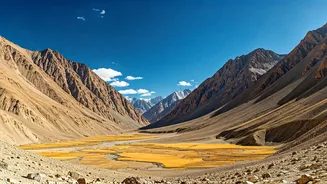
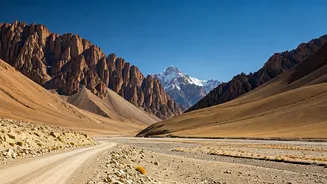
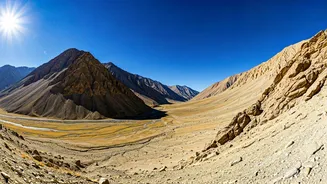
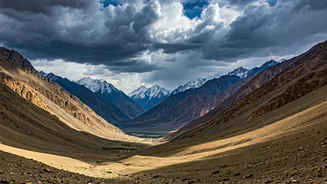
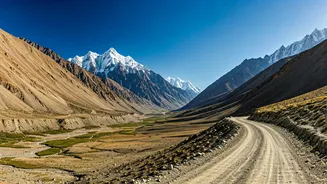
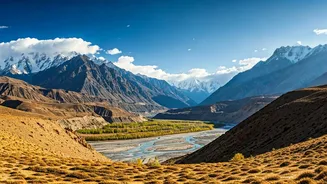
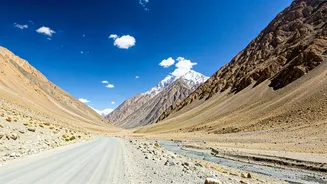
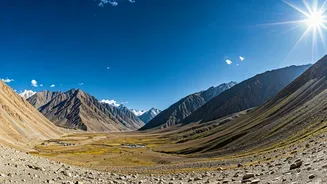
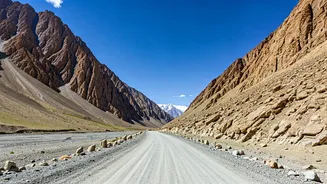
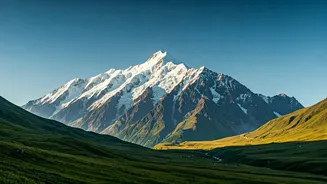
While the rest of the country embraces the rains, Spiti remains famously dry. This is thanks to its unique geographical location in a rain-shadow region. The towering Himalayan ranges, including the Pir Panjal, block most of the monsoon clouds from reaching
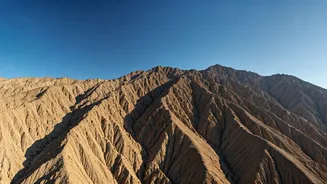
the valley. The result is a high-altitude cold desert that receives minimal rainfall, even in July and August, offering clear blue skies and pleasant daytime temperatures perfect for exploration. This makes it one of the few destinations in India that is actually at its best during the monsoon months, providing a reliable haven for sunshine seekers.
Land of Ancient Monasteries and Starlit Skies
Spiti is not just about the weather; it's a journey into a world that feels suspended in time. The landscape is dotted with ancient Buddhist monasteries, often perched dramatically on cliffsides. Key Monastery, the largest in Spiti, is an iconic sight, a sprawling complex of white-washed walls that seems to grow out of the hillside. Further on, Tabo Monastery, over a thousand years old, is a UNESCO World Heritage site renowned for its stunning murals and serene atmosphere. The high-altitude villages of Komic, Hikkim, and Langza offer a glimpse into the resilient local culture. Hikkim is home to the world's highest post office, where you can send a postcard from the top of the world. As night falls, the clear, unpolluted skies make Spiti a paradise for stargazers, with the Milky Way often visible to the naked eye.
Planning Your High-Altitude Adventure
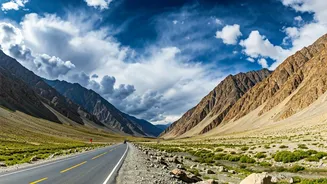
Reaching Spiti is an adventure in itself. There are two main routes. The road from Shimla via Kinnaur is longer but allows for gradual acclimatization to the high altitude, which is crucial for preventing Acute Mountain Sickness (AMS). This route generally remains open for most of the year. The second route is from Manali via the Rohtang and Kunzum passes. This path is shorter and more dramatic but opens only from around June to October and involves a rapid ascent. Many travellers opt for a circuit, entering via Shimla and exiting through Manali to experience both stunning landscapes. A typical trip requires at least 7 to 10 days to do justice to the journey and allow your body to adjust to the altitude.
What to Expect and How to Prepare
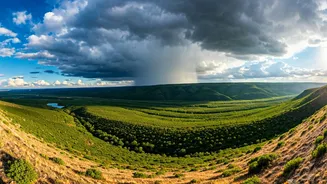
A trip to Spiti requires preparation. While days in July are pleasantly warm, with temperatures ranging from 15°C to 25°C, nights can get cold, so packing layers is essential. Sturdy walking shoes, sun protection (sunglasses, hat, sunscreen), and a light jacket are must-haves. While Spiti itself is dry, the approach roads, especially from the Manali side, can be affected by rain, so a waterproof jacket is a wise addition. Mobile connectivity is sparse, and you should be prepared to be offline for large parts of your journey. Homestays are a popular accommodation choice, offering an authentic experience and a chance to interact with the warm and hospitable local people.