







The Journey Becomes the Destination
Modern travel often prioritises speed, reducing the journey to a mere inconvenience between points A and B. Airports and flight schedules are designed to minimise time spent in transit. Rail travel, however, operates on a different philosophy. It champions
the idea of 'slow travel,' where the journey itself is as significant as the arrival. This approach transforms travel from a frantic checklist of sights into a holistic experience. Instead of arriving in a new city feeling disoriented, the gradual transition allows your mind to adjust. Rolling hills that slowly morph into urban landscapes provide context, making the destination feel earned and understood, not just suddenly reached.
A Window to the Real World
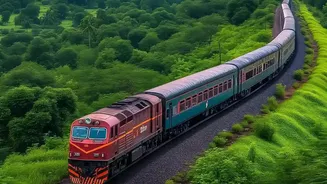
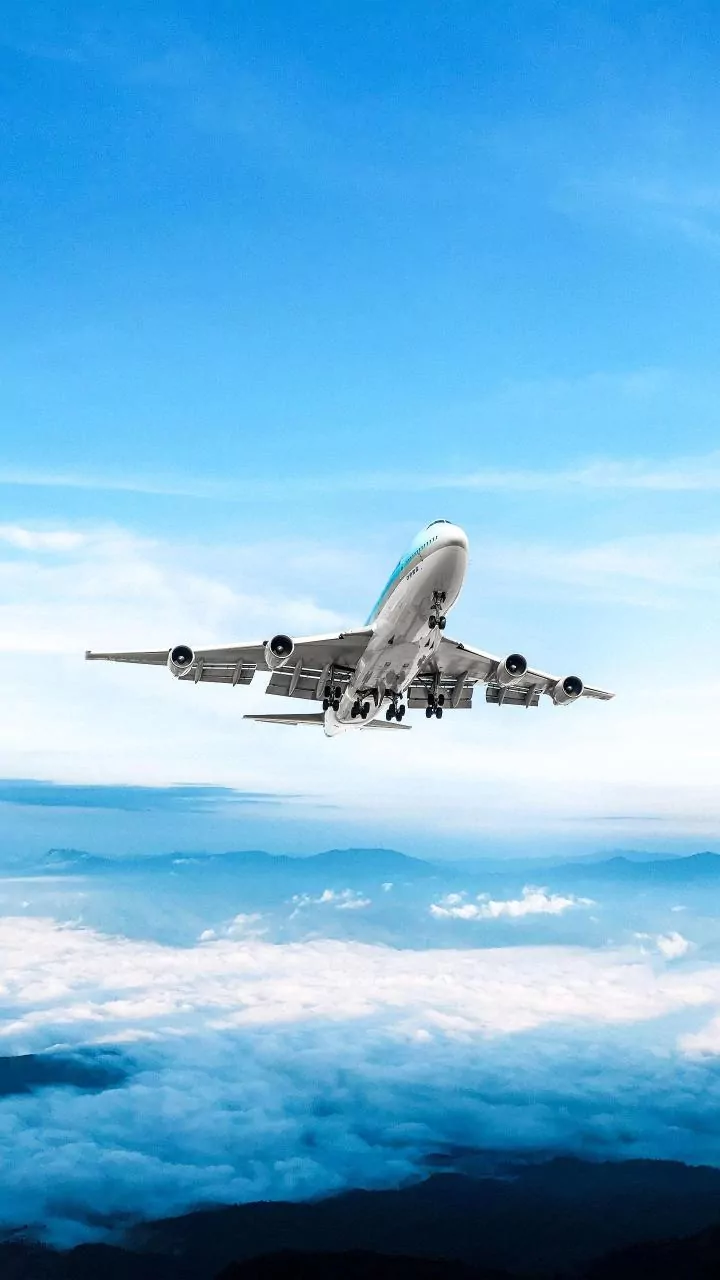
An airplane window offers a view of clouds and sky, but a train window offers a view into the soul of a country. Trains slice through the heart of a landscape, revealing its uncurated backyard. You see children playing, farmers tending to fields, and small towns going about their daily routines—scenes you would never witness from a highway or the sky. This unfiltered perspective provides a much richer, more authentic sense of place. Journeys like Vietnam's Reunification Express, which runs the length of the country, showcase everything from coastal cliffs to rural rice paddies, telling a story of the nation's culture and history mile by mile. It’s an immersive experience that flying simply cannot replicate.
The Psychology of Slowing Down
The steady, rhythmic movement of a train has a uniquely meditative effect. Psychologists note that the continuous visual input from a train window, known as 'optic flow,' can be inherently soothing to the nervous system. This, combined with the lack of stress from airport queues or navigating traffic, creates an environment ripe for reflection and mindfulness. In our hyper-connected lives, the train car becomes a rare sanctuary for uninterrupted time—a space to read, think, or simply watch the world go by without pressure. This mental downtime allows you to arrive at your destination not just physically, but mentally refreshed and more present.
Fostering Unexpected Connections
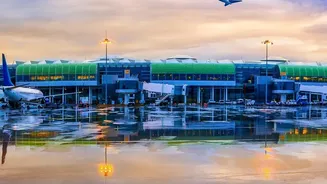
Unlike the siloed experience of driving or the often impersonal nature of air travel, trains create opportunities for spontaneous human connection. The layout of dining cars and seating arrangements encourages conversation with fellow travellers. You might share a table with a local who can offer insider tips or another traveller whose stories broaden your perspective. These chance encounters add a rich, social layer to the journey. Furthermore, arriving at centrally located train stations plunges you directly into the heart of a city, making you feel like a participant in its daily life from the moment you step onto the platform. This immediate immersion is a stark contrast to the isolating experience of landing at a remote airport.